Which Running Shoe Drop Is Best for You? A Simple Guide
The best running shoe drop for most runners is somewhere between 8 and 10 millimeters. That range gives you a solid mix of cushioning and a natural feel. But if you land hard on your heels, a higher drop (10-12 mm) can feel smoother. If you’re a midfoot or forefoot runner, a lower drop (0-6 mm) might suit you better.
Here’s the thing: drop is the height difference between the heel and the toe of your shoe. It affects how your foot strikes the ground and which muscles do the work. We researched what running experts and coaches recommend, and we found that comfort matters more than any magic number. A shoe that feels good on your feet beats a fancy spec sheet every time.
TL;DR — Quick takeaways:
- 8-10 mm is the sweet spot for most everyday runners. Once you know your drop range, our guide to choosing everyday running shoes covers the rest of the fit picture.
- High drop (10-12 mm) is easier on heel strikers and tight calves.
- Low drop (0-6 mm) encourages a more natural stride but takes adjustment time.
- Your running experience and injury history matter more than the number itself.
- Switch drop levels slowly to avoid sore calves and Achilles trouble.
Confused yet? Don’t worry, we’ve got you. Below, we break down everything you need to know about shoe drop, so you can pick the right pair with total confidence.
What Running Shoe Drop Actually Means for Your Stride
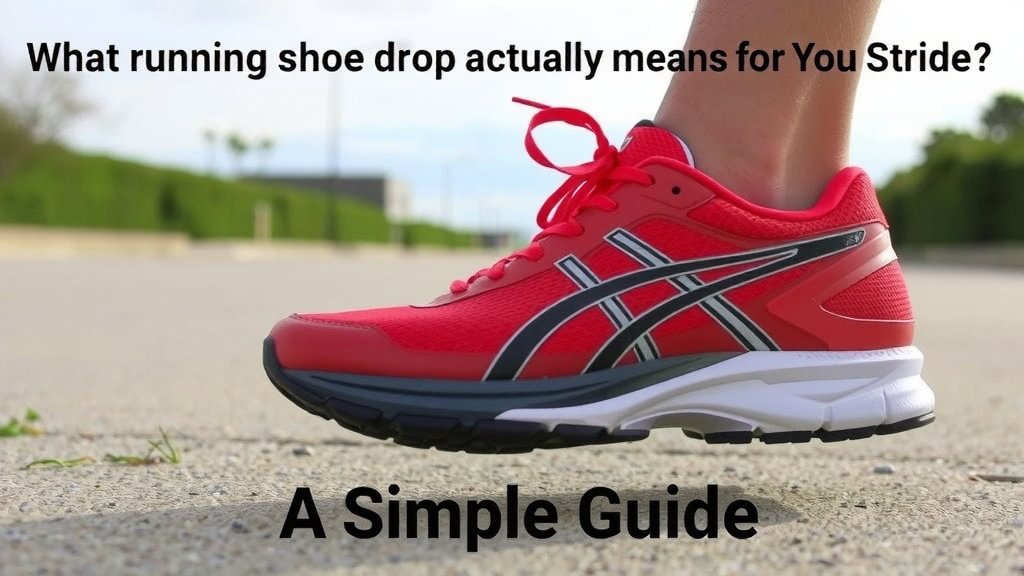
Shoe drop, sometimes called heel-to-toe offset, is the height difference between your heel cushioning and your forefoot cushioning. A shoe with a 10 mm drop means your heel sits 10 millimeters higher than your toes. Simple, right?
Think of it like the heel on a dress shoe versus a flat sandal. The higher the heel, the more your body tilts forward and the less your calves and Achilles have to stretch. Research on running mechanics shows that changing drop can shift where the load lands in your legs (NIH).
Here’s the catch many runners miss: a lower drop doesn’t automatically make you a midfoot striker. Your form comes from habits, not just your shoes. We found that experts consistently warn against expecting a shoe to fix your stride overnight.
High Drop Running Shoes: Who They Help Most
High drop shoes (10-12 mm) are the old faithfuls of running. Most classic trainers sit here, and there’s a reason they’ve stuck around for decades.
Why Heel Strikers Often Love Them
If your heel hits the ground first, a higher drop gives you extra cushioning right where you land. It also shortens the stretch on your Achilles, which means less strain during long runs.
Good Fits and Watch-Outs
Consider a high drop if any of these sound like you:
- You’re a new runner building mileage slowly.
- You have a history of Achilles or calf issues.
- You mostly run on pavement and want max shock absorption.
- You’re coming back from a layoff and want a forgiving ride.
One downside: high drop shoes can encourage overstriding, meaning your foot lands way out in front of your body. That can act like a brake with every step.
Mid Drop Shoes: The Middle-Ground Pick
Mid drop shoes (6-8 mm) sit right in the middle of the debate. They give you a bit of everything without committing to either extreme.
Many coaches suggest this range for runners who want to transition toward a more natural stride without shocking their calves. Think of it as dipping a toe in the water instead of cannonballing in.
They’re also a smart pick if you mix up your runs. Easy miles, tempo days, and weekend long runs all feel pretty natural in this range.
Low Drop and Zero Drop Shoes: The Natural Feel
Low drop (0-6 mm) shoes put your heel and toe nearly level, like standing barefoot. Fans say it encourages a shorter, quicker stride and stronger feet.
The Case for Going Low
Some studies suggest lower drop shoes may increase work in your calves and reduce loading on the knee (NCBI). For runners with cranky knees, that trade can be appealing.
The Risks Nobody Warns You About
Here’s where we get real. Jumping from a 10 mm drop straight to zero is like asking your calves to run a marathon they never trained for.
- Achilles tendinitis is the most common complaint during transitions.
- Calf soreness can linger for weeks if you rush.
- Forefoot pain can show up as your load shifts forward.
Experts generally recommend transitioning over several months, wearing low drop shoes just once or twice a week at first (Cleveland Clinic).
Quick Comparison: Drop Ranges at a Glance
| Drop Range | Best For | Watch Out For |
|---|---|---|
| 0-4 mm (zero/low) | Midfoot strikers, stronger feet, natural feel | Calf and Achilles strain if you transition fast |
| 5-8 mm (mid) | Mixed training, gradual transitions | Less cushioning under the heel |
| 9-12 mm (high) | Heel strikers, beginners, tight calves | Can encourage overstriding |
How Your Foot Strike Shapes Your Ideal Drop
Your foot strike is simply which part of your foot lands first. Heel, midfoot, or forefoot. It’s not good or bad, it’s just information.
Matching Drop to Your Strike
Heel strikers often feel best with more drop, since the extra heel foam matches their landing pattern. Midfoot and forefoot runners usually prefer less drop because they don’t need that heel stack.
Simple Ways to Check Your Strike
- Look at the wear pattern on an old pair of shoes.
- Ask a friend to film you running for 30 seconds.
- Visit a running store for a free gait analysis.
Injury History Matters More Than the Millimeters
We found that this is the part most shoppers skip, and it’s the part that matters most. Your injury history should guide your choice more than any chart.
Dealing with Achilles trouble or tight calves? Higher drop takes load off that area. Sore knees or hips? Some runners report feeling better in lower drop shoes, though the evidence is mixed (Mayo Clinic).
Never run through sharp pain to hit a trend. Shoes are tools, not therapy.
How to Switch Drop Levels Without Getting Hurt
If you’re changing drop, slow and boring wins the race. Your tendons need far more time to adjust than your muscles do.
Your Transition Checklist
- Rotate shoes — wear your old pair on most runs at first.
- Start short — use the new drop for one easy run per week.
- Add gradually — increase new-shoe mileage by about 10% weekly.
- Stretch daily — gentle calf stretches help your Achilles adjust.
- Listen up — back off if your calves or Achilles feel tight.
- Keep two pairs — overlap old and new shoes for at least a month.
Do You Even Need to Change Your Drop?
Honest answer? Maybe not. If your current shoes feel good and you’re running pain-free, that’s your answer right there.
Changing drop is a tool for solving a problem, not a box to check. Chasing specs because an influencer said so is how runners end up on the couch with ice packs.
Many experts say the best shoe is the one you forget you’re wearing. If that’s already in your closet, celebrate and keep running.
Common Drop Myths That Need to Retire
Let’s clear up a few rumors we kept running into during our research.
- Myth: Lower drop automatically fixes your running form. Reality: form changes come from practice and drills, not foam geometry.
- Myth: High drop shoes cause injuries. Reality: no single drop level is proven to prevent or cause all injuries.
- Myth: Zero drop means no cushioning. Reality: plenty of zero drop shoes have thick, plush midsoles.
- Myth: You need a different drop for every run type. Reality: many runners thrive on one versatile pair.
The bottom line on myths: your legs are the lab. Test, observe, and decide based on how your body responds.
Conclusion
Finding the best running shoe drop comes down to you, not the spec sheet. Most runners land happily in the 8-10 mm range, but heel strikers and tight calves often prefer more drop. Runners chasing a natural feel may do better with less. Your foot strike and injury history should drive the decision, not trends. And if you switch drop levels, take it slow. Your calves will thank you. We found that comfort beats numbers every single time. Your next step? Check the drop on your current shoes, note how your body feels after runs, and let that guide your next purchase. If you’re pain-free, you’ve already found your answer.
Frequently Asked Questions
Does shoe drop affect running speed?
Not directly. Some racers prefer lower drop shoes for a snappier feel, but the difference is small for most everyday runners. Consistent training will do far more for your pace than a few millimeters of foam.
Can I run in two different drop shoes at the same time?
Yes, and many runners do it without issues. Rotating pairs can actually help your legs handle varied loads. Just make sure both shoes feel comfortable before you commit to longer runs in either one.
Is zero drop bad for your knees?
Not inherently. Some research suggests lower drop shoes may shift load away from the knees and toward the calves and Achilles. If your knees feel great and your calves complain, that’s a sign the drop isn’t right for you yet.
Does shoe drop matter for walking shoes too?
Less than it does for running. Walking puts far less impact on your legs, so most people can wear any drop comfortably. Pick based on feel and fit rather than worrying about the number on the label.
What drop do marathon runners use?
It varies a lot. Many marathoners race in lower drop shoes for a lighter, faster feel, but others stick with their trusted higher drop trainers. The smart move is doing your long runs in whatever drop you plan to race in.