The Most Durable Running Shoes That Actually Last Longest
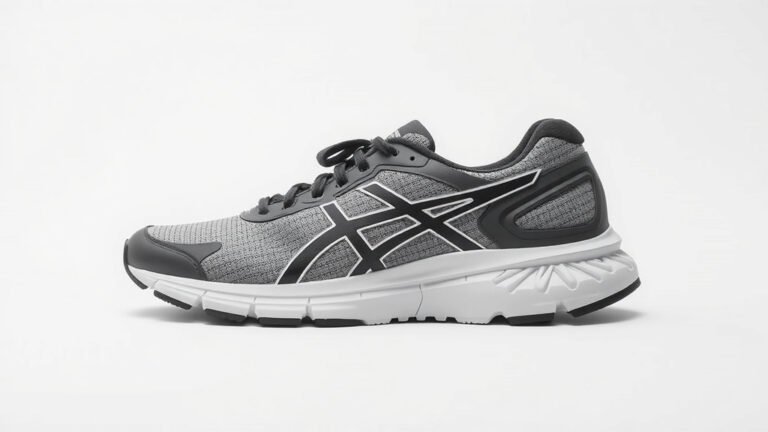
Most running shoes last between 300 and 500 miles, and the ones that last the longest tend to be durable trainer models like the Asics Gel-Kayano, Brooks Ghost, and New Balance 880. If you want shoes that go the distance, the keyword here is durability, not flashy race-day speed. We researched what runners and experts say, and those steady daily trainers consistently come out on top.
Why does this matter? Because worn-out shoes can lead to achy knees, sore feet, and even injuries. The good news is that a few smart choices, like picking the right model and rotating pairs, can add serious miles to your shoe’s life. We found that how you treat your shoes matters just as much as which ones you buy.
- Most running shoes last 300 to 500 miles, or roughly 4 to 6 months for regular runners.
- Durable daily trainers, not lightweight racers, tend to last the longest.
- Rotating between two pairs can help both pairs last longer. Our guide to building a shoe rotation shows which pairs to include.
- Watch for worn-out soles, flat cushioning, and new aches as signs it’s time to replace them.
- Simple habits, like drying shoes properly and using them only for running, stretch their lifespan.
Below, we break down everything you need to know about which running shoes last the longest, from top picks to easy tips that help you get the most out of every pair. Let’s lace up and dig in.
Running Shoes Built to Go the Distance
The longest-lasting running shoes are durable daily trainers, not lightweight racers. Models like the Asics Gel-Kayano, Brooks Ghost, and New Balance 880 show up again and again in runner surveys as pairs that push past 500 miles (Runner’s World wear-test reports).
Why do these shoes outlast others? They use sturdier foam, tougher rubber outsoles, and simpler designs. Racers trade durability for speed, so they wear out fast. Curious how long carbon plate shoes last? We break down their lifespan in detail.
Long-Lasting Shoe Models Runners Keep Buying
We researched what loyal runners say, and a clear pattern emerged. These shoes keep earning repeat buyers because they hold up mile after mile.
| Shoe Model | Why It Lasts | Best For |
|---|---|---|
| Asics Gel-Kayano | Thick cushioning and a firm, supportive build | Heavier strikers and daily miles |
| Brooks Ghost | Balanced foam and a full rubber outsole | Neutral runners who want one do-it-all pair |
| New Balance 880 | Simple design with fewer parts to break down | Steady everyday training |
| Saucony Triumph | Plush midsole foam that resists flattening | Comfort-focused long runs |
| Hoka Clifton | Chunky foam that stays lively for months | Soft-riding daily runs |
Notice a theme? None of these are race-day rockets. Durability and speed rarely share a shoe.
What Makes a Shoe Durable in the First Place
Three parts decide how long a shoe survives: the foam, the outsole, and the upper. Once you know what to look for, picking a long-lasting pair gets much easier.
Midsole Foam Matters Most
The midsole is the squishy layer between your foot and the ground. Every step compresses it a little. Softer, bouncier foams feel amazing at first but often flatten faster. Firmer foams keep their shape longer.
Think of it like a mattress. The plush one feels dreamy on night one. The firm one still supports you two years later.
Outsoles and Uppers
Look for full-coverage rubber outsoles instead of exposed foam. Exposed foam wears down quickly, especially on sidewalks. A tight woven upper also resists stretching and tearing better than thin mesh.
How Many Miles Should Running Shoes Last?
Most experts recommend replacing running shoes every 300 to 500 miles (Cleveland Clinic). That range is wide because your weight, gait, and surfaces all play a role. A 180-pound runner on rough pavement burns through shoes faster than a lighter runner on trails.
Here’s a quick way to estimate your timeline:
- 20 miles a week: replace every 4 to 6 months
- 30 miles a week: replace every 3 to 4 months
- 40+ miles a week: replace every 2 to 3 months
Regulars at running shops often mark the purchase date on the shoe tag. It sounds nerdy. It works.
Signs Your Shoes Are Done, Even If They Look Fine
Mileage is only half the story. We found that many runners replace shoes too late because they judge by looks alone. The outside can look perfect while the inside cushioning is dead.
- New aches in your knees, hips, or shins after normal runs
- The midsole feels flat or hardened under your thumb
- The outsole tread is worn smooth or unevenly
- Your shoe leans noticeably to one side on a flat table
- The midsole has deep creases or wrinkles you can see
Running on dead shoes is a recipe for overuse injuries, and researchers have long linked worn footwear to added stress on joints (NIH/NCBI studies on running injury risk). Don’t wait for the sole to fall off. Your knees will thank you.
Smart Habits That Stretch Your Shoe’s Lifespan
How you treat your shoes matters as much as which pair you buy. These habits cost nothing and can add 50 to 100 miles to a shoe’s life.
Rotate Between Two Pairs
Here’s a trick seasoned runners swear by: rotate two pairs. Foam needs about 24 to 48 hours to fully decompress after a run. Alternating pairs gives each one time to bounce back.
Some experts also believe rotating reduces injury risk by varying the load on your legs slightly each day (Cleveland Clinic). Bonus: when one pair dies, the other is ready to step in. Literally.
Keep Your Shoes for Running Only
Wearing your running shoes to mow the lawn, run errands, or walk the dog adds wear with zero benefit. We found that runners who keep a strict “running only” rule simply get more miles. Treat them like a race car, not a daily driver.
Dry Them the Right Way
Never toss wet shoes in the dryer or place them on a radiator. High heat breaks down foam and can warp the shoe’s shape. Instead, pull out the insoles, loosen the laces, and let them air dry at room temperature. Stuffing them with newspaper speeds things up.
Small Care Checklist
- Untie your laces instead of kicking shoes off
- Wash by hand with mild soap, never in the machine
- Store shoes away from direct sunlight and heat
- Log your mileage with a free running app
- Buy a new pair slightly before the old one dies

Are Expensive Shoes More Durable?
Not always. Price often reflects marketing and materials aimed at performance, not longevity. Plenty of mid-priced trainers outlast flashy $250 models. What matters is the build quality: full rubber outsoles, proven foam, and a simple design. Read reviews from long-term users rather than first-run impressions. The shoe that gets 400 glowing miles from a marathoner might only be impressive because it was only asked to last 26.2.
When to Buy Your Next Pair
Don’t wait until your current shoes fail. Buy a new pair when your old ones hit around 400 miles, then rotate them in gradually. That way, you never run on dead cushioning, and you never break in a brand-new pair on race day. Your feet like a plan. So does your wallet, especially when you snag the outgoing colorway on sale.
Conclusion
If you want shoes that last the longest, skip the flashy racers and grab a durable daily trainer like the Brooks Ghost or Asics Gel-Kayano. We found that build quality matters more than price, and your habits matter just as much as your purchase. Rotate two pairs, keep them for runs only, and dry them properly. Those small moves can add 50 to 100 miles to every pair you own. Most importantly, don’t run on dead cushioning. Check your mileage today, and if you’re pushing past 400 miles, start shopping for your next pair now.
Frequently Asked Questions
Do walking shoes last longer than running shoes?
Usually, yes. Walking puts less force on the foam with every step, so the cushioning breaks down more slowly. A walking shoe can often handle 500 to 700 miles before it needs replacing.
Can I still run in shoes with 500+ miles if they feel okay?
You can, but we’d caution against it. Foam loses its shock absorption long before it looks worn, and that’s when aches and injuries sneak in. If you’re past 500 miles, it’s smarter to retire them from running and keep them for casual wear.
Do trail running shoes last longer than road shoes?
Not necessarily. Trail shoes use tougher outsoles that resist rocks and roots, but the rugged terrain chews through midsoles faster. On a per-mile basis, most trail pairs wear out at a similar rate to road shoes.
Is it bad to buy running shoes and store them for later?
A little storage is fine, but foam ages even sitting in a box. We found that midsole materials slowly lose their bounce over a few years, so avoid hoarding multiple pairs. Buy shoes when you’ll actually run in them within a few months.
How do I track the miles on my running shoes?
The easiest way is a free app like Strava or Garmin Connect, which lets you tag gear and count miles automatically. No app? Write the purchase date on the shoe’s tongue tag or insole with a marker. Either method keeps you honest.