Choosing Your Running Shoe Drop: A Simple Guide
Picking the right running shoe drop is simpler than you might think. The best shoe drop for you depends on your running style and personal comfort. Generally, a lower drop (0-6mm) is great for a natural feel, while a higher drop (8-12mm) offers more cushioning for many runners. It’s all about finding what feels best for your feet.
Shoe drop, often called heel-to-toe drop, refers to the height difference between the heel and the forefoot. While there’s no single “right” answer for everyone, understanding your foot strike and how you want your shoes to feel can guide your choice. Many runners find success by simply trying different options.
- Shoe drop is the heel-to-toe height difference.
- Lower drops (0-6mm) feel more natural.
- Higher drops (8-12mm) often offer more cushioning.
- Your foot strike and comfort are key factors.
- Experiment to find what works best for you.
Let’s break down how to choose the perfect running shoe drop for your runs. We’ll cover what it means and how to make the right pick.
Understanding Running Shoe Drop for Your Stride
So, what exactly is this “drop” we’re talking about, and why should you care? Think of it like the ramp on a skateboard park. The heel-to-toe drop is the difference in height between the back of the shoe (the heel) and the front of the shoe (the forefoot). It’s usually measured in millimeters (mm).
Why does this matter? Well, it can affect how your foot lands and rolls through your stride. Many running experts suggest that a lower drop can encourage a more natural foot strike, possibly closer to your midfoot or forefoot. A higher drop, on the other hand, might encourage a heel strike and can feel more cushioned for some.
How Does Drop Influence Your Running Form?
Researchers have studied how shoe drop affects biomechanics. Some studies suggest that a lower drop (like 4mm or less) can lead to a shorter stride length and increased ankle movement. This might feel more like running barefoot, allowing your foot to absorb shock more naturally (NCBI).
Conversely, a higher drop (think 10mm or more) may put less stress on your calf muscles and Achilles tendon, as the heel is already elevated. This can be a welcome relief for runners who experience discomfort in these areas. Many marathon runners, for instance, have historically gravitated towards shoes with a bit more drop for comfort over long distances.
Different Drops for Different Folks: What the Research Says
There isn’t a one-size-fits-all answer when it comes to shoe drop. What works wonders for your running buddy might not feel right for you. We found that personal preference and your body’s natural mechanics play a huge role.
The Natural Feel: Low Drop Shoes (0-6mm)
If you naturally land on your midfoot or forefoot, you might find that a low drop shoe feels incredibly intuitive. It allows your foot to function more as it’s designed to. Many runners who transition to a lower drop report feeling a stronger connection to the ground and a more powerful push-off. It’s often recommended for runners looking to mimic a more natural running style.
The Cushioned Ride: High Drop Shoes (8-12mm+)
For those who tend to land on their heels or simply prefer a plush feel, a high drop shoe can be a fantastic choice. The extra height in the heel can absorb some of the impact, potentially reducing stress on your knees and hips. If you’re new to running or have a history of impact-related injuries, a higher drop might offer a gentler introduction.
The Middle Ground: Mid-Drop Shoes (6-8mm)
This range offers a balance between the two. A mid-drop shoe can provide a comfortable level of cushioning without drastically altering your natural stride. Many runners find this range to be a good starting point, especially if they are unsure about their preferred drop or are transitioning from a different shoe type.
Key Factors to Consider When Choosing Your Drop
Okay, so you’ve got the basics. Now, let’s talk about how to put this knowledge to work for *you*. Your body is your best guide here, so pay attention to what it’s telling you.
Your Foot Strike Pattern
This is probably the most talked-about factor. Do you tend to land on your heel, your midfoot, or your forefoot? You can often tell by looking at the wear patterns on your old running shoes. If the heel is significantly worn down, you’re likely a heel striker. If the ball of your foot shows the most wear, you’re probably a forefoot runner. Knowing this can steer you toward a drop that complements your natural motion.
Comfort and Injury History
This is non-negotiable. Does a shoe feel good? Does it make your runs more enjoyable? If you’ve had issues with plantar fasciitis, Achilles tendinitis, or calf pain, we found that experimenting with different drops can be helpful. Some research suggests that higher drops might alleviate stress on the Achilles tendon (Cleveland Clinic). However, others find that lower drops help strengthen their lower legs and feet.
Running Goals and Surfaces
Are you training for a marathon on paved roads? Or are you hitting the trails for some off-road adventures? For longer distances on hard surfaces, many runners find that a bit more cushioning from a higher drop is beneficial. For trails, where you might need more ground feel and agility, a lower drop could offer better stability and control. Consider your terrain, whether you’re hitting paved roads or running trails, as it can influence your drop choice.
Transitioning to a New Drop
If you’re switching to a significantly different drop, do it gradually. Your body needs time to adjust. A sudden leap from a 12mm drop to a 0mm drop can be jarring. Try incorporating shorter runs in the new shoes first. This helps prevent overuse injuries. Most running shoe brands offer models across a range of drops, making this transition easier.
| Drop Range (mm) | Typical Feel | May Suit |
|---|---|---|
| 0-4 | Very natural, ground-feel | Midfoot/forefoot strikers, barefoot runners, trail runners |
| 4-8 | Balanced, natural-leaning | Most runners, good transition option |
| 8-12+ | Cushioned, heel-friendly | Heel strikers, runners seeking impact reduction, long-distance road runners |
Your Checklist for Finding the Right Drop
Ready to find your perfect match? Here’s a quick guide to help you make the right choice:
- Check old shoes: Look at wear patterns to understand your foot strike.
- Consider comfort: Prioritize how the shoe feels on your foot.
- Think about injuries: If you have specific pain points, explore different drops.
- Listen to your body: Pay attention during and after your runs.
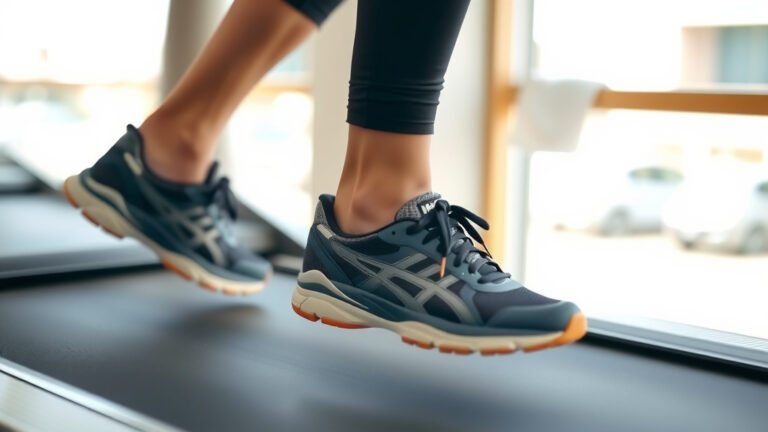
- Try them out: If possible, test different drops on a treadmill or short run.
- Be patient: Allow your body time to adjust to a new drop.
Conclusion
Finding the right running shoe drop is about tuning into your body’s natural rhythm. We found that understanding your foot strike, considering past injuries, and prioritizing comfort are your best guides. Whether you lean towards a lower drop for a natural feel or a higher drop for extra cushioning, the key is experimentation. Don’t be afraid to try different options and listen to how your feet respond.
Your next step is to look at your current running shoes for wear patterns and then head to a running store to try on a few pairs with different drops. This hands-on approach will help you discover the perfect fit for your stride and make your runs more enjoyable.
Frequently Asked Questions
How do I know if I’m a heel striker or a forefoot striker?
Look at the wear pattern on your old running shoes. If the heel of the sole is heavily worn, you’re likely a heel striker. If the forefoot or ball of your foot area shows the most wear, you’re probably a forefoot runner. This can help you decide if a higher or lower drop might suit you better.
Can I switch from a high drop shoe to a low drop shoe quickly?
It’s best to transition gradually. Jumping from a high drop to a very low drop can put stress on your calves and Achilles tendon. Try incorporating shorter runs in your new low-drop shoes first, and gradually increase the mileage as your body adapts.
What if I have plantar fasciitis? Which drop is best?
If you experience plantar fasciitis, comfort is key. Some runners find relief with a higher drop that offers more cushioning and support for the heel. Others may find a lower drop encourages better foot mechanics over time. It’s often recommended to consult with a physical therapist or podiatrist for personalized advice.
Does shoe drop affect running speed?
While shoe drop can influence your stride mechanics, it doesn’t directly dictate speed for most runners. Your training, fitness level, and running technique play a much larger role. Some studies suggest lower drops may encourage a quicker cadence, but personal comfort and injury prevention are more important factors for sustained performance.
Is there a best shoe drop for beginners?
For beginners, a mid-range drop (around 6-8mm) is often a good starting point. This offers a balance of cushioning and a relatively natural feel without requiring a drastic change in your stride. Trying on shoes with different drops and seeing what feels most comfortable is the most reliable way to find your best option.