Understanding the Natural Running Movement: A Guide
The natural running movement is a way of running that focuses on how your body moves. It’s all about using your body’s natural mechanics. This approach aims to make running feel more effortless and potentially reduce injuries.
Think of it as running the way your body was designed to. Many runners find it helps them feel more connected to their stride. Research and running coaches often point to benefits like improved efficiency and a gentler impact on your joints. It’s a shift from what might feel forced to what feels fluid.
- It’s a running style focused on natural body mechanics.
- The goal is to make running feel more efficient and less jarring.
- It often involves changes to your posture and foot strike.
- Many runners report fewer aches and pains.
Ready to learn more about how this style works and if it might be right for you? Let’s dive into what makes natural running different.
“`htmlUnderstanding the Natural Running Philosophy
So, what exactly is this natural running movement? At its heart, it’s about returning to a more primal way of moving. Think about how children run. They tend to land on the ball of their foot. Their posture is upright. Their arms swing freely. This approach suggests our bodies are naturally built for this kind of efficient motion.
It’s less about a rigid set of rules and more about listening to your body. The goal is to minimize wasted energy. It aims to make your stride feel smoother. Many runners report that it feels more like flying than pounding the pavement. It encourages you to work with your body, not against it.
Key Principles of Natural Running
While it’s a philosophy, there are several common threads. These elements often work together to create a more efficient and enjoyable running experience.
Posture: Standing Tall
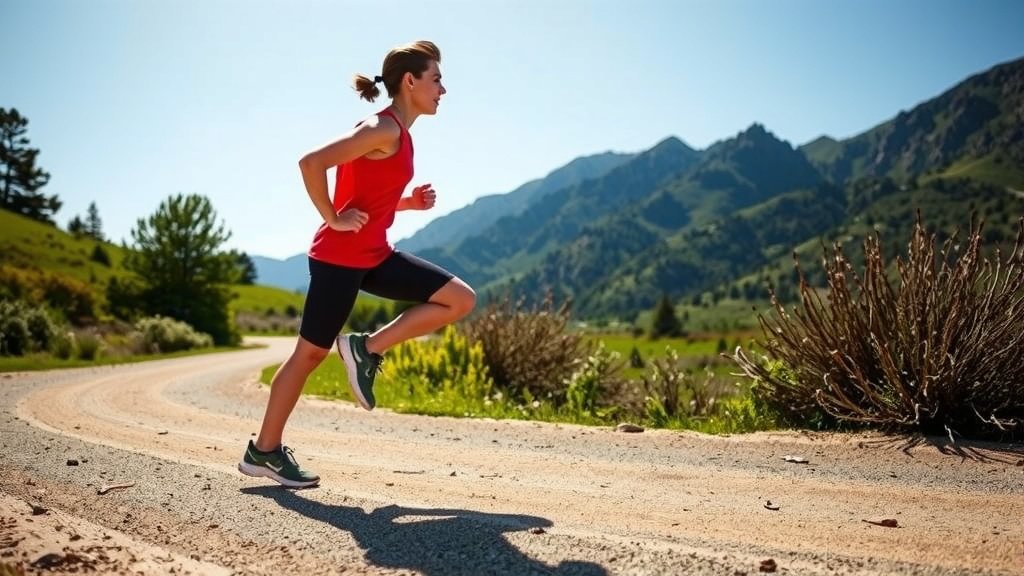
Imagine you’re a puppet. A string is gently pulling you up from the crown of your head. That’s the posture we’re aiming for. You want to feel tall and aligned. Your shoulders should be relaxed, not hunched. Your head should be held high, looking forward. This upright stance allows your body to function optimally.
Avoid leaning too far forward from the waist. This can put undue stress on your lower back. It also hinders your ability to use gravity effectively. Research suggests good posture can improve breathing and reduce muscle fatigue (CDC).
Foot Strike: Landing Softly
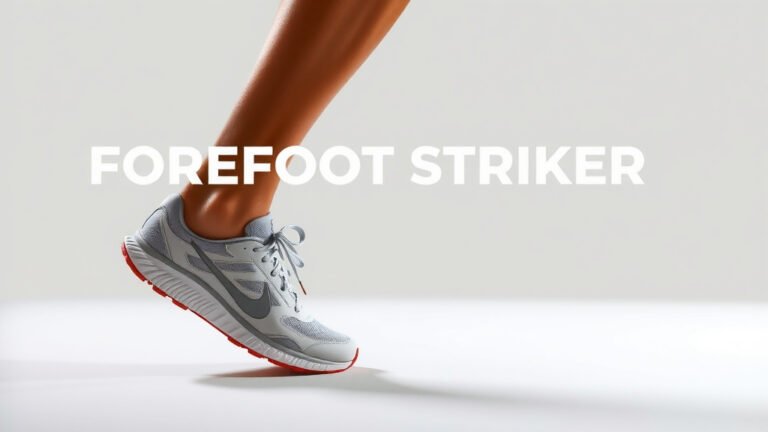
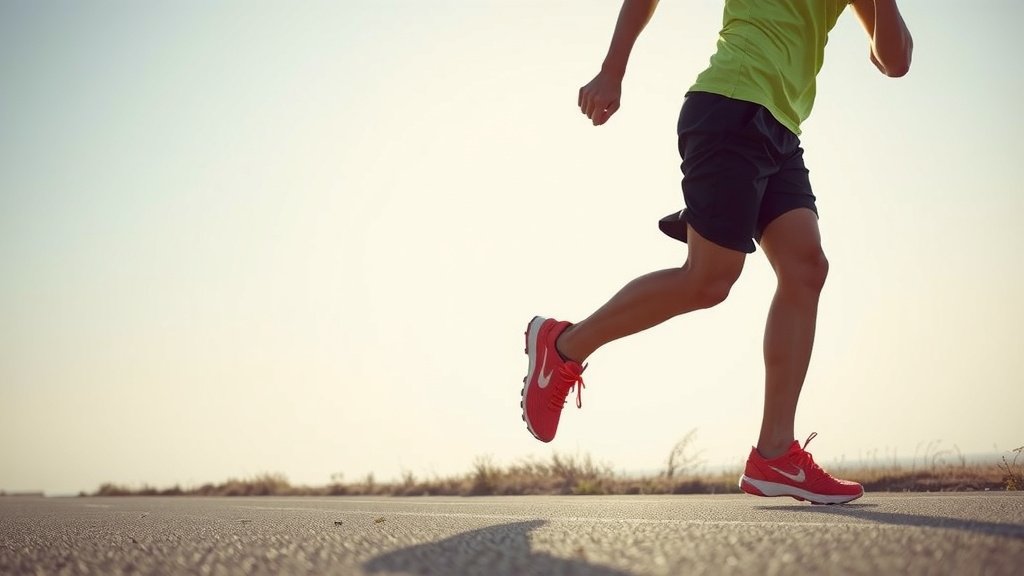
This is often the most talked-about aspect. Many traditional approaches teach runners to land heel-first. Natural running often encourages landing more towards the midfoot or forefoot. Think of it like landing on springs. You want to absorb the impact lightly.
The idea is to land your foot underneath your body. This helps distribute the impact forces more evenly. Landing on your heel can send a shockwave up your leg. It’s like hitting the brakes with every step. Landing softly under your center of gravity feels much more natural.
It’s important to note that this isn’t about forcing a forefoot strike. It’s about letting your body find its natural landing spot when you run with good posture and cadence. Some experts say this can lead to less jarring impact on your joints.
Cadence: Finding Your Rhythm
Cadence refers to your step rate – the number of steps you take per minute. Natural running often advocates for a slightly higher cadence. Think around 170-180 steps per minute, though this can vary. A higher cadence means your feet spend less time on the ground.
When your feet are on the ground for shorter durations, you naturally tend to land closer to your center of gravity. This often correlates with that softer, midfoot strike. It’s like finding a fast, light rhythm. It feels less like a heavy stomp.
Many runners find that increasing their cadence helps them avoid overstriding. Overstriding is when your foot lands out in front of your body. This can be a major source of injury and inefficiency. Research has shown that increasing cadence can reduce peak impact forces during running (NCBI).
Arm Swing: Driving Forward
Your arms aren’t just along for the ride. They play a key role in your running momentum. In natural running, your arms tend to swing forward and back, not across your body. Think of them as helping to propel you forward.
Keep your elbows bent at around 90 degrees. Your hands should be relaxed, not clenched fists. A loose, forward-driving arm swing helps balance your body. It can also contribute to a more efficient stride. It’s a subtle detail, but it adds up.
Comparing Natural Running to Traditional Styles
It’s helpful to see how this approach differs from what many runners are taught initially. Here’s a simple breakdown:
| Feature | Traditional Running | Natural Running |
|---|---|---|
| Posture | Often leaning forward from the waist. | Upright, “tall” posture, pulled up from the head. |
| Foot Strike | Often encourages heel-striking. | Encourages midfoot/forefoot strike, landing under the body. |
| Cadence | Can be lower, leading to longer strides. | Often higher (170-180+ steps/min) for shorter ground contact time. |
| Arm Swing | Can be across the body or less emphasized. | Forward and backward swing, aiding propulsion and balance. |
| Goal | Often focuses on distance or speed first. | Focuses on efficient, injury-resistant movement. |
Potential Benefits You Might Notice
Many runners who adopt natural running principles report a host of positive changes. These aren’t guaranteed, of course, but they are commonly cited.
- Reduced Injuries: By landing more softly and under your body, you can reduce impact stress. Many experts believe this can lead to fewer common running ailments like shin splints or knee pain (Mayo Clinic).
- Improved Efficiency: When your body moves in a more coordinated and aligned way, you use less energy. This can make your runs feel easier. You might find you can run longer or faster with the same effort.
- Greater Enjoyment: Running can simply feel more fluid and fun. When you’re not fighting against your own mechanics, the experience can be much more pleasant.
- Better Body Awareness: This style often makes you more attuned to how your body feels as you run. You start to notice subtle shifts. This awareness can help you make adjustments on the fly.
Making the Transition: What to Consider
If you’re intrigued, the transition should be gradual. Trying to change everything overnight can lead to new problems. Here’s a simple checklist to keep in mind:
- Start Slowly: Don’t switch your entire running routine immediately.
- Focus on Posture: Feel yourself standing tall when you run.
- Listen to Your Feet: Aim to land softly under your hips.
- Gradually Increase Cadence: Try a few extra steps per minute.
- Be Patient: It takes time for your body to adapt.
- Consider Guidance: A coach can offer personalized advice.
Conclusion
You’ve learned that the natural running movement is all about running with your body’s built-in efficiency. It encourages you to stand tall, land softly under your center of gravity, find a comfortable rhythm with your steps, and use a natural arm swing. By embracing these principles, many runners discover a more enjoyable, less injury-prone way to hit the pavement. Ready to give it a try? Start by focusing on your posture on your next run and see how it feels.
Frequently Asked Questions
Will natural running help me avoid injuries?
Many runners report fewer injuries by adopting natural running. The focus on landing softly and under your body can reduce impact stress. Research suggests this may help prevent common issues like shin splints and knee pain.
Do I have to change my shoes for natural running?
Not necessarily. While some natural runners prefer minimalist shoes, the movement is more about your running form than your footwear. You can practice natural running principles in most types of running shoes. If you’re considering minimalist shoes, our guide on how to strengthen your feet is a great resource.
How quickly can I transition to natural running?
A gradual transition is best. Trying to change everything at once can lead to new strains. Focus on one principle at a time, like posture, and slowly incorporate others over several weeks.
Is natural running the same as barefoot running?
They are related but not the same. Natural running emphasizes efficient biomechanics, which can be practiced with or without shoes. Barefoot running is simply running without shoes, and often incorporates natural running principles.
What if I can’t land on my midfoot naturally?
Don’t force it. The goal is to land softly and under your body. With improved posture and cadence, your foot strike may naturally shift. Listen to your body and aim for a lighter landing rather than a specific foot strike.