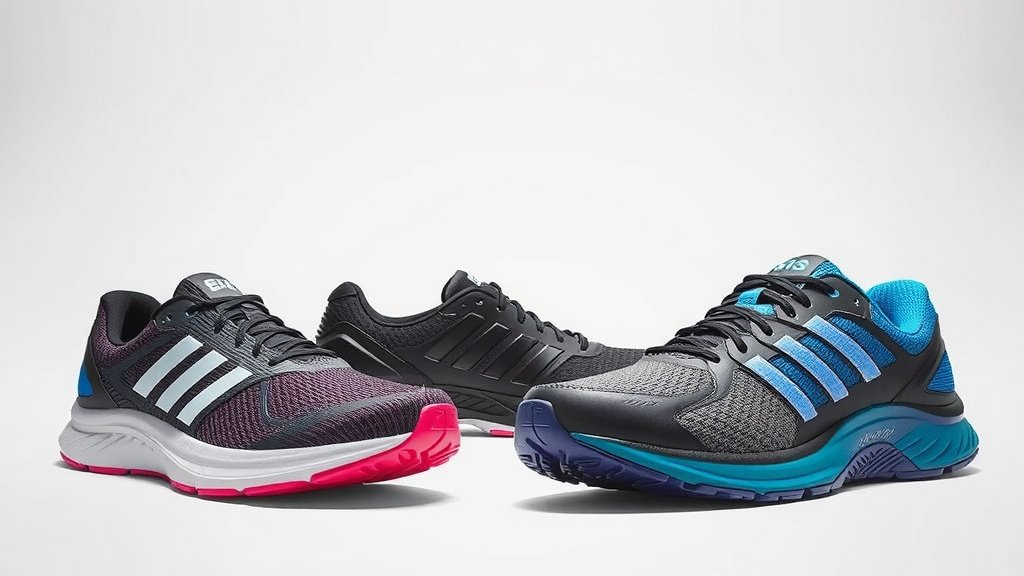
Daily Trainer vs Tempo vs Racer: Which Running Shoe is Best
Choosing the right running shoe can feel like deciphering a secret code. For everyday runs, a daily trainer is your workhorse, offering comfort and durability. A tempo shoe is lighter and firmer for faster training days, while a Our guide to choosing running shoes by pace explains how tempo shoes fit into your speed training.racer is your go-to for race day, prioritizing speed above all else. Each serves a distinct purpose in your running journey.
Understanding these differences helps you pick the perfect shoe for every run. A daily trainer supports you mile after mile. Tempo shoes help you pick up the pace without added fatigue. Racers give you that extra edge when every second counts. It’s about matching your shoe to your workout and your goals.
- Daily trainers are for everyday comfort and durability.
- Tempo shoes are lighter and firmer for faster workouts.
- Racers are the lightest for maximum speed on race day.
- Choosing correctly helps prevent injury and improves performance.
Let’s break down exactly what makes each type of shoe unique and how to choose the best one for your running needs.
Understanding Your Running Shoe Options
Knowing the difference between your running shoes helps you make the best choice. You’ve got daily trainers, tempo shoes, and racing flats. Each has a unique job.
The Daily Trainer: Your Reliable Workhorse
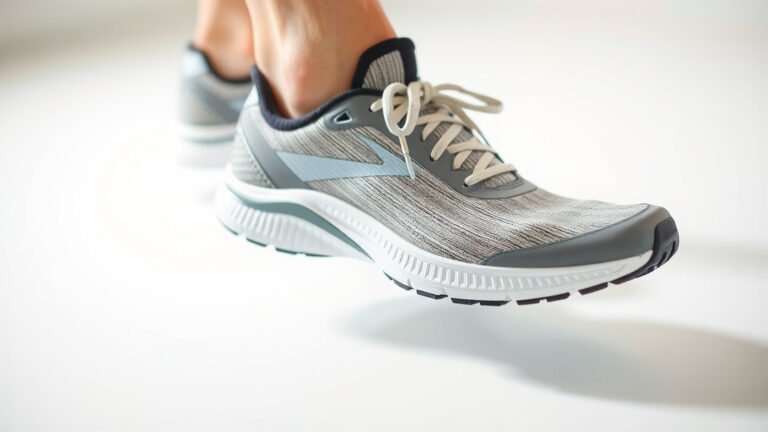
Think of your daily trainer as the trusty car you use for everything. It’s built for comfort and durability on your everyday runs. This shoe is your go-to for the bulk of your training mileage. You want it to feel good for miles and miles.
What Makes a Daily Trainer Different?
Daily trainers usually have a good amount of cushioning. This padding helps absorb impact. It makes long runs feel more comfortable. They are also quite durable. This means they can handle a lot of wear and tear. You won’t need to replace them too often.
You’ll find they have a moderate weight. They aren’t the lightest shoes, but they aren’t heavy either. The flexibility is usually moderate. They offer a good balance of support and responsiveness. Many runners find their sweet spot in a daily trainer.
Who Needs a Daily Trainer?
Almost every runner can benefit from a daily trainer. If you run multiple times a week, this is likely your primary shoe. Beginners will appreciate the comfort and support. Experienced runners use them for easy runs and recovery runs. They are the foundation of most running shoe rotations.
The Tempo Shoe: For Picking Up the Pace
When you want to run a bit faster, a tempo shoe comes into play. These are designed for your speed workouts and tempo runs. They help you feel quicker without feeling beat up.
Key Features of Tempo Shoes
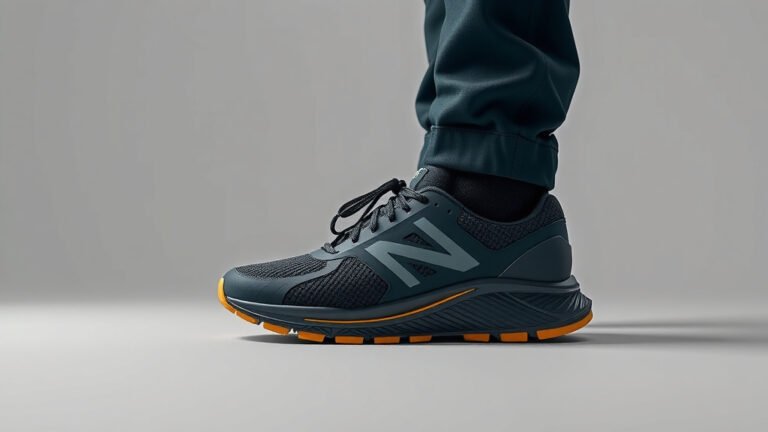
Tempo shoes are generally lighter and firmer than daily trainers. They have less cushioning, which makes them feel more responsive. This firmer feel helps you push off the ground more efficiently. You get a snappier ride.
They often have a more streamlined design. This helps reduce weight and improve aerodynamics. Some may feature a slight rock in the sole. This can help guide your foot forward smoothly. The goal is to make faster running feel easier and more efficient.
When to Lace Up Tempo Shoes
These shoes are perfect for interval training. They are also great for tempo runs, where you hold a comfortably hard pace. If you’re doing a 5k or 10k race and want a bit more speed than your daily trainer offers, a tempo shoe can be a good choice. They offer a bridge between your everyday shoe and your race day shoe.
The Racer: Built for Speed Day
Then there are the racing shoes. These are your sprits, your cheetahs, your rockets. They are built for one thing: speed. You’ll notice a big difference when you put these on.
What Makes a Racer Unique?
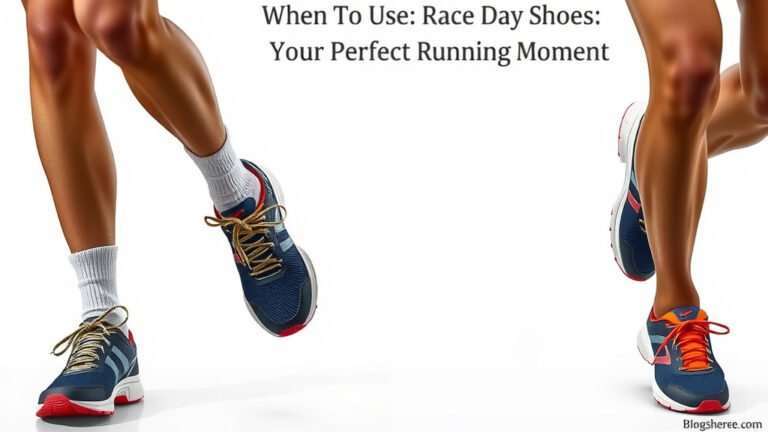
Racer shoes are the lightest and most minimalist of the three. They often have very little cushioning. This might sound uncomfortable, but it’s by design. Less material means less weight. This allows you to run as fast as possible.
They are also typically very flexible. Some racing shoes even include a carbon fiber plate. This plate is designed to give you a propulsive feel. It helps you spring forward with each step. They are built for race day, not for everyday wear and tear.
Race Day Ready
These shoes are strictly for competition. Think marathons, half-marathons, or even shorter races. You wouldn’t typically wear them for your daily training runs. They lack the durability and cushioning for that kind of mileage.
Comparing the Three: A Quick Look
Here’s a simple way to see how they stack up. Each type has a different focus for your runs.
| Feature | Daily Trainer | Tempo Shoe | Racer |
|---|---|---|---|
| Primary Use | Everyday runs, long runs, recovery | Speed workouts, tempo runs, faster training | Races (5k to marathon) |
| Cushioning | Abundant, soft | Moderate, firmer | Minimal to moderate, responsive |
| Weight | Moderate | Light | Very light |
| Flexibility | Moderate | Moderate to high | High, often with plate |
| Durability | High | Moderate | Low |
Making the Right Choice for Your Feet
So, which shoe is right for you? It really depends on your running goals and what you’re doing on any given day. If you’re just starting out or your runs are mostly easy and steady, a good daily trainer is your best bet. It will keep your feet happy and protected.
If you’re training for a faster race or regularly incorporate speed work into your routine, a tempo shoe can be a great addition. It helps you feel that extra bit of speed. Don’t forget to listen to your body when making these decisions.
And for race day itself? When you want to leave it all on the course, a racing shoe can give you that edge. They are designed to make you feel fast. Many studies suggest that lighter footwear can indeed improve running economy ( NCBI ).
A Quick Checklist for Choosing:
- What is the primary purpose of this shoe? (Daily miles, speed, race day?)
- How much cushioning do you need for the intended run?
- Are you looking for a lightweight feel?
- Does the shoe feel comfortable and supportive for its intended use?
- What is your budget for running shoes?
By understanding these distinctions, you can build a running shoe collection that supports every type of run you do. This thoughtful approach can help you stay injury-free and reach your running goals.

Conclusion
You now understand the unique roles of daily trainers, tempo shoes, and racers in your running arsenal. Your daily trainers are your dependable companions for everyday miles, providing comfort and durability. Tempo shoes are your secret weapon for faster workouts, offering a lighter, firmer feel. Racers are your ultimate speed companions, built purely for competition day. By matching the right shoe to the right run, you’ll enhance your performance and help prevent injuries. Consider adding the appropriate shoe to your rotation for your next training cycle.
Frequently Asked Questions
Can I use my daily trainers for a race?
While you can technically race in daily trainers, it’s generally not recommended for optimal performance. They are heavier and less responsive than dedicated racing shoes, which can slow you down. However, if you’re just starting out or prioritizing comfort over speed, they can work for shorter races.
How often should I replace my tempo shoes compared to daily trainers?
Tempo shoes typically wear out faster than daily trainers because they are lighter and have less durable materials. You might need to replace tempo shoes every 300-400 miles, while daily trainers can often last 400-500 miles or more. Always check for signs of wear like compressed cushioning or worn-out tread.
Is there a benefit to having all three types of shoes?
Yes, having all three types allows you to tailor your footwear to each specific run. This can improve your comfort, efficiency, and speed for different types of workouts. It also helps to distribute wear and tear, potentially extending the life of each shoe.
What if I only want one pair of running shoes?
If you can only have one pair, a good daily trainer is usually the best all-around choice. They offer the versatility to handle most types of runs, from easy jogs to longer efforts. While not ideal for racing, they provide a solid foundation for most runners.
Will a carbon-plated racer make me faster?
Research suggests that carbon fiber plates in racing shoes can improve running economy, meaning you use less energy at a given pace. This can translate to faster times, especially over longer distances. However, the benefits are most pronounced for efficient runners and in competition settings.