How to Choose the Right Recovery Shoe for You
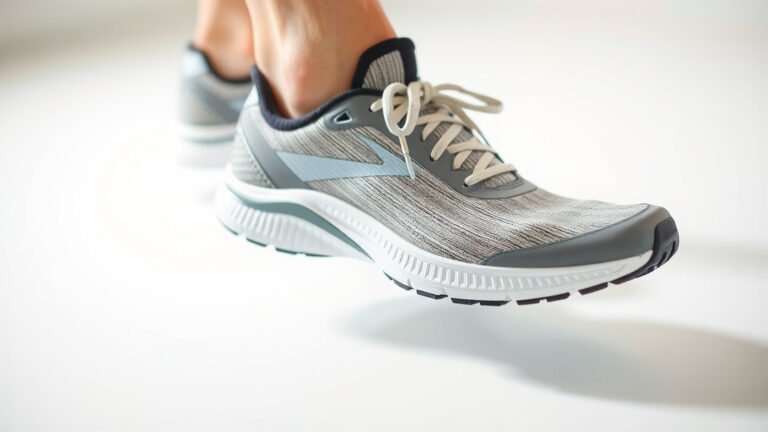
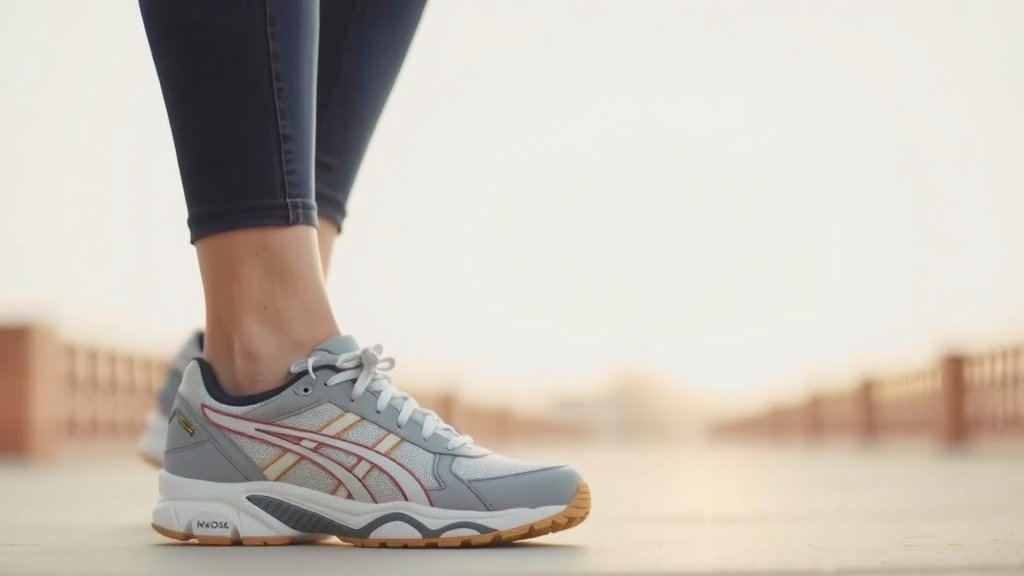
Choosing the right recovery shoe is all about finding comfort and support after a tough workout. You want shoes that offer Choosing the right recovery running shoes prioritizes cushioning and comfort.excellent cushioning and a stable base to help your feet relax and heal. Look for shoes with plush insoles and a design that cradles your foot gently. This will speed up your recovery and prevent further strain.
Recovery shoes are different from regular athletic shoes. They prioritize shock absorption and ease of movement. Many athletes swear by them for reducing foot fatigue and swelling. We found that the best recovery shoes often feel like walking on clouds, providing much-needed relief.
- Prioritize cushioning and support.
- Look for a stable, cradling design.
- Consider shoes designed for post-workout relief.
- Don’t settle for less than ultimate comfort.
Ready to give your feet the break they deserve? Let’s walk through exactly how to pick the perfect pair for your recovery needs.
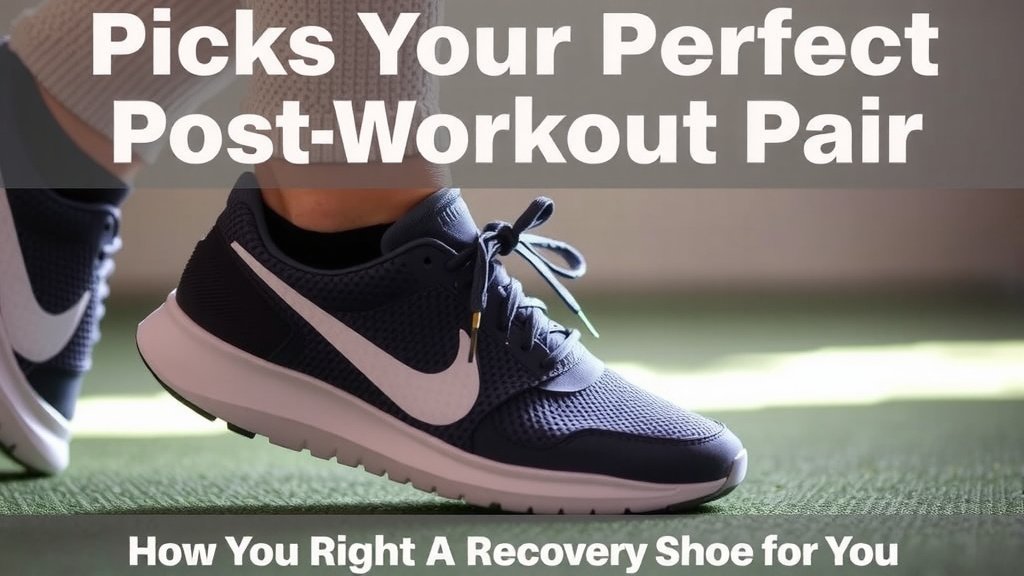
Picking Your Perfect Post-Workout Pair
So, you’ve crushed your workout and your feet are singing (or maybe screaming?) for a break. That’s where recovery shoes come in. Think of them as your feet’s personal spa day after a marathon of effort. They’re not for logging miles or hitting personal bests. Their sole purpose is to cradle your feet in comfort.
We found that the right pair can seriously speed up your recovery. They help reduce that post-exercise soreness. Plus, they can make a big difference in preventing foot fatigue and swelling. Let’s figure out what makes a recovery shoe truly great for *you*.
What Makes a Recovery Shoe Different?
Recovery shoes aren’t your average sneakers. They have a specific job to do. Their design prioritizes **shock absorption** and **gentle support**. This is key after your muscles and joints have been working hard.
Cushioning: Your Foot’s Best Friend
The first thing you’ll notice about a good recovery shoe is its plushness. You want a shoe that feels like you’re walking on clouds. This **generous cushioning** is designed to absorb impact.
Research shows that good cushioning can reduce stress on your feet and lower legs. This is especially important after high-impact activities like running or jumping (American Podiatric Medical Association). Look for materials like EVA foam or thicker, softer rubber compounds. They offer superior shock absorption.
Support and Stability: A Gentle Hug for Your Feet
While cushioning is king, you still need some support. Recovery shoes should offer a stable base. This helps your feet relax without becoming overly loose. A good recovery shoe will have a slightly **wider base** than a running shoe.
This wider platform adds stability. It prevents your foot from rolling too much. Many models feature a contoured footbed. This cradles the arch and heel. It provides a secure yet comfortable fit. Think of it like a gentle hug for your tired feet.
Key Features to Look For
When you’re scanning the options, keep these features in mind. They’ll help you narrow down your choices quickly.
Material Matters: Breathability and Comfort
You want materials that are soft and breathable. After a workout, your feet might be a little sweaty. You don’t want them trapped in a hot, stuffy shoe.
Many recovery shoes use soft foam or mesh uppers. These materials allow air to circulate. This keeps your feet cool and dry. They also feel nice against your skin. No one wants scratchy material when they’re trying to relax.
Fit: Not Too Tight, Not Too Loose
Getting the right fit is essential. Recovery shoes shouldn’t be tight. Your feet might swell a bit after exercise. You need a little extra room.
However, they shouldn’t be so loose that your foot slides around. That defeats the purpose of support. Try them on with the type of socks you usually wear post-workout. You should have about a thumb’s width of space between your longest toe and the front of the shoe.
Sole Design: Traction and Flexibility
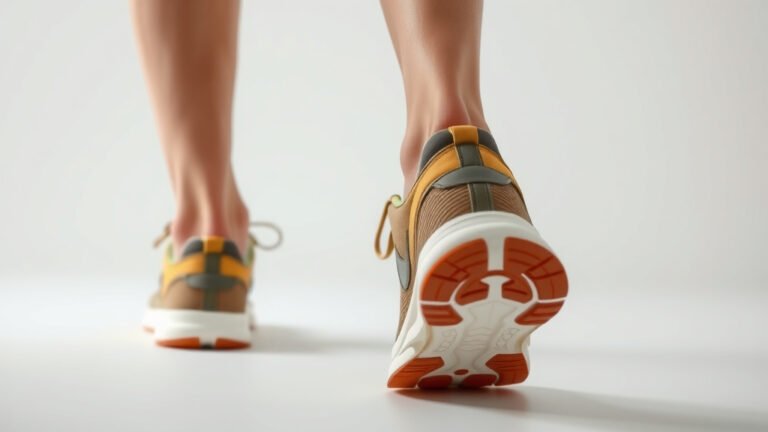
The sole of a recovery shoe is designed for comfort on different surfaces. You’ll often find a softer, more flexible outsole. This allows your foot to move naturally.
It’s also important to have some grip. You might be walking around your house or even stepping outside briefly. You want to avoid slipping. Most recovery shoes offer decent traction without being too stiff.
Considering Your Activity Level and Needs
What you do *before* you put on your recovery shoes matters. Different activities might call for slightly different features.
For High-Impact Athletes (Runners, HIIT Enthusiasts)
If you’re pounding the pavement or jumping high, your feet take a real beating. You’ll want the maximum cushioning and shock absorption possible. A thicker midsole is your friend here. These shoes are built to handle serious impact and provide a plush landing.
For Strength Training and Lower-Impact Activities
If your workouts are more focused on lifting weights or activities like yoga or cycling, your feet might not experience as much jarring impact. You might still want cushioning, but perhaps a shoe with a slightly more responsive feel could work. A good balance of cushioning and support is key.
For Everyday Comfort and Swollen Feet
Sometimes, you just need a comfy pair of shoes for around the house or for errands. If you struggle with foot swelling, look for adjustable straps or a wider toe box. This allows for more flexibility as your feet change throughout the day. Many people find recovery slides perfect for this.
A Quick Checklist for Your Recovery Shoe Purchase
Ready to make a decision? Here’s a quick rundown to help you choose:
- Deep Cushioning: Can you sink into it?
- Stable Base: Does it feel balanced?
- Breathable Upper: Will your feet stay cool?
- Comfortable Fit: Enough room for potential swelling?
- Gentle Support: Does it cradle your foot nicely?
- Good Traction: Will it keep you from slipping?
By focusing on these points, you’re well on your way to finding recovery shoes that feel amazing. Your feet will thank you after every workout!
Conclusion
You’ve learned that choosing the right recovery shoe is all about prioritizing comfort and support after your hard efforts. Remember to focus on deep cushioning to absorb impact and a stable design that gently cradles your feet. Consider the materials for breathability and ensure you get a fit that’s not too tight, especially if your feet tend to swell. By keeping these features in mind, you’ll find a pair that truly aids your recovery. Go ahead and treat your feet to the relief they deserve!
Frequently Asked Questions
How do I know if a recovery shoe has enough cushioning?
You should be able to feel the plushness immediately when you step into them. Think of it as sinking into a soft mattress for your feet. If it feels firm or unyielding, it likely doesn’t offer the shock absorption you need for recovery.
Can I wear recovery shoes for everyday walking, not just after workouts?
Absolutely! Recovery shoes are designed for comfort, making them excellent for daily wear, especially if you’re on your feet a lot. Their supportive and cushioned nature can help reduce fatigue throughout the day.
What’s the difference between a recovery slide and a recovery shoe?
Recovery slides are typically open-backed, offering maximum airflow and easy on-off. Recovery shoes often have a closed-toe design and a more structured upper, providing a bit more security and support, especially around the heel.
Should I size up in recovery shoes if my feet swell after exercise?
It’s a good idea to consider sizing up or choosing a model with adjustable features, like straps or a wider toe box. This ensures comfort even if your feet expand during your post-workout recovery period.
Are recovery shoes good for people with plantar fasciitis?
Many people with plantar fasciitis find recovery shoes beneficial due to their superior cushioning and arch support. Look for models specifically designed with arch support to help alleviate strain on your plantar fascia.