Carbon Plate vs Non Plated Shoes: Which Is Right for You?
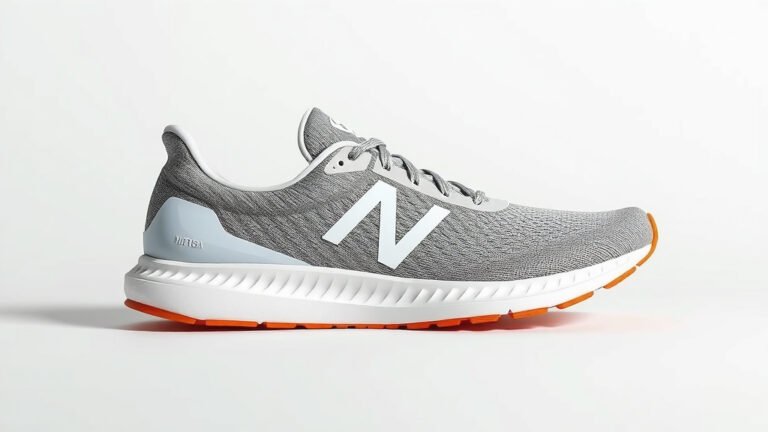
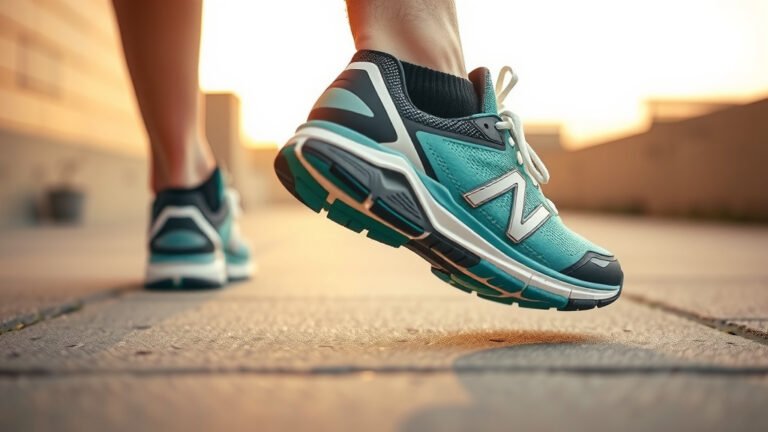
Carbon plate shoes use a stiff plate (and often thick, springy foam) to push you forward faster, while non-plated shoes stay flexible and let your feet do the natural work. So the main difference comes down to speed versus comfort. If you chase race-day PRs, carbon is your tool. If you want everyday runs that feel good, non-plated shoes usually win.
Here’s the catch, though. Carbon plates can feel amazing for one big race but may add stress to your legs if you wear them daily. Non-plated shoes are kinder to your calves and joints, which is why many experts say most runners should log their daily miles in them. We researched this topic and found that picking the right one depends on your goals, your body, and honestly, your budget.
TL;DR — Quick takeaways:
- Carbon plate shoes are built for speed and race day.
- Non-plated shoes are better for easy runs and daily training.
- Carbon shoes often cost more and wear out faster.
- Many runners rotate both types, depending on the run.
- Beginners should usually start with non-plated shoes first.
Confused about which one belongs in your closet? You’re not alone — we’ve all stood in the running store staring at price tags. Below, we break down everything you need to know about carbon plate vs non plated shoes, so you can pick the right pair with confidence.
What Separates Carbon Plate Shoes From Regular Trainers
The short answer: a carbon plate shoe is a stiff spring for your foot, while a regular trainer is a shock absorber. One propels you forward. The other cushions every step and lets your foot move naturally. We researched how both are built, and the difference starts with what’s hiding inside the midsole.
What the Plate Actually Does
Sandwiched between layers of thick foam sits a curved carbon fiber plate. It works like the blade of a ski — rigid, rocker-shaped, and ready to tip you forward with each stride. The plate also stabilizes the shoe, so you get a smooth, rocking motion instead of a floppy bend.
That stiffness changes how you run. Your ankle bends less, and the shoe returns energy you’d normally lose into the ground. Running researchers have studied this “energy return” effect for years, and reviews published through NCBI suggest stiff plates and resilient foams can improve running economy. Translation: the same effort can buy you a little extra speed.
What Non-Plated Shoes Do Instead
Non-plated trainers stay flexible. Your foot bends, flexes, and grips the ground the way nature designed it. Think of them as a good pair of hiking boots for your daily loop — supportive, forgiving, and comfortable for hours.
Because your foot does more of the work, your muscles and tendons get gentle training with every run. Many podiatrists and coaches like this. Cleveland Clinic experts often note that strong foot and calf muscles help protect against common running injuries, and flexible shoes keep those muscles engaged.
Carbon vs Non-Plated Shoes at a Glance
Still picturing both pairs in your head? Here’s a quick side-by-side so you can see the trade-offs without squinting at shoe boxes in a store.
| Feature | Carbon Plate | Non-Plated |
|---|---|---|
| Best use | Races, fast workouts | Daily runs, easy days |
| Feel | Stiff, bouncy, propulsive | Flexible, soft, natural |
| Fitness benefit | Speed on tired legs | Foot and calf strength |
| Typical lifespan | Roughly 200–300 miles | Often 400+ miles |
| Price | Usually $200+ | Often $100–$140 |
| Leg stress | Higher on calves and feet | Lower, more forgiving |
When Carbon Plate Shoes Make Sense
Carbon shoes shine when speed is the goal. They’re tools, not everyday companions — like a race car you keep in the garage for special occasions.
Race Day and PR Attempts
This is where carbon plates earn their price tag. Many runners we researched describe racing in a plated shoe as feeling like the road is tipping them forward. If you’ve trained for months and want everything working in your favor on race morning, a plate can help you hold pace when your legs start screaming.
Sharp Workouts
A hard interval session or a tempo run is another smart time to reach for the plate.
Use Them Sparingly Here
Most coaches suggest limiting plated shoes to one or two fast sessions per week. Why? Because your calves and feet work differently in them, and doing every run in carbon is like sprinting everywhere you go — your body eventually files a complaint.When Non-Plated Shoes Are the Better Pick
For most runners, most of the time, regular trainers are the right answer. They cost less, last longer, and treat your body kindly.
Everyday and Easy Miles
Easy runs should feel easy. A flexible, cushioned trainer lets you settle into a relaxed rhythm without your calves fighting a stiff plate. Many experts say the bulk of your weekly mileage belongs in non-plated shoes, and we found that advice repeated across coaching and medical sources alike.
Building a Stronger Foundation
Here’s the part nobody puts on a shoebox: letting your feet work builds strength. Flexible shoes ask your calves, arches, and tendons to contribute on every step. Over time, that can make you a more durable runner — one who spends less time on the injury couch and more time on the trail.
What the Research Says About Injury Risk
Carbon plates aren’t dangerous, but they change the load on your body. Because the plate limits ankle motion, some of the workload shifts up the chain — to your calf muscles, Achilles tendon, and the small bones of your foot. Sports medicine reviews available through NIH note that rapid changes in footwear or training load are a common trigger for overuse injuries like stress reactions.
The fix is simple and boring: transition slowly. Mayo Clinic guidance on running injuries emphasizes gradual increases in mileage and load. If you add a plated shoe, start with short runs. Your calves will thank you around mile three, trust us.

Should Beginners Buy Carbon Shoes?
Honest answer: usually no. Beginners are still building the strength and form that make fast shoes useful. Putting a beginner in a carbon plate is a bit like handing a new driver the keys to a race car. Fun for a moment. Risky after that. Still weighing it? Our breakdown of carbon plate shoes for beginners covers the pros, cons, and smarter first buys.
Start with a comfortable non-plated trainer. Learn your pace, build your base, and let your legs toughen up. When you’ve got a goal race and a few hundred miles in your legs, a plate becomes a smart upgrade — not a gamble.
A Quick Checklist Before You Buy
Before you swipe your card, run through this list. It takes two minutes and can save you a hundred dollars.
- Match the shoe to the run you do most, not the run you dream about.
- Try both types on and jog in them — even a parking lap tells you a lot.
- Leave a thumb’s width of room in the toe box for downhill races.
- If choosing carbon, plan a slow two-to-four-week transition.
- Check the return policy; some brands let you test-run them.
- Budget for rotation — one fast pair and one daily pair covers most runners.
We found that the happiest runners rarely pick a side. They keep a plated pair ready for race day and a flexible pair for everything else. Your feet — and your race photos — will be glad you did the same.
Conclusion
The carbon plate vs non plated debate isn’t really a debate at all. It’s about matching the shoe to the run. Carbon plates help you race faster and push through tough workouts, while non-plated trainers carry you through easy miles, build foot strength, and treat your budget better. We found that most runners do best with a flexible pair for daily training and a plated pair saved for race day. Your legs get the best of both worlds — speed when it counts and comfort everywhere else. So here’s your next step: pick the run you do most often, and buy for that run first. If race day is on the calendar, add the plate later.
Frequently Asked Questions
Can I run a marathon in non-plated shoes?
Absolutely. Plenty of runners finish marathons in regular trainers every year, and some prefer the extra cushioning over 26.2 miles. If your goal is to finish strong and feel good afterward, a comfortable trainer is a perfectly smart choice. Race in the shoe you trained in — comfort matters more than a few seconds.
Do carbon plate shoes actually make you faster?
Research on running economy suggests plated shoes with springy foam can reduce the energy cost of running, which often means faster times at the same effort. But the gains vary a lot from runner to runner. Your training, form, and fitness still do the heavy lifting — the shoe is a bonus, not a magic trick.
How do I transition from regular trainers to carbon plates?
Start with one short, easy run in the plated shoes, then wait a few days to see how your calves and feet feel. From there, add them to one or two faster sessions per week over a few weeks. We found this gradual approach is the safest way to let your body adjust to the different load.
Do carbon plate shoes wear out faster than regular running shoes?
Yes, typically. The soft, responsive foam in plated shoes tends to break down sooner than the denser foam in everyday trainers. Many runners notice the pop fading after a couple hundred miles. If a plated shoe starts feeling flat, it’s time to retire it from race duty. Wondering exactly how long plated foam lasts? Our carbon plate shoe lifespan guide has the mileage details.
Can I use carbon plate shoes for walking or the gym?
We wouldn’t recommend it. The stiff, rockered design is built for forward running motion and can feel awkward and unstable when walking, lifting, or moving side to side. Save your plated pair for the road, and wear something flexible and stable for everything else.