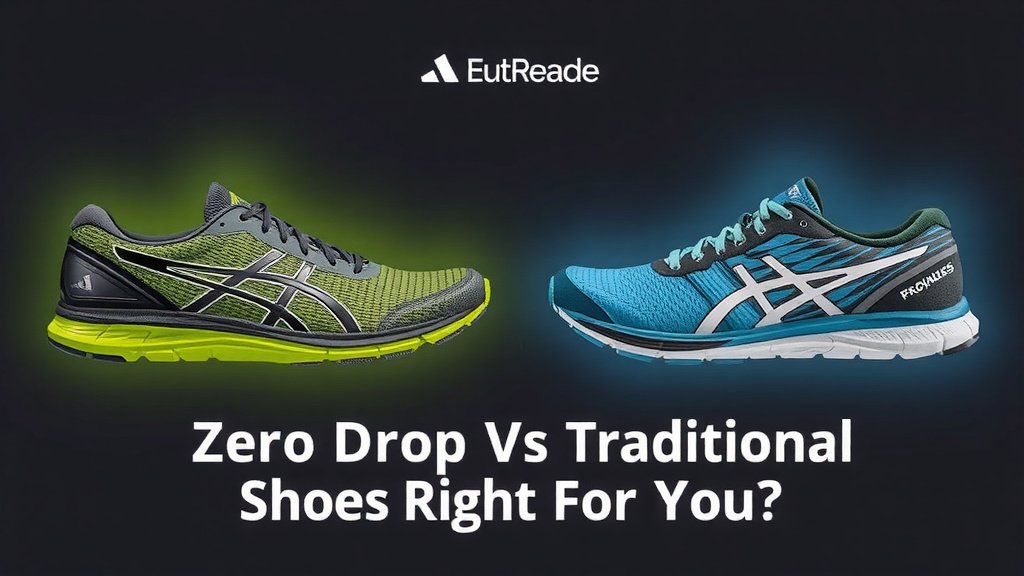
Zero Drop vs Traditional Running Shoes: Which Is Right for You?
Zero drop shoes keep your heel and toe at the same height, while traditional running shoes lift your heel higher than your toes. That’s the core difference, and it changes how your feet land with every step. Neither option is automatically “better” — the right pick depends on your feet, your runs, and what feels good to you.
So why does this matter? Because many experts say that heel height can affect your posture, stride, and even injury risk. Zero drop shoes may encourage a more natural, midfoot landing. Traditional shoes, with their cushioned heels, offer more padding for hard pavement and long miles. We researched dozens of runner reviews and expert guides to see how both styles actually hold up.
Quick TL;DR:
- Zero drop means your heel and toe sit level, like standing barefoot.
- Traditional shoes have a raised heel, usually 8 to 12 millimeters.
- Zero drop may encourage a natural stride but requires a slow transition.
- Traditional shoes offer more heel cushioning and are easier on beginners.
- Neither is “best” — the right choice depends on your body and running style.
Below, we break down everything you need to know about zero drop vs traditional running shoes — what each one is, the pros and cons, and how to choose. Let’s find the pair your feet will actually thank you for.
Comparing Zero Drop and Traditional Running Shoes
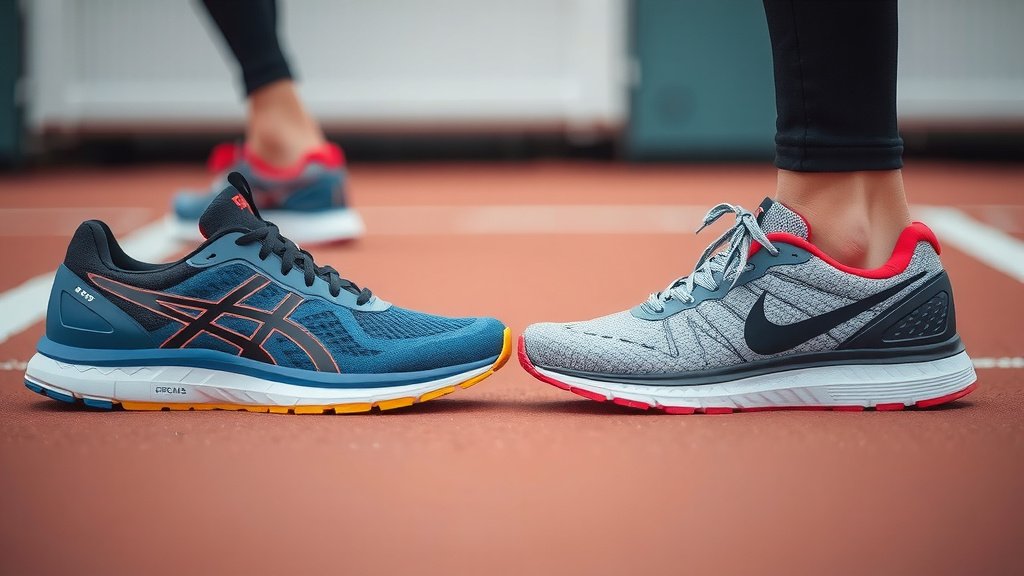
The biggest difference comes down to heel height. Zero drop shoes keep your heel and toe level, while traditional shoes stack your heel 8 to 12 millimeters higher. That small gap changes how your foot strikes the ground.
Think of it like a ramp versus a flat floor. One tilts you forward slightly. The other lets your foot sit the way nature built it. We found that most runners choose based on comfort, injury history, and running goals.
What Exactly Is Drop in a Running Shoe?
Drop is the height difference between your heel and your forefoot. It’s measured in millimeters. A traditional trainer might have a 10mm drop, while a zero drop shoe has, well, zero.
The Common Drop Levels You’ll See
Shoe brands don’t just offer two choices. There’s actually a small range:
- 0mm — completely flat, like standing barefoot.
- 4 to 6mm — low drop, a middle-ground option.
- 8 to 12mm — traditional, the most common in stores.
Many experts say lower drop shoes shift more work to your calves and Achilles. Higher drop shoes ease that load but put more stress near the knee (Cleveland Clinic).
How Each Style Changes Your Running Form
Drop affects where your foot lands. In zero drop shoes, many runners naturally land midfoot or forefoot. In traditional shoes, the raised heel makes heel striking more likely.
Neither landing pattern is “wrong.” We found plenty of fast, healthy runners in both camps. But form changes do shift stress to different joints, and that matters for injury history.
What Happens to Your Body in Zero Drop Shoes
Going flat shifts work downward. Your calves, Achilles, and feet do more of the job. That can strengthen them over time, but it can also cause soreness if you rush the switch.
Muscles and Tendons That Need Time
Your Achilles tendon works harder in a flat shoe because it’s never propped up on a heel. Your calves may feel tight for the first few weeks. Your feet may ache as smaller muscles wake up. This is normal, and it’s why slow transitions matter.
What Happens in Traditional Shoes
A cushioned heel softens the landing and reduces strain on the Achilles. Many runners find this more comfortable on pavement and during long runs. The trade-off is less work for your lower legs, which some experts argue may lead to weaker feet over time (Harvard Health).
The Pros and Cons Side by Side
Here’s a quick comparison so you can see the trade-offs at a glance:
| Feature | Zero Drop | Traditional (8–12mm) |
|---|---|---|
| Foot position | Level, natural stance | Heel raised above toes |
| Typical landing | Midfoot or forefoot | Heel strike |
| Best for | Building foot strength | Beginners, long runs |
| Transition time | Weeks to months | None, easy switch |
| Common sore spots | Calves, Achilles | Knees, hips |
| Cushioning feel | Often firmer, ground feel | Plush, padded |
Who Should Consider Zero Drop Shoes?
Zero drop works well if you want to build stronger feet, prefer a natural feel, or already run with a midfoot strike. We found that trail runners often love the ground feel on uneven terrain.
But be honest with yourself. If you have a history of Achilles problems or plantar fasciitis, talk to a doctor or physical therapist first. Lower drop can aggravate those areas if you ramp up too fast (NIH).
Who Should Stick With Traditional Shoes?
Traditional shoes are a smart pick for new runners, heavier mileage weeks, or anyone recovering from knee or hip issues. The extra heel cushioning absorbs some impact, and there’s no adjustment period.
They’re also easier to find and try on. Walk into any running store and you’ll have dozens of options with a familiar feel.
How to Switch to Zero Drop Safely
The number one mistake we kept seeing? Doing too much, too soon. Your body needs time to adjust to a flatter stance. Here’s a simple checklist to follow:
- Start with one short run per week in your new shoes.
- Alternate between old and new shoes for 4 to 8 weeks.
- Stretch your calves daily, especially after runs.
- Watch for soreness in your Achilles and arches.
- Slow down your pace during early transition runs.
- Stop and rest if sharp pain shows up.
Many experts recommend increasing drop changes gradually rather than all at once (Mayo Clinic). Patience here saves you weeks of sitting on the couch with an ice pack.
What the Research Says About Injuries
Honestly? The science is mixed. We found studies suggesting that sudden changes in drop or cushioning may raise injury risk during the transition period. Other reviews show no clear winner between styles for injury rates overall (NCBI).
The pattern we noticed: injuries tend to come from rushed transitions, not from the shoes themselves. Your feet adapt to what you train them for, so consistency matters more than the number on the spec sheet.
How to Choose the Right Drop for You
Still torn? Ask yourself a few simple questions. What do you wear every day? If your daily shoes are flat, zero drop may feel more natural. Do you have old injuries? Let your history guide you, not the trend cycle.
Also consider where you run. Smooth pavement and cushioned shoes pair nicely. Rocky trails and flatter shoes can give better balance. We found that the “best” drop is usually the one that matches your current routine, not a dramatic leap from it.
Quick Tips Before You Buy
A few last pointers from our research:
- Try both styles at a running store before committing.
- Check the spec sheet — heel stack height and drop are listed separately.
- Buy for today’s feet, not the runner you hope to become.
- Replace shoes every 300 to 500 miles, whichever style you pick.
At the end of the day, your feet are the only judges that count. Listen to them, transition slowly, and the right shoe will make itself obvious.
Conclusion
So here’s the bottom line: zero drop and traditional shoes are both legit choices. Neither one will wreck your knees or magically make you faster. What matters is matching the shoe to your body, your injuries, and the miles you actually run.
We found that the runners who stay healthy are the ones who change things slowly and listen to their calves along the way. If you’re curious about zero drop, grab a pair and swap them in for one short run a week. If traditional shoes already feel great, keep lacing them up with confidence. Your next step? Visit a running store, try both styles on, and let your feet cast the deciding vote.
Frequently Asked Questions
Can I wear zero drop shoes for walking too?
Absolutely. Many people use zero drop shoes as daily walkers, and it’s actually a gentler way to ease into a flatter stance. Walking puts less strain on your calves than running, so your body gets a low-stress warm-up. Just keep an eye on any arch or Achilles soreness during the first couple of weeks.
Do zero drop shoes have less cushioning?
Not always. Drop and cushioning are two separate measurements on a shoe’s spec sheet. You can find zero drop shoes with thick, plush midsoles as well as minimal ones with barely any padding. We recommend checking both numbers before you buy.
Can I run a marathon in zero drop shoes?
Yes, plenty of runners do, but only after a full transition period. If you’ve spent years in traditional trainers, you’ll want several months of gradual build-up before racing long in flats. Rushing that timeline is where we saw most runners run into calf and Achilles trouble.
Are zero drop shoes bad for flat feet?
Not necessarily, but it depends on your feet. Some runners with flat feet do well in zero drop once their muscles adjust, while others need more arch support to stay comfortable. If you have flat feet plus any pain, check with a podiatrist before making the switch.
Should kids wear zero drop or traditional shoes?
Most experts suggest letting kids wear flat, flexible shoes, since their feet are still developing and barefoot-style movement may help natural strength. That said, comfort and fit should always come first. If a child complains of foot pain in any shoe, it’s worth a visit to a pediatric specialist.