Why Do My Running Shoes Feel Tight? 6 Common Causes
Your running shoes feel tight because of swelling in your feet, tight lacing, worn-out insoles, or the wrong shoe size for your foot shape. Feet naturally expand during runs and can swell up to a half size, especially in heat or on long runs. So if your shoes fit fine at the store but pinch mid-run, there’s a real reason for it.
The good news? Most tight shoe problems are easy to fix. Many experts say that sizing up a half size, switching to thinner socks, or loosening your lacing pattern can make a big difference. We also found that foot swelling tends to get worse later in the day, which is why shoe shopping in the afternoon matters more than you’d think.
Here’s the quick version before we dig in:
- Swelling is the top reason your running shoes feel tight, especially during or after runs.
- Wrong sizing is common, because many runners buy shoes that are too small.
- Lacing techniques can relieve pressure on hot spots like the top of your foot.
- Old shoes can stiffen up and squeeze over time.
- Simple fixes like better socks and afternoon fittings often solve the problem fast.
Below, we break down every reason your running shoes might feel snug, plus the easy fixes that actually work. Let’s get your feet back to feeling happy.
Why Your Running Shoes Feel Snugger Than They Did in the Store
Your shoes aren’t shrinking. Your feet are expanding, and that snug feeling usually comes down to swelling, sizing, or lacing. Let’s walk through each one so you can pinpoint your exact culprit.
Your Feet Swell When You Run
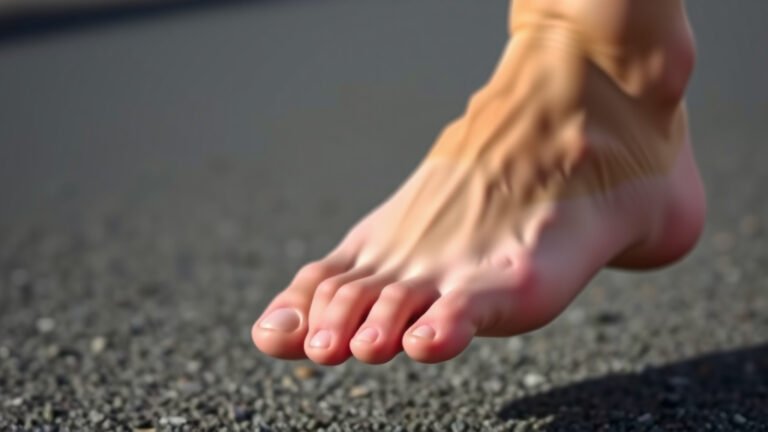
Every footstrike pushes blood and fluid into your feet. Over miles, this causes gradual swelling, sometimes enough to add a half size. Many experts say this is completely normal and temporary (Mayo Clinic).
Think of your foot like a sponge left under a running faucet. It soaks up a little with every step. By mile five, that sponge has grown, and your shoe suddenly feels like a fist closing around it.
Heat and Long Miles Make It Worse
Warm weather turns a mild squeeze into a full pinch. We found that heat causes blood vessels to widen, which pushes even more fluid into your feet and ankles. Long runs do the same thing, just slower.
So if your shoes only feel tight on hot summer days or after double-digit miles, swelling is likely your answer. No new shoes required, just a few smart adjustments.
You Might Be in the Wrong Size
Here’s an uncomfortable truth: many runners wear shoes that are too small. We found that foot size often changes with age, pregnancy, and weight shifts, yet most of us keep buying the same number we wore at twenty-five.
Your foot also slides forward inside the shoe as you run. If there’s no extra room up front, your toes crash into the toe box thousands of times per run. Ouch.
Signs Your Shoes Are Too Tight
How do you know if tightness is a fit problem and not just normal swelling? Your feet will send signals. Watch for these warning signs (American Academy of Orthopaedic Surgeons).
- Your toes feel numb or tingly during or after runs.
- You keep losing toenails or notice bruising under them.
- Blisters form in the same spots, run after run.
- The shoe upper presses hard enough to leave deep red marks.
- Your foot spills over the edge of the midsole when you stand.
One or two of these? Fixable. Several at once? Your shoes are probably the wrong size or shape for your foot.
Easy Lacing Tricks That Relieve the Pinch
Before you buy anything new, try re-lacing the shoes you already own. A lacing pattern change costs nothing and takes two minutes. Many runners swear by these fixes.
Window Lacing for a Pinched Instep
If the top of your foot aches or goes numb, this is your move. Skip one eyelet pair in the middle of the shoe and thread the lace straight up on each side instead of crossing it. This creates a “window” that removes pressure from the sore spot.
We found that runners with high arches love this trick, because high arches tend to poke up into the lacing zone. No pressure, no pain, no shopping trip.
Loosening the Toe Box
For cramped toes, start your lacing lower and keep the bottom half of the lacing loose. Lock the fit in at the ankle instead. Your toes get breathing room while your heel stays put.
It feels backwards at first, like unbuttoning the bottom of your shirt and tightening the collar. But your toes will thank you by mile two.
Socks and Insoles: The Hidden Fitters
Sneaky thickness gremlins, your socks. A chunky winter pair can eat up precious toe room that a thin running sock would leave behind. If your shoes only feel tight in certain socks, the sock is the problem, not the shoe.
Moisture also matters. Damp cotton socks swell and bunch, creating pressure points. Synthetic or merino wool running socks wick sweat away and hold their shape. Many podiatrists recommend them over cotton for exactly this reason (Cleveland Clinic).
Insoles play a role too. Worn-out factory insoles compress into lumpy pancakes over time. A fresh pair, or a slimmer aftermarket insert, can restore breathing room almost instantly.
Your Quick Fit Checklist
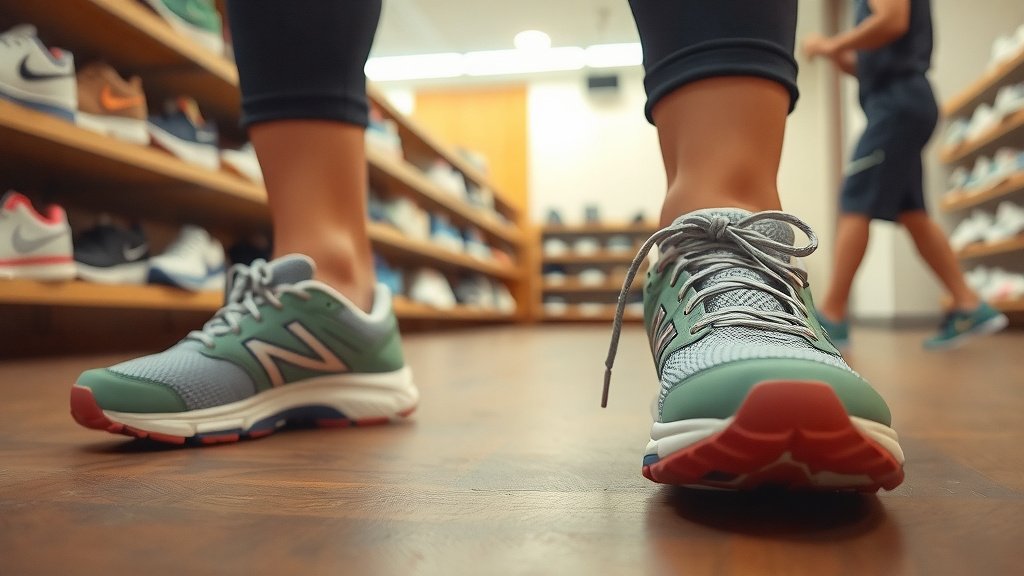
Run through this list before your next run. It takes five minutes and can save your toenails.
- Measure your feet in the afternoon, when they’re at their largest.
- Check for a thumb’s width of space between your longest toe and the shoe tip.
- Try shoes on with the socks you actually run in.
- Test window lacing if the top of your foot pinches.
- Swap cotton socks for moisture-wicking running socks.
- Inspect your insoles; replace them if they’re flat or bunched.
When to Size Up or Replace Your Shoes
Sometimes the fix is simple: new shoes. Use this quick comparison to decide your next move. If you do size up, our guide to choosing daily training shoes walks through the try-on fit check.
| Your Situation | Best Fix |
|---|---|
| Tight only during long runs or in heat | Keep the shoes; loosen lacing and wear thinner socks |
| Tight every run, even short ones | Go up a half size |
| Toes hit the front on downhills | Size up and check the toe box width |
| Shoes feel stiff, flat, and cramped | Replace them; midsoles break down around 300-500 miles |
| One foot feels tighter than the other | Get both feet measured; many of us have mismatched sizes |
A quick tip when you size up: go longer, not just wider, unless you have genuinely wide feet. And skip the morning fitting. Your feet are puffiest in the afternoon, so that’s when you’ll get the most honest fit.
When Tightness Signals a Health Issue
Most tightness is harmless. But persistent swelling that doesn’t go down overnight deserves a second look. Ongoing foot or ankle swelling can point to circulation problems, injury, or other conditions that need a doctor’s eye (NIH).
If one foot swells more than the other, or you notice pain, redness, or warmth in a single spot, check in with your doctor. Better safe than sidelined.
For everyone else, take a breath. Tight running shoes are almost always a fixable annoyance, not a mystery. Adjust your laces, rethink your socks, and if needed, size up with confidence.
Conclusion
Tight running shoes almost always come down to a handful of culprits: swollen feet, a size that no longer matches your foot, snug lacing, or tired old socks and insoles. The fix usually costs you nothing more than two minutes with your laces, a sock swap, or a trip to the store for a proper afternoon fitting. Your feet change over the years, so the size you’ve worn forever might not be the size you need today. Start small before you spend big. Re-lace your current pair, test them on a short run, and if the pinch persists, take that as your cue to size up. Happy feet make happy miles.
Frequently Asked Questions
Should running shoes be tight or loose?
Neither extreme feels good. You want a snug fit through the midfoot and heel with wiggle room in the toe box. If you can slide your foot side to side or your heel lifts with every step, they’re too loose. If your toes press against the front, they’re too tight.
How much room should my toes have in running shoes?
Aim for roughly a thumb’s width of space between your longest toe and the end of the shoe. Your feet slide forward and swell as you run, so that buffer keeps your toenails safe. Check it while standing, not sitting, since your foot spreads under your body weight.
Do feet get bigger as you age?
They can. Ligaments loosen over time, and weight changes or pregnancy can widen your feet permanently. Many runners find their size drifts up a half or full size in their thirties and forties. We recommend getting measured once a year instead of guessing.
Can tight running shoes cause numb toes?
Yes, and it’s one of the most common complaints we hear. Pressure across the top of your foot can compress nerves, leaving your toes tingly or completely numb mid-run. Try window lacing first. If numbness sticks around even in roomier shoes, mention it to your doctor.
How long should running shoes last before replacing them?
Most pairs hold up for 300 to 500 miles, though heavier runners or rough trails can shorten that. When the midsole feels flat and your shoes stop feeling cushioned, they’ve likely lost their shock absorption. Old shoes can also stiffen and squeeze, making tightness worse.