Best Running Shoes for Bad Knees: A 2026 Guide
Choosing the right running shoes when you have bad knees is all about finding the right balance of cushioning and support. You want shoes that absorb impact without making your feet feel unstable. Look for options with a good amount of shock absorption and features that help guide your foot naturally. This can make a big difference in your comfort.
When your knees ache, every step counts. We know the struggle is real. Many runners with knee pain find relief by switching to shoes designed to minimize jarring forces. Focusing on proper fit and appropriate shoe technology can help you get back to enjoying your runs. It’s about finding the perfect pair that works with your body, not against it.
- Prioritize cushioning and support.
- Ensure a proper, comfortable fit.
- Consider shoes designed for shock absorption.
- Look for good arch support if needed.
- Don’t forget about proper lacing technique.
Let’s walk through exactly how to find those perfect shoes for your bad knees so you can hit the pavement with more confidence and less pain.
Finding Your Perfect Running Shoes for Knee Pain
Choosing running shoes when your knees aren’t happy can feel like a challenge. But don’t worry, you’ve got this! The key is finding shoes that offer both cushioning and stability. You want to absorb impact without feeling like your foot is going to slide around. Think of it like finding a good pair of boots for hiking – you need comfort and security.
We’ve found that many runners with knee discomfort experience relief by switching to shoes designed to reduce the jarring forces of each stride. It’s about finding the right match that works with your body. Let’s break down what to look for so you can get back to enjoying your runs with less pain.
Understanding What Your Knees Need in a Shoe
The Role of Cushioning
Cushioning is your first line of defense against knee pain. It acts like a shock absorber. When your foot hits the ground, cushioning softens the impact. This is especially important for your knees. Too little cushioning means more shock travels up to your knee joint. Too much, and you might feel wobbly. You’re looking for a sweet spot.
Many experts suggest that adequate cushioning can help reduce stress on your joints (American Academy of Orthopaedic Surgeons). This is why you’ll see many shoes marketed with phrases like “plush” or “responsive cushioning.” It’s not just marketing; it’s about how the shoe protects you.
The Importance of Support and Stability
Support means how the shoe helps control your foot’s motion. When you run, your foot rolls inward after it strikes the ground. This is called pronation. Some people overpronate, meaning their foot rolls too far inward. This can put extra stress on your knees.
Shoes designed for stability help guide your foot. They often have firmer materials in the midfoot. This helps prevent excessive inward rolling. For runners with bad knees, especially if you overpronate, stability can be just as important as cushioning. It’s about keeping your foot aligned correctly from heel to toe.
Key Features to Look For
Types of Shoe Support
Running shoes generally fall into a few categories based on support: neutral, stability, and motion control. For bad knees, you’re often looking at neutral or stability shoes.
- Neutral shoes: These are best for runners with a neutral pronation. They offer cushioning without a lot of added support features. They allow your foot to move naturally.
- Stability shoes: These are great for mild to moderate overpronators. They have features like a medial post or guide rails. These gently guide your foot to prevent excessive inward rolling.
- Motion control shoes: These offer the most support. They are for severe overpronators. They can sometimes feel stiff. We found these are often too much for someone just looking for knee comfort unless advised by a professional.
Midsole Technology Matters
The midsole is the heart of a running shoe. It’s the layer between the upper and the outsole. This is where cushioning and stability technologies live. Different brands use different materials. Some common ones include EVA (ethylene vinyl acetate) and polyurethane. EVA is lighter and more flexible. Polyurethane is denser and more durable.
We’ve found that many shoes designed for comfort use a combination of foams. Some offer a soft feel underfoot with a firmer layer for support. Look for descriptions that mention shock absorption. Brands often have proprietary names for their midsole technologies. Don’t get too caught up in the names; focus on the feel and the support features.
Outsole and Heel Counter
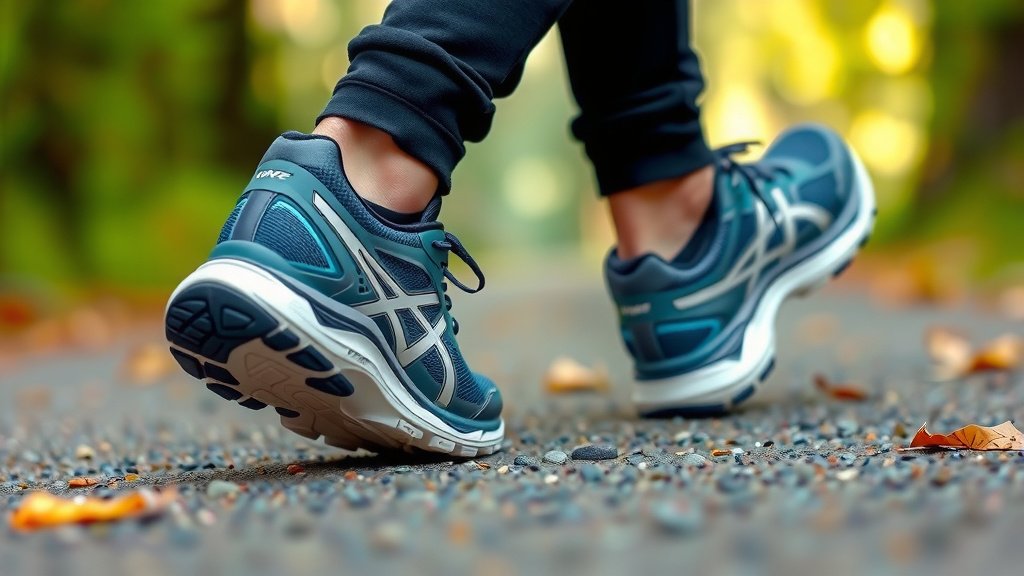
The outsole is the bottom part of the shoe that touches the ground. It provides traction. A good outsole will offer grip without being too rigid. The heel counter is the stiff cup at the back of the shoe that holds your heel in place. A well-structured heel counter prevents your heel from slipping. This can contribute to overall stability and reduce strain on your knee.
The Fit: It’s More Than Just Your Size
Getting the Right Size and Width
This is non-negotiable! Your running shoes should not be too tight or too loose. Your feet swell when you run. So, you need about a thumb’s width of space between your longest toe and the end of the shoe. This prevents bruised toenails and allows for foot expansion.
Width is also key. Shoes come in different widths (narrow, standard, wide, extra-wide). If a shoe feels tight across the top or sides of your foot, it might be too narrow. An improperly fitting shoe can cause blisters and affect your gait, which can then impact your knees.
Trying Them On Properly
Always try on running shoes at the end of the day. Your feet are typically at their largest then. Wear the type of socks you normally run in. Lace them up snugly, but not so tight that they pinch. Walk around in the store. Jog in place or on a treadmill if possible.
Pay attention to how your heel feels – it shouldn’t slip. Your toes should have room to wiggle. Does the arch support feel right for your foot? Most shoe stores have staff who can help you. We found that asking them about your specific knee concerns can be very helpful.
Considerations for Specific Knee Issues
When to Seek Professional Advice
If you have significant pain or a diagnosed condition like osteoarthritis, it’s wise to consult a professional. A physical therapist or a sports medicine doctor can assess your gait. They can also recommend specific shoe types or features. They might even suggest orthotics.
We found that following professional advice is often the fastest way to find relief. They can give you personalized recommendations. For instance, they might recommend shoes with a higher level of cushioning if you have bone-on-bone pain in your knee.
The Role of Orthotics
Orthotics are shoe inserts. They can provide extra support or cushioning. Over-the-counter options exist, but custom-made ones from a podiatrist are usually more effective. If you use orthotics, take them with you when you shop for shoes. You’ll need to ensure they fit well inside the new shoes. Consider using specialized shoe inserts for added support or cushioning.
Checklist for Choosing Your Shoes
- Is there enough toe room? (About a thumb’s width)
- Does the shoe feel too tight or too loose anywhere?
- Does the cushioning feel good underfoot?
- Does the shoe provide adequate arch and heel support for you?
- Does the shoe feel stable without being overly stiff?
- Did you try them on with your running socks?
Conclusion
You’ve learned that choosing running shoes for bad knees is about finding the perfect blend of cushioning and support. Prioritizing a good fit, understanding midsole technology, and considering your specific foot needs are key. Don’t underestimate the importance of trying shoes on properly. Your next step is to visit a reputable running store. Ask the staff about your knee concerns. They can help you find shoes that offer the comfort and stability you need to get back to running confidently and pain-free.
Frequently Asked Questions
Can I wear any running shoe if I have knee pain?
No, not all running shoes are ideal for knee pain. You need shoes specifically designed to absorb impact and provide adequate support. Shoes lacking cushioning or proper stability can worsen knee discomfort.
How much cushioning is too much for bad knees?
While cushioning is vital, excessive softness can sometimes make a shoe feel unstable. You want a ‘sweet spot’ that absorbs shock effectively without making your foot feel wobbly. It’s best to find a balance that feels secure yet comfortable.
Should I get neutral or stability shoes for knee pain?
It depends on your pronation. If you have a neutral gait, neutral shoes might suffice. However, many runners with knee pain benefit from stability shoes, which help control overpronation and reduce stress on your knees.
How often should I replace running shoes for knee pain?
Running shoes lose their cushioning and support over time, typically after 300-500 miles. For bad knees, replacing them sooner rather than later is wise to ensure you consistently benefit from their protective features.
Can wearing the wrong socks affect my running shoes and knee pain?
Yes, wearing the wrong socks can impact your fit and comfort. Thin, cotton socks can cause friction, while thick socks might make shoes feel too tight. Always try on running shoes with the moisture-wicking socks you typically run in.