What is a Bouncy Midsole Explained
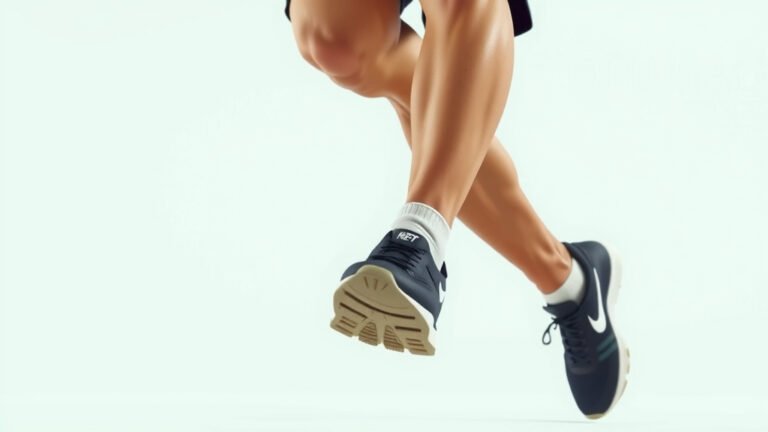
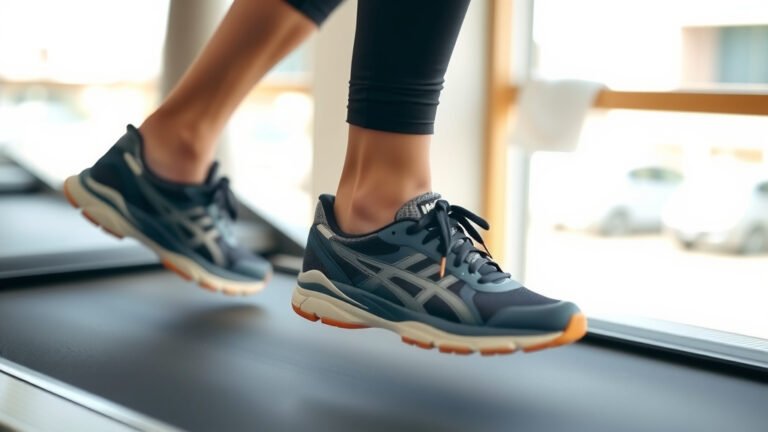
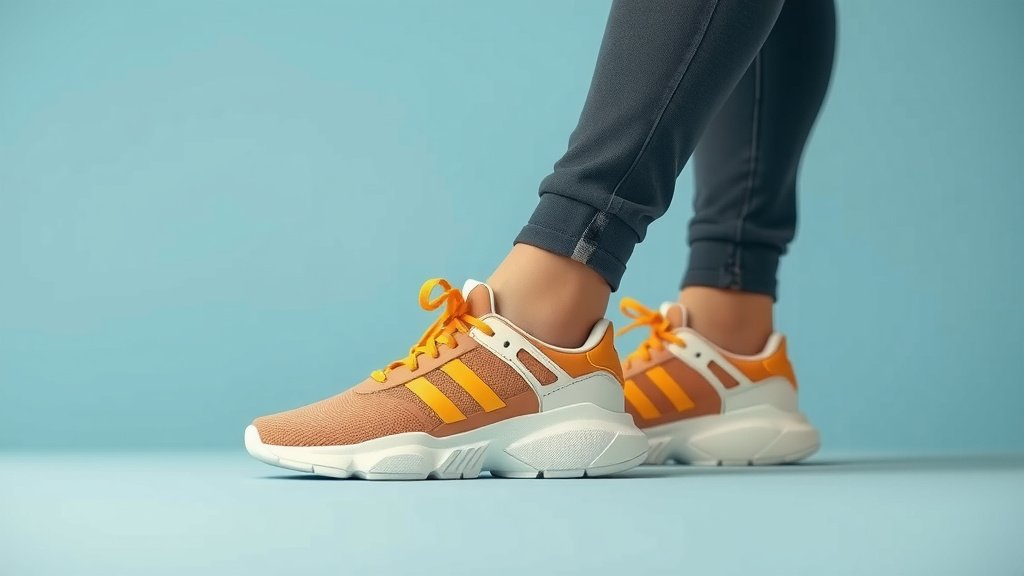
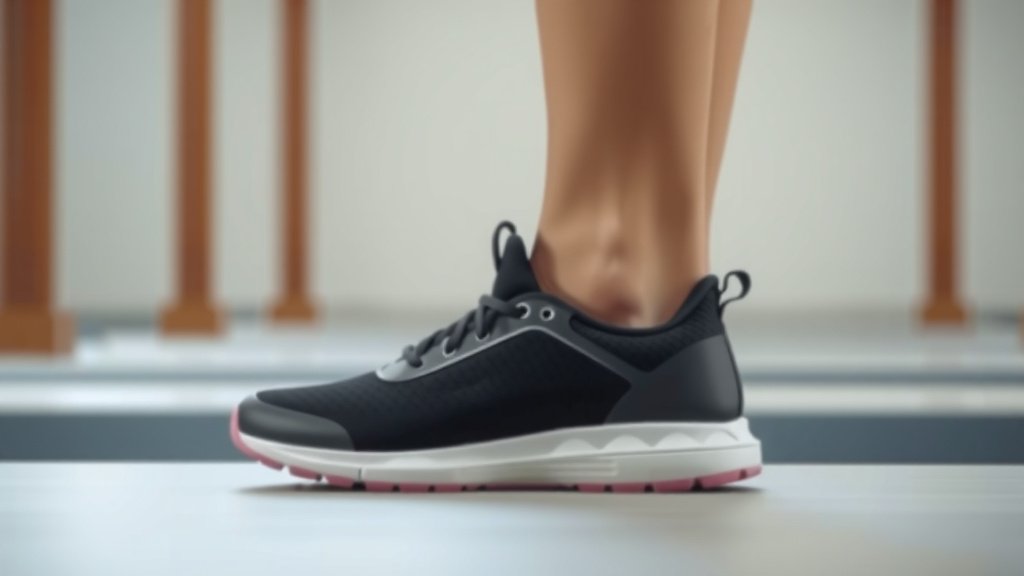
A bouncy midsole is a layer in your shoe designed to give you energy return with every step. It feels like walking on clouds, propelling you forward. This special material makes running feel easier and less tiring. You’ll notice the difference right away.
These midsoles use advanced foam technologies. They are made to be both soft and responsive. Many research studies show they can help reduce fatigue. This means you can go longer and feel better doing it. It’s like having built-in springs for your feet.
- Bouncy midsoles give you energy back.
- They make shoes feel soft and responsive.
- Research shows they help reduce running fatigue.
- They use special foam technology.
Let’s dive deeper into what makes a midsole bouncy and how it can benefit your runs.
You might have heard the term “bouncy midsole” thrown around by running shoe brands or in reviews. But what does it actually mean for your feet and your runs? Let’s break down this popular shoe feature.
Understanding Shoe Cushioning Technology
A bouncy midsole is all about the material it’s made from. Think of the midsole as the shoe’s soul. It’s the layer nestled between your foot and the outsole (the part that touches the ground). Its primary job is to absorb shock when your foot hits the pavement or trail.
What Makes a Midsole “Bouncy”?
The “bounce” comes from the foam used. Traditional EVA foam is common, but advancements have led to specialized compounds. These new foams are engineered to be both soft and responsive. They compress under impact and then spring back quickly. This action gives you that feeling of energy return. This action gives you that feeling of energy return, which is also important for marathon racing shoes.
Foam Formulations and Feel
Brands use different proprietary names for their bouncy foams, like Boost, ZoomX, or Fresh Foam X. While the names vary, the goal is similar: to provide a plush feel with a lively response. It’s not just about softness; it’s about a certain “pop” with each stride.
The Science Behind the Spring
How does this foam work its magic? It’s all about energy absorption and return. When you land, the foam compresses, absorbing some of the impact. But instead of just squishing flat, the material’s structure allows it to expand back rapidly. This expansion pushes energy back into your foot, propelling you forward.
Comparing Foam Types
Not all foams are created equal. You’ll find a spectrum of cushioning: from firm and responsive to super soft and plush. Bouncy midsoles often sit in a sweet spot, offering a balance. Some research indicates that certain foams can improve running economy by reducing the energy your body needs to expend (Journal of Applied Physiology).
| Cushioning Type | Typical Feel | Energy Return | Best For |
|---|---|---|---|
| Firm & Responsive | Direct, fast feel | High | Racing, tempo runs |
| Soft & Plush | Cloud-like, forgiving | Low to Moderate | Long, slow runs, recovery |
| Bouncy (Balanced) | Soft with a lively pop | Moderate to High | Daily training, versatile runs |
Benefits of a Bouncy Midsole for Your Runs
So, why should you care about a bouncy midsole? The benefits can translate to a more enjoyable and potentially more efficient running experience.
Reduced Fatigue and Impact Protection
One of the most talked-about benefits is the potential for reduced running fatigue. By returning some energy with each step, the midsole can lessen the workload on your muscles and joints. Studies have shown that foams designed for energy return can help decrease muscle strain over longer distances (Frontiers in Sports and Active Living).
How It Helps Your Body
Imagine a trampoline versus a flat mat. The trampoline bounces you back. A bouncy midsole does something similar for your stride. It helps soften the landing and provides a gentle assist on push-off. This means less pounding on your legs, especially on hard surfaces like roads. Many runners report feeling less beat up after a run in shoes with this kind of cushioning.
Enhanced Running Economy
What is running economy? It’s essentially how efficiently your body uses oxygen while running at a certain pace. A more efficient runner uses less energy to maintain that pace. Some research suggests that shoes with highly responsive midsoles can improve running economy, meaning you might feel like you’re working a little less hard (Sports Medicine).
The “Pop” Factor
This isn’t about running faster magically. It’s about a feeling. That “pop” from a bouncy midsole can make your stride feel more fluid. It might encourage a lighter foot strike. Over many miles, this small difference can add up to less perceived effort. It’s like having a little extra spring in your step!
Improved Comfort and Feel
Let’s not forget the pure comfort factor. A bouncy midsole often equates to a plush and enjoyable ride. The initial step-in feel is often wonderfully soft. Then, as you start to move, you get that subtle responsiveness. It can make running feel less like a chore and more like a smooth, gliding motion.
A More Positive Running Experience
If your shoes feel dead or heavy, running can feel sluggish. A shoe with a bouncy midsole can make you feel lighter on your feet. This can boost your confidence and make you look forward to your next run. It’s a key component in how a shoe feels underfoot.
What to Look For in a Bouncy Midsole
Ready to find a shoe with that desirable bounce? Here’s what you should keep in mind.
Consider Your Running Style and Needs
Are you a heel striker or a midfoot striker? Do you prioritize softness or responsiveness? While bouncy midsoles offer a blend, some lean more towards plush comfort, while others offer a firmer, more propulsive feel.
Matching the Foam to Your Goal
For longer, slower runs, you might want a softer, more forgiving bouncy foam. For faster workouts or races, a lighter, more energetic bouncy foam could be ideal. It’s always a good idea to try on different shoes to feel the difference.
Read Reviews and Try Them On
When shopping, pay attention to how the midsole is described. Look for terms like “responsive,” “energetic,” or “springy.” The best way to know if a midsole is bouncy enough for you is to lace up a pair and take them for a spin, even if it’s just around the store. How does it feel when you walk and jog? Does it feel like it’s giving a little something back?
Here’s a quick checklist to help you find the right bouncy midsole shoe:
- Feel the compression when pressing the shoe.
- Take a short jog or walk in them.
- Listen for terms like “responsive” or “energetic.”
- Consider if the bounce matches your running goals.
- Read reviews focusing on midsole feel.
- Don’t be afraid to ask a store associate for recommendations.
Conclusion
You’ve learned that a bouncy midsole is more than just a buzzword; it’s advanced foam technology designed to return energy with every stride. This can lead to reduced fatigue and a more comfortable, efficient run. The key is the material’s ability to compress and then spring back, giving you that lively “pop.”
Don’t just take our word for it. When looking for your next pair of running shoes, pay attention to midsole descriptions and, most importantly, try them on. Feel that bounce for yourself! Your next best run might be just a bouncy midsole away.
Frequently Asked Questions
Are bouncy midsoles good for beginners?
Yes, bouncy midsoles can be great for beginners. Their cushioning helps absorb impact, making runs feel less jarring. The energy return can also make your runs feel easier, potentially encouraging you to stick with your training routine.
Do bouncy midsoles help prevent injuries?
While not a guarantee, bouncy midsoles can contribute to injury prevention. By reducing the impact forces on your legs and joints, they may lessen the strain that can lead to common running injuries. Proper form and training are still essential, though.
Can bouncy midsoles make me run faster?
Bouncy midsoles can improve your running economy, meaning you might use less energy to maintain a certain pace. This can translate to feeling faster or being able to run at a given pace for longer. They provide a responsive feel that can encourage a quicker cadence.
How long do bouncy midsole shoes last?
The lifespan of bouncy midsole shoes varies, but typically they last between 300 to 500 miles. Over time, the foam will compress and lose some of its responsiveness. You’ll notice a decrease in cushioning and energy return when it’s time for a new pair.
Is a bouncy midsole the same as a soft midsole?
Not exactly, though they are related. A soft midsole prioritizes plush comfort and shock absorption. A bouncy midsole also offers softness but adds a significant element of energy return, giving you a lively “pop” rather than just sinking into the foam.