Find Your Perfect 5k Running Shoes
Choosing the right running shoes for your 5k is about finding the perfect balance of comfort and support. Look for shoes that feel snug but not tight and offer good cushioning. The best shoes will feel like a natural extension of your feet, ready for race day.
Finding the right pair can make a big difference in your run. It helps prevent injuries and makes your miles feel easier. We found that many runners overlook this step, but it’s key for a great 5k experience.
- Fit is king: Ensure they’re snug without pinching.
- Cushioning matters: Find the right amount for your stride.
- Support your arch: Match the shoe to your foot type.
- Test them out: A quick jog can tell you a lot.
Ready to find your perfect pair? Let’s walk through exactly how to choose running shoes that will help you conquer that 5k.
“`htmlFinding Your Perfect 5k Running Shoe Match
Selecting the right running shoes is more than just picking a pretty color. It’s about finding a partner for your feet on race day. We found that the best shoes feel comfortable right out of the box. They should support your natural stride. This helps prevent aches and pains. It also makes your 5k feel much more enjoyable.
Understanding Your Feet: The First Step
Before you even look at shoes, take a moment to understand your own feet. This sounds simple, but it’s super important. Are your feet flat? Do you have a high arch? Knowing this helps narrow down your options significantly. Many runners overlook this step, leading to uncomfortable miles.
Arch Type and Its Importance
Your arch type affects how your foot impacts the ground when you run. We found that research shows this plays a role in pronation. Pronation is how your foot rolls inward. Understanding your arch helps you choose shoes that offer the right kind of support. This can help with alignment and reduce stress.
- Neutral Arch: Your foot lands evenly. Most shoes work well for you.
- Flat Arch (Low Arch): Your foot tends to roll inward too much. You might need stability shoes.
- High Arch: Your foot doesn’t roll inward enough. You might benefit from more cushioning.
How to Check Your Arch Type
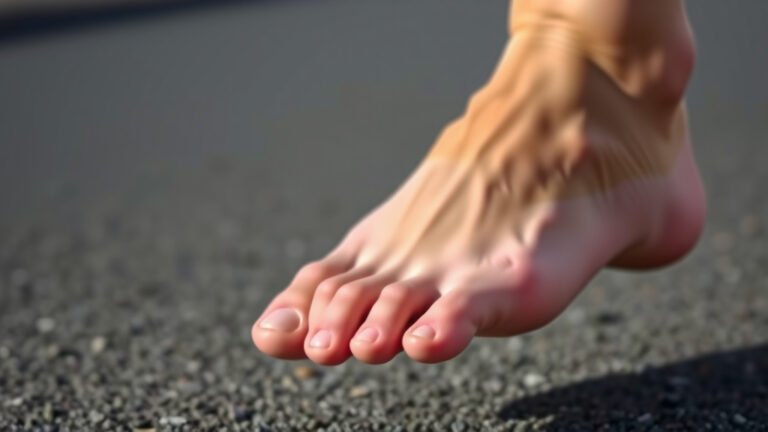
You can do a simple “wet test” at home. Wet the bottom of your foot. Step onto a piece of paper or a dry surface. Look at the footprint you leave behind. A full footprint suggests flat arches. A print with a very thin line or no connection between the heel and the ball of your foot indicates a high arch. A print with a visible curve but a connection is usually a normal or neutral arch.
What to Look For in a 5k Shoe
For a 5k, you don’t necessarily need the most advanced marathon shoe. You want something that feels responsive and comfortable. We found that many runners prefer shoes with a good balance of cushioning and a little bit of responsiveness. This means the shoe helps propel you forward slightly.
Cushioning: Finding the Sweet Spot
Cushioning protects your joints from impact. But too much can make a shoe feel heavy or mushy. Too little can leave your feet feeling beat up. For a 5k, a moderate level of cushioning is often ideal. It should feel protective but not sluggish. Some runners prefer a firmer feel for a quicker turnover.
Support and Stability
Shoes are often categorized by their support level. Neutral shoes are for those with a balanced stride. Stability shoes offer features to control overpronation. Motion control shoes provide maximum support for severe overpronation. Many experts recommend choosing a shoe that matches your natural foot motion (American Podiatric Medical Association).
The Importance of Fit
This is non-negotiable. A shoe that doesn’t fit well can cause blisters, pain, and even injuries. You want about a thumb’s width of space between your longest toe and the end of the shoe. The heel should feel secure, not slipping up and down. The midfoot should feel snug but not tight. Always try shoes on later in the day when your feet are slightly swollen.
Putting Theory into Practice: Trying Them On
You’ve got your foot type in mind and know what features to look for. Now comes the fun part: trying on shoes! Go to a reputable running store if possible. Their staff are usually very knowledgeable. They can often analyze your gait and suggest appropriate models.
The Feel Test: How They Run
Once you have a few pairs you like, take them for a short jog around the store or on a treadmill if available. This is often called the “shakeout run” by experienced runners. How do they feel when you’re actually moving? Do they feel natural? Are there any hot spots or rubbing? Trust your gut feeling.
| Feature | What It Is | Why It Matters for 5k |
|---|---|---|
| Cushioning | Absorbs shock from impact. | Protects joints, provides comfort. Moderate is often best. |
| Support/Stability | Helps control foot motion (pronation). | Matches your arch type to prevent strain. |
| Fit | How the shoe conforms to your foot shape. | Prevents blisters and discomfort. Essential for enjoyable running. |
| Responsiveness | How much energy return the shoe offers. | Helps you feel quicker and more efficient. |
| Weight | How heavy the shoe feels on your foot. | Lighter shoes can feel faster, but ensure they still offer comfort. |
Your 5k Shoe Checklist: Quick Recap
Ready to hit the store? Keep these points in mind:
- Check your arch type before you go.
- Aim for a shoe that feels comfortable immediately.
- Ensure there’s about a thumb’s width of space in the toe box.
- The heel should not slip.
- Try to jog briefly in the shoes to test them out.
- Don’t be afraid to ask store staff for help.
Finding the right running shoes is an investment in your comfort and performance. You’re setting yourself up for success on your 5k journey.
“`
Conclusion
You’ve gathered the essential knowledge to select your ideal 5k running shoes. Remember, the best shoe feels right for your unique feet. Prioritizing fit, appropriate cushioning, and the correct arch support will make a noticeable difference. You’ve learned to check your arch type and what features to look for. Now, your next step is clear: visit a running store. Try on several pairs, and don’t hesitate to go for that short jog to truly test their feel. Your perfect pair is waiting to help you hit your 5k goals comfortably!
Frequently Asked Questions
Do I need special shoes just for a 5k?
Not necessarily. You don’t need a super-specialized marathon shoe, but you do need a running shoe that fits well and suits your foot type. For a 5k, a shoe with a good balance of cushioning and responsiveness is often ideal. Comfort and proper support are key, regardless of the distance.
How do I know if a shoe fits correctly?
A proper fit means about a thumb’s width of space between your longest toe and the shoe’s end. Your heel should feel secure without slipping, and the midfoot should be snug but not tight. Always try shoes on later in the day when your feet are naturally a bit larger.
Can I wear any running shoe for my arch type?
It’s best to match the shoe to your arch type. If you have flat feet or tend to overpronate, you might need stability shoes. If you have high arches, you might benefit from more cushioning. Neutral runners usually do well in neutral shoes. Understanding your arch type helps prevent discomfort and potential injuries.
Is it okay to buy running shoes online?
Buying online can be convenient, but it’s risky if you haven’t tried the exact model before. If you know your exact size and preferred brand/model, it can work. However, for your first pair or when trying a new brand, visiting a physical running store is highly recommended. This allows you to try them on and get expert advice.
How often should I replace my running shoes?
Most running shoes last between 300 to 500 miles. For a 5k runner, this could mean replacing them every few months to a year, depending on your weekly mileage. Look for signs of wear, like worn-down tread or a loss of cushioning. If they feel less supportive or comfortable, it’s likely time for a new pair.