Running Shoe Stack Height Explained: A Complete Guide
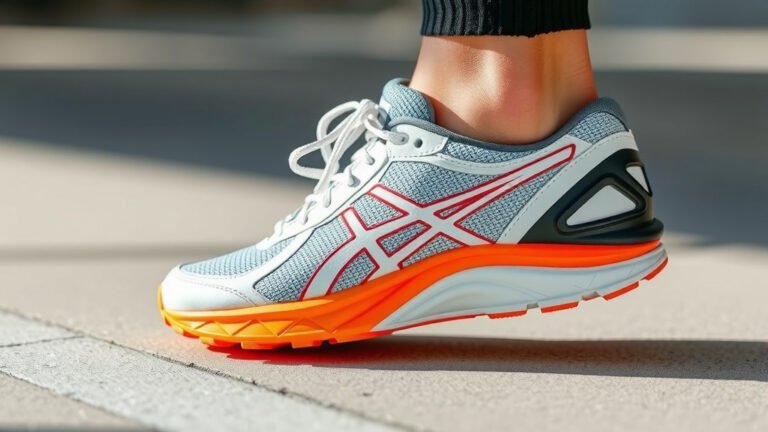
Stack height is simply the amount of foam between your foot and the ground in a running shoe, measured in millimeters at the heel. The lower the number, the closer you are to the ground. The higher the number, the more cushioning you feel with every stride.
Why does this matter to you? Because stack height affects how your shoes feel, perform, and protect your legs. A thick, plush ride can feel amazing on long runs, while a thinner sole often gives you better ground feel and control. And then there’s the heel-to-toe drop, which is closely tied to stack height and often gets mixed up with it. Many experts say picking the right stack for your running style can make a real difference in comfort and injury risk.
TL;DR:
- Stack height = the thickness of foam under your foot, measured in millimeters.
- High stack (30mm+) means more cushioning and shock absorption.
- Low stack (under 20mm) means better ground feel and stability.
- Stack height is different from heel-to-toe drop, but the two work together.
- The “best” stack height depends on your body, pace, and the runs you do.
Confused yet? Don’t worry — we researched what podiatrists, coaches, and shoe designers actually recommend, and we break it all down below. Let’s find the right stack for your feet.
What Stack Height Really Means for Your Runs
Think of stack height as the mattress under your feet. Some runners want a pillow-top; others prefer sleeping on the floor. Neither choice is wrong — it just depends on what your legs need that day.
Shoe brands measure stack at two points: the heel and the forefoot. Those two numbers tell you almost everything about how a shoe will feel under you.
How Stack Height Is Measured (Without the Confusion)
Measurement sounds technical, but it’s simple. Brands measure the foam thickness at the center of the heel and the ball of the foot. If a shoe says “36mm heel / 28mm forefoot,” that’s your stack.
Heel Stack vs. Forefoot Stack
The heel number gets all the attention because most runners land heel-first, at least on easy runs. But the forefoot number matters too, especially if you run hills or toe off aggressively.
Where Drop Fits Into the Picture
Drop is just the difference between those two numbers. A shoe with 36mm at the heel and 28mm at the forefoot has an 8mm drop. Same shoe, two related specs.
A Quick Example You Can Picture
Imagine standing on two phone books stacked evenly — that’s a high stack with zero drop. Now imagine one thick book under your heel and one thin magazine under your toes. That’s drop in action. We found this analogy clicks faster for most runners than any diagram.
Low, Medium, and High Stack: What Each One Does
Here’s the simple breakdown we put together so you can match numbers to feelings.
| Stack Level | Heel MeasurementBest For | Trade-Off | |
|---|---|---|---|
| Low | Under 20mm | Ground feel, stability, shorter runs | Less shock protection |
| Medium | 20–30mm | Daily training, most runners | Balanced, no big weakness |
| High | 30mm+ | Long runs, recovery days, heavier impact | Taller feel, some wobble |
One note on the table: high-stack shoes can feel slightly tippy at first because your foot sits farther from the road. Give your ankles a few runs to adjust.
Does More Foam Actually Protect You More?
This is the question everyone asks, and the honest answer is: sort of. More foam softens each landing, which your knees will thank you for. But research from NCBI suggests that highly cushioned shoes don’t automatically lower injury rates for everyone.
Why? Because your body adjusts. Some runners land harder in soft shoes without realizing it. Many experts say technique and training load matter more than foam thickness alone (Cleveland Clinic also stresses gradual mileage increases over any single shoe feature).
The Stability Trade-Off Nobody Warns You About
A wide, tall midsole can actually be stable — think of a wide platform on a tall building. But a narrow, tall one can roll under your foot on uneven trails. If you’re clumsy on roots and rocks (no judgment), a lower stack or a wide-base high-stack shoe may serve you better.
Choosing the Right Stack for Your Running Style
Match the stack to the run, not the other way around. Here’s how we’d sort it out.
If You’re a Beginner
Start with a medium stack, around 24–30mm at the heel. You get enough cushion while your legs and tendons build strength. Beginner bodies are still adapting, and jumping straight into maximalist foam can mask problems rather than solve them.
If You Run Long Distances
Marathoners often reach for high-stack trainers. When you’re three hours into a long run, extra foam isn’t luxury — it’s relief. Many recreational racers we researched keep one high-stack shoe for long days and one firmer pair for faster sessions. Our guide to marathon shoe cushioning walks through what long-distance runners should prioritize.
If You Want Speed
Race-day shoes lean high but stiff, using plates plus responsive foam. Daily tempo shoes usually sit in the middle. Ground feel still matters when you’re turning your legs over quickly.

Trail vs. Road: Does the Surface Change the Answer?
Yes, quite a bit. Roads are predictable, so tall, soft stacks shine. Trails punish wobbliness, so many trail runners pick a lower stack with grippy lugs. You trade a little plushness for a lot of control. Running technical descents in a max-cushion shoe can feel like walking a balance beam on roller skates.
Your Quick Stack-Height Checklist
Before you buy, run through this short list:
- Check the heel stack number on the product page, not just the marketing photos.
- Find the forefoot number too, and subtract to get the drop.
- Match stack to your longest typical run, not your dream race.
- If you have a history of ankle sprains, lean lower or wider (Mayo Clinic notes balance training helps here too).
- Try the shoe on and jog in it — store test runs beat online guesses every time.
- Rotate two pairs if you can; your feet enjoy variety.
Common Stack-Height Myths, Busted
We found three myths come up again and again, so let’s knock them out.
“Low Stack Fixes Everything”
Not quite. Minimalist fans claimed barefoot-style shoes would end injuries for good. Follow-up research told a messier story: runners who switched too fast got hurt more, not less (NIH-published studies tracked this transition period closely). Change slowly or pay the price.
“High Stack Weakens Your Feet”
Only if it’s the only shoe you ever wear. Your feet stay happy with variety — some cushioned miles, some barefoot time around the house, and simple foot strengthening moves. Podiatrists often recommend calf and foot exercises alongside any shoe choice (Cleveland Clinic).
What to Ask Yourself Before Your Next Shoe Purchase
Ask three simple questions. What surface do I run on most? Do my joints ache after long runs, or do my ankles feel unstable? And honestly — do I care more about cloud-soft comfort or feeling every step? Your answers point straight to your ideal stack. There’s no universal right answer, just the right answer for you.
Conclusion
Stack height isn’t marketing fluff — it’s one of the most useful numbers on a shoe label. We’ve found that matching foam thickness to your typical runs beats chasing any single “perfect” number. Remember the basics: low stack for ground feel, medium for daily miles, high for long, soft efforts. And don’t forget that drop is a separate spec working alongside it.
Your next step? Check the heel and forefoot numbers on your current pair. Then decide whether that setup is serving you — or whether it’s time to try something different on your next run.
Frequently Asked Questions
Is a higher stack height always more comfortable?
Usually softer, yes, but comfort isn’t just about thickness. A tall shoe with firm foam can feel harsher than a shorter one with plush foam. Fit and midsole material matter as much as the number itself.
Can I run a marathon in low-stack shoes?
You can, if your legs are trained for it. Some experienced runners prefer minimal shoes even at long distances. If you’re newer to marathoning, we’d suggest a mid-to-high stack for the extra late-race protection.
Does stack height change my running form?
It can, subtly. Extra cushioning often encourages a slightly longer stride, while lower stacks tend to nudge you toward quicker steps. The changes are usually small, so run naturally and don’t overthink it.
Why do my new high-stack shoes feel tippy at first?
Your ankles need time to adjust to sitting farther off the ground. Give them four to six easy runs before making a judgment. If they still feel unstable after that, look for a wider-based model.
Are stack heights the same across shoe brands?
The millimeter measurements are consistent, since World Athletics standardized how they’re measured for racing shoes. But feel varies a lot between brands because of different foams and geometries. Always try shoes on when you can.