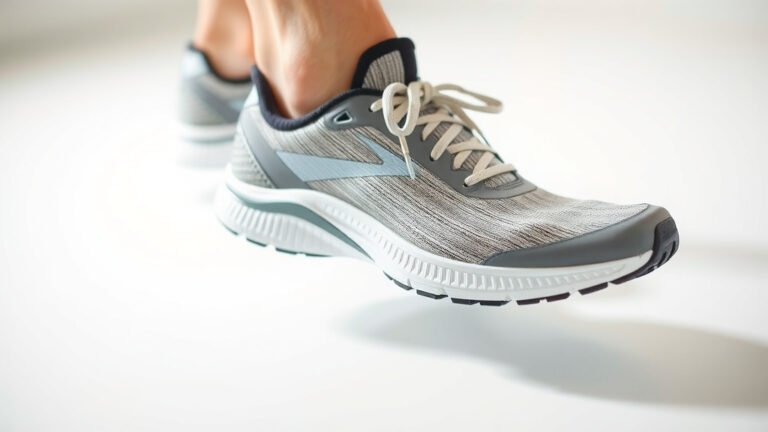
How to Break in Running Shoes: A Quick Guide
You don’t need to break in running shoes in the traditional sense. Modern running shoes are made with soft materials that feel comfortable right out of the box. Your main goal is to get your body used to them, not the shoes themselves. We found that proper fit and gradual mileage are key to making new shoes feel great.
Think of it less as “breaking in” and more as a gentle introduction. Your feet and legs need time to adjust to any new cushioning, support, or even a slightly different shape. This helps prevent discomfort and potential injuries. Many runners learn this the hard way, so let’s avoid that!
- New shoes usually don’t need a break-in period.
- Focus on getting your body used to them.
- Start with short runs.
- Gradually increase your mileage.
- Listen to your body for any pain.
Ready to get your new kicks road-ready? Let’s walk through the best way to transition into your new running shoes.
Easing Into Your New Running Shoes
Modern running shoes are designed for immediate comfort. You don’t typically need a lengthy break-in period like old leather boots. Your main goal is to let your feet adjust to any new feel. We found that a gentle transition helps prevent soreness and potential injuries. Think of it as a handshake between your feet and the new shoes.
Why a Gentle Approach Matters
New shoes might have different cushioning or support than your old pair. Your body needs time to adapt to these subtle changes. This helps you avoid common issues runners face. It’s all about making sure your new shoes feel like an extension of you, not a foreign object.
Common Discomforts to Watch For
You might experience mild rubbing or a feeling of stiffness initially. These are usually temporary. If you feel sharp pains or blisters, that’s a sign to back off slightly. Many experts recommend paying close attention to these signals (Cleveland Clinic).
Your Step-by-Step Transition Plan
We’ve put together a straightforward plan to help you get started. This approach is designed to be safe and effective. It ensures your new shoes become your reliable running partners.
Start with Short, Familiar Runs
The first step is simple: wear your new shoes for your shortest, easiest runs. Aim for runs you know well. This could be a 1-2 mile jog around your neighborhood. The goal is minimal stress on your feet. We found this allows your feet to get acquainted with the shoe’s feel.
Listen to Your Feet on Day One
After your first short run, take them off. How do your feet feel? Any hot spots or unusual pressure? This initial feedback is important. It helps you gauge how your body is responding. We found that noticing these small details early prevents bigger problems.
Gradually Increase Mileage
Once your feet feel good in the new shoes for short runs, it’s time to extend. Add a mile or two to your next few runs. Don’t jump straight to your longest run of the week. Continue to monitor how your feet and legs feel throughout the run and afterward.
Mix and Match for a Smooth Transition
You don’t have to wear your new shoes for every single run. Many runners find success by alternating. Wear your new shoes for one run and your older, comfortable pair for the next. This provides variety and reduces the load on your feet. We found this method helps prevent overuse issues. You don’t have to wear your new shoes for every single run; many runners find success by alternating new and old shoes for a few runs.
Introduce Them to Different Terrains (If Applicable)
If you run on various surfaces, introduce your new shoes gradually to each. Start with familiar, well-maintained paths. Then, try them on a slightly softer trail or a track. This helps your feet adjust to different levels of impact and grip. We found this approach is beneficial for trail runners especially.
| Run Day | Shoe Usage | Estimated Mileage | Notes |
|---|---|---|---|
| Day 1 | New Shoes | 1-2 miles | Easy pace, familiar route |
| Day 2 | Old Shoes | 3-4 miles | Regular run |
| Day 3 | New Shoes | 2-3 miles | Slightly longer, listen to feet |
| Day 4 | Rest or Cross-Train | N/A | Allow recovery |
| Day 5 | New Shoes | 3-4 miles | Assess comfort and adjust |
The Importance of Proper Fit First
Even with a perfect break-in strategy, a shoe that doesn’t fit right won’t feel good. Ensure your shoes were properly fitted at a running store. There should be about a thumb’s width of space between your longest toe and the end of the shoe. We found that good fit is the foundation of comfortable running.
When to Consider New Shoes
Your new shoes should start feeling comfortable within the first 20-30 miles. If after this period you still experience significant discomfort or pain, they might not be the right shoe for you. Many running experts suggest giving shoes a fair chance but also knowing when to make a change (Runner’s World).
Your New Shoe Transition Checklist
- Start with short, easy runs in your new shoes.
- Listen closely to your body for any discomfort.
- Gradually increase the distance of runs in new shoes.
- Consider alternating new and old shoes for a few runs.
- Ensure your shoes have a proper fit from the start.
- If pain persists after 30 miles, they may not be the right fit.
Conclusion
Breaking in new running shoes is more about letting your body adjust than the shoes themselves. You’ve learned that modern shoes offer comfort right away, so the focus shifts to a gradual introduction. By starting with short runs and slowly increasing mileage, you allow your feet and legs to adapt to any subtle changes. Alternating with older shoes can also help. Always remember that a proper fit is the foundation for any successful shoe transition. Trust your body’s signals, and you’ll soon be enjoying your new kicks on many happy miles.
Frequently Asked Questions
Do I need to wear my new running shoes around the house first?
While some people do this, it’s generally not necessary for modern running shoes. The main goal is to let your feet get used to them during actual running movements. Wearing them around the house might give you a false sense of comfort that doesn’t translate to your runs.
What if my new shoes feel a little stiff at first?
A little initial stiffness is normal, especially if the shoe offers more support than your old pair. You should expect this to ease up within the first few runs. If the stiffness causes rubbing or pressure points, consider shortening your next run or alternating with an older pair.
How long should it take for my new shoes to feel comfortable?
Most runners find their new shoes feel comfortable within the first 20 to 30 miles. During this period, you’re gradually increasing mileage and letting your body adapt. If discomfort persists well beyond this mileage, the shoe might not be the right fit for you.
Can I wear my new shoes for a long run right away?
No, it’s best to avoid wearing new shoes for your longest runs initially. This can put too much stress on your feet and legs before they’ve had a chance to adapt. Stick to shorter, familiar routes until you’ve built up confidence in their feel.
What’s the best way to know if my new running shoes fit correctly?
A proper fit means there’s about a thumb’s width of space between your longest toe and the shoe’s end. Your heel should feel secure without slipping, and the midfoot should feel snug but not tight. You shouldn’t feel any pinching or excessive pressure points.