Does Shoe Weight Matter for Running? What Science Says
Yes, shoe weight matters for running, but maybe less than you think. A lighter shoe can help you run faster, especially over short distances. But comfort, fit, and cushioning often play a bigger role in how you actually feel on a run.
Here’s the thing: shaving a few ounces off your shoes won’t turn you into an Olympian overnight. We researched what runners and coaches actually say, and we found that your pace, distance, and goals matter more than the number on the scale of your shoe. Many experts say heavier runners and beginners may even benefit from a bit more shoe underfoot.
- Lighter shoes can improve speed, mainly for races and tempo runs.
- Heavy training shoes offer more cushioning and protection for everyday miles.
- The difference of a few ounces is small for most casual runners.
- Fit and comfort beat weight almost every time.
- Racing shoes and daily trainers serve different jobs, so pick for the day.
So how much does shoe weight really change your run, and when should you care? Below, we break down everything you need to know about shoe weight, step by step, so you can pick the right pair with confidence.
How Shoe Weight Changes the Way You Run
Shoe weight affects your running in two main ways: how much energy you spend and how fresh your legs feel. A lighter shoe asks less of your muscles with every stride. Over a short run, that saving is tiny. Over a marathon, it can add up.
Think of it like carrying a grocery bag. One apple? You won’t notice. Ten pounds of canned beans? Your arms will file a complaint by block three.
What Research Says About Lighter Shoes
We found several studies showing that lighter shoes can lower the energy cost of running. Researchers publishing through the National Library of Medicine tested runners in shoes of different weights and found that heavier shoes generally demand more effort from the body. The difference per step is small, but it repeats thousands of times per run.
Here’s the catch: those gains show up best at faster paces. If you’re jogging at a casual pace, a few ounces won’t move the needle much. If you’re chasing a personal best, it might.
The Cost of Each Ounce
Many coaches use a simple rule of thumb: every 3.5 ounces (about 100 grams) added to a shoe can raise energy cost by roughly 1 percent. That figure comes from classic exercise science studies on added shoe mass. One percent sounds boring until you remember a marathon takes about 40,000 steps. Small numbers get loud over long distances.
But don’t overthink it. Your fitness, sleep, and training plan all dwarf what your shoes weigh.
Do You Need Light Shoes for Races Only?
For most runners, yes. Weight matters most when speed is the goal. Many experts suggest saving ultralight shoes for races and hard tempo days, then wearing a sturdier trainer for everything else.
Race Day and Speedwork Shoes
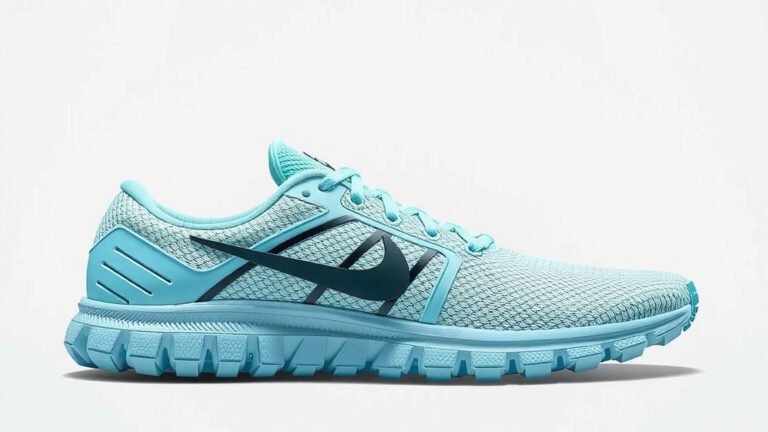
Racing shoes today often weigh between 5 and 8 ounces. They trade cushioning and durability for a light, springy feel. That’s a fine trade for a 5K or a half marathon, where you only need the shoes to survive one day.
Run them into the ground during daily training, and you’ll burn through them fast. Plus, your legs may feel beat up from the thin cushioning.
Everyday Training Shoes
Daily trainers usually weigh between 8 and 11 ounces. They offer more cushioning, better support, and a longer lifespan. We found that most podiatrists and running store staff recommend these for the bulk of your weekly miles.
Why? Because comfort keeps you running consistently. And consistency, not shoe weight, is what actually makes people faster. The Cleveland Clinic notes that proper footwear with good cushioning helps reduce impact stress on your joints.
Shoe Weight Table: What’s on Your Feet?
Here’s a quick comparison so you know what “light” and “heavy” actually mean.
| Shoe Type | Typical Weight (Men’s) | Best Use |
|---|---|---|
| Racing shoe | 5–8 oz | Races, tempo runs |
| Lightweight trainer | 7–9 oz | Faster daily runs |
| Standard trainer | 9–11 oz | Everyday miles |
| Max-cushion shoe | 10–13 oz | Long runs, recovery days |
Notice how the range overlaps? That’s because shoe categories blur together. The fit and feel matter more than the label on the box.
Does Your Body Weight Change the Answer?
It can. Heavier runners generate more impact force with each step. A minimal, ultralight shoe offers less protection against that pounding. Many experts say runners with higher body weight often do better with more cushioning, even if the shoe weighs a bit more.
The same logic applies to beginners. When you’re new, your muscles and tendons are still adjusting to the demands of running. A slightly heavier, well-cushioned shoe gives your body time to build strength safely. CDC guidance on starting a running routine emphasizes gradual progress, and your footwear should support that, not fight it.
What About Long Runs?
Long runs are another spot where a little extra weight earns its keep. After two hours on your feet, your form gets sloppy. Tired legs land harder. Extra cushioning absorbs some of that stress, which may help you avoid sore calves the next morning. We found many marathoners rotate a heavier shoe for long runs and a lighter one for race day.
What Matters More Than Shoe Weight
If weight isn’t the whole story, what is? We found that these factors rank higher for most runners:
- Fit: A shoe that matches your foot shape beats a lighter shoe that pinches your toes.
- Cushioning: Softer landings protect your knees and hips over many miles.
- Durability: Most trainers last 300 to 500 miles, per common manufacturer guidelines.
- Your goals: Chasing a PR? Weight matters. Jogging for health? Comfort wins.
- Rotation: Many coaches suggest two pairs so you can match the shoe to the run.
Mayo Clinic guidance on choosing athletic shoes puts fit at the top of the list, and we’d agree. blisters and black toenails don’t care how light your shoes are.
Your Shoe-Buying Checklist
Before you buy, run through this quick list:
- Tried the shoes on at the end of the day, when feet are swollen?
- Left a thumb’s width of room in the toe box?
- Checked the weight, but weighed it against comfort?
- Matched the shoe to your main run type (easy, long, or fast)?
- Walked and jogged a few steps in them before paying?
- Planned to replace them every 300 to 500 miles?
So, Should You Buy Lighter Shoes?
Maybe. If you’re racing or doing speedwork, a lighter pair can give you a small, honest edge. If you’re logging easy miles or building up as a new runner, a comfortable daily trainer will serve you better.
Our take after digging through the research and runner reviews: buy the shoe that fits your feet and your routine first. Let weight be the tiebreaker, not the deciding vote. Your legs will thank you around mile eight.
Conclusion
Shoe weight matters, but it should never be the first thing you check. Lighter shoes can give you a small boost on race day, while a cushioned trainer keeps your legs happy through everyday miles. Fit, comfort, and matching the shoe to your run will always beat a few saved ounces. If you have heavier body weight or you’re new to running, don’t chase the lightest option on the shelf. Our advice? Pick your main run type first, try shoes on in the afternoon, and let weight break a tie between two pairs you love. Then go log some miles and see how they feel.
Frequently Asked Questions
How much lighter do running shoes need to be to make a difference?
Most coaches point to the 100-gram rule: every 3.5 ounces removed can improve energy cost by about 1 percent. That means a savings of 2 or 3 ounces will feel noticeable only at faster paces or longer distances. For casual jogging, you likely won’t feel a thing.
Are heavy running shoes bad for you?
No. A heavier shoe usually just means more cushioning and support, which many runners need. We found that podiatrists often recommend sturdier shoes for beginners, heavier runners, and long runs. A heavy shoe is only a problem if it doesn’t fit well or causes discomfort.
Can I train in my racing shoes every day?
You can, but we don’t recommend it. Racing shoes have thin cushioning that wears out quickly, often within 200 miles or less. Save them for races and speedwork so they stay fresh, and use a durable trainer for your daily miles.
Do lighter shoes make you run faster in a 5K?
They can help a little, especially if you’re already a trained runner pushing your pace. Research suggests the energy savings show up best at speeds near race effort. Still, your fitness and pacing strategy will decide far more of your finish time than your shoe weight will.
Should heavier runners avoid lightweight shoes?
Not always, but extra cushioning is usually the smarter pick. Heavier runners create more impact force with each stride, and a minimal shoe offers less protection against that pounding. Many running store staff suggest a well-cushioned trainer that weighs a bit more but keeps joints comfortable.