Running Shoes Hurting Your Heels? Find Relief Today
You can stop heel pain from running shoes by finding the right fit and making sure your shoes offer good cushioning and support. Often, heel pain comes from shoes that are too tight, too loose, or lack the proper support for your foot type. Sometimes, simple adjustments like adding an insole can make a huge difference.
Ignoring heel pain can turn a minor annoyance into a major problem. It’s important to understand what’s causing the discomfort in your running shoes. We’ve found that focusing on shoe construction and how it matches your running gait is key to lasting relief. Don’t let foot pain sideline your runs!
- Check your running shoe’s fit (length and width).
- Ensure adequate arch support and heel cushioning.
- Consider orthotic insoles for extra support.
- Replace worn-out running shoes regularly.
Ready to say goodbye to that nagging heel pain? Let’s walk through exactly how to choose and adjust your running shoes for maximum comfort.
Fixing Heel Pain from Your Running Shoes
Heel pain can really put a damper on your runs. The good news is, it’s often solvable with the right running shoe adjustments. We’ve found that understanding how your shoes fit and support your feet is the first step. Let’s get your feet feeling great again!
Assessing Your Running Shoe’s Fit and Feel
Your running shoes should feel like a comfortable extension of your feet, not a source of pain. A proper fit is absolutely essential for preventing discomfort, especially in the heel area.
The Importance of Proper Shoe Length
When you try on running shoes, there should be about a thumb’s width of space between your longest toe and the end of the shoe. This prevents your toes from jamming into the front of the shoe during your stride. If your shoes are too short, your heel can get pushed forward uncomfortably.
Checking the Shoe Width
A shoe that’s too narrow can squeeze your foot, leading to all sorts of pain, including in your heel. Your foot should feel snug but not constricted. You should be able to wiggle your toes freely. If the sides of your shoe dig into your foot, it’s likely too narrow.
Ensuring Adequate Heel Counter Support
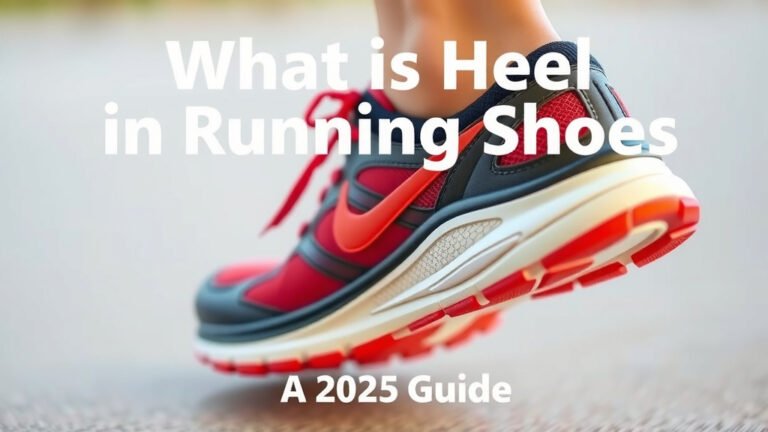
The heel counter is the stiff cup at the back of your shoe. It’s designed to hold your heel in place. If this part of the shoe is too soft, worn out, or not shaped correctly for your foot, your heel can slide around. This friction and instability can easily lead to heel pain.
Cushioning and Support: Your Heel’s Best Friends
Beyond just fit, the internal construction of your running shoes plays a huge role in keeping your heel happy. Look for shoes that offer good shock absorption and stability.
Understanding Cushioning Levels
Running shoes come with varying degrees of cushioning. If you’re experiencing heel pain, especially on hard surfaces, you might need a shoe with more cushioning. This extra padding acts like a shock absorber for your heel when it strikes the ground. We’ve found that runners who land harder often benefit from plush cushioning.
Arch Support and Your Foot Type
Your arch type significantly impacts how your foot lands and absorbs shock.
- High arches: These feet tend to have less surface area on the ground, which can mean less natural shock absorption. You might need shoes with extra cushioning and flexibility.
- Normal arches: Most runners fall into this category and can wear a wide variety of shoes, usually looking for a balance of cushioning and support.
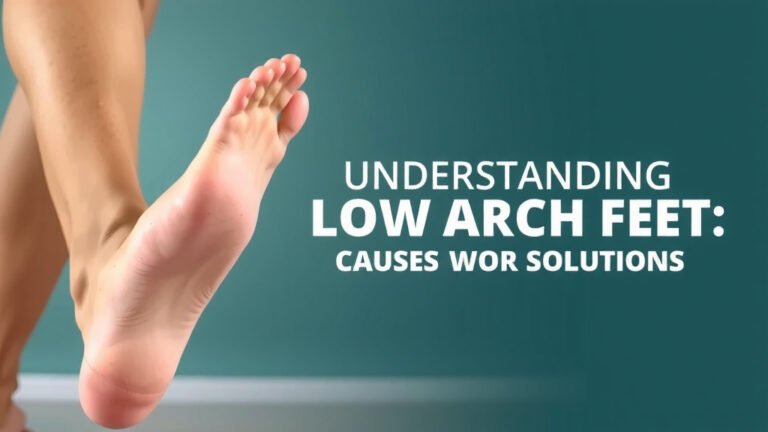
- Flat arches (or low arches): These feet tend to overpronate, meaning they roll inward excessively. This can put extra stress on the heel. You’ll likely need shoes with good stability and motion control to guide your foot’s natural movement.
The Role of Insoles and Orthotics
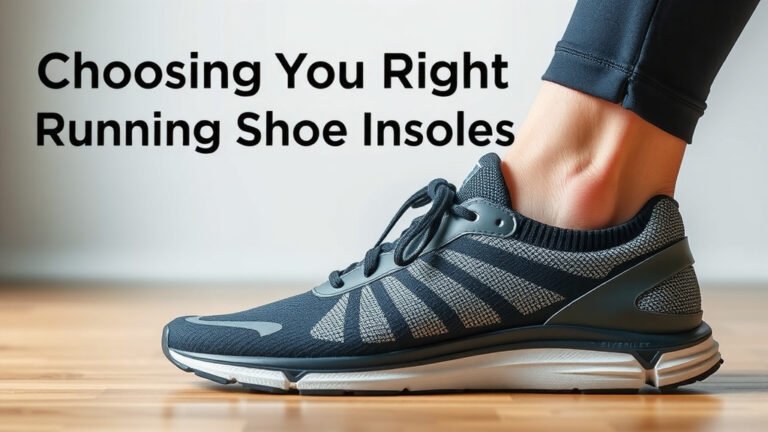
Sometimes, the cushioning or support built into your running shoes isn’t enough. This is where insoles, also known as inserts or orthotics, come in. They can add:
- Extra cushioning for your heel.
- Better arch support tailored to your foot.
- Heel cups to help stabilize your heel and prevent slippage.
When It’s Time to Replace Your Running Shoes
Running shoes don’t last forever. Their supportive structures and cushioning break down over time, even if they look okay on the outside. This is a common culprit for developing heel pain.
Mileage Matters
Most manufacturers and running experts recommend replacing running shoes every 300 to 500 miles. This is a general guideline, and factors like your weight, running surface, and foot strike can affect shoe lifespan.
Signs Your Shoes Are Worn Out
Here are some tell-tale signs:
- The midsole (the spongy part of the shoe) feels compressed or less responsive.
- The tread is worn down unevenly.
- You start to experience new aches and pains, especially in your heels or feet.
- The shoe no longer feels supportive.
Quick Checklist for Happier Heels
To recap, here’s a quick way to check if your shoes are causing your heel pain:
- Space check: Ensure about a thumb’s width of space at the toe.
- Width test: Your foot should feel snug, not squeezed.
- Heel grip: Does the heel cup hold your heel securely?
- Cushion feel: Does the sole still feel responsive and soft?
- Arch match: Does the shoe support your natural arch?
- Mileage log: Have you hit the 300-500 mile mark recently?
Conclusion
You’ve learned how vital the right running shoe is for a pain-free stride. We found that focusing on fit, adequate cushioning, and proper support can solve most heel pain issues. Remember to regularly check your shoes for wear and tear; worn-out shoes are a common cause of discomfort.
Your next step is to take these tips to your local running store or analyze your current shoes. Finding that perfect pair or making a simple adjustment like adding an insole will help you get back to enjoying your runs without heel pain. Your feet will thank you!
Frequently Asked Questions
What if my running shoes feel fine at first but cause heel pain after a few miles?
This often means the cushioning or support is breaking down during your run. Your shoes might be nearing the end of their lifespan, or they might not offer enough shock absorption for the duration of your activity. We suggest checking your shoe’s mileage or trying a shoe with more substantial cushioning.
Can I fix heel pain by just wearing thicker socks?
Thicker socks might offer a little extra cushioning, but they usually aren’t a long-term solution for persistent heel pain. The underlying issue is often with the shoe’s structure, not just the immediate padding around your foot. Focus on the shoe’s fit, support, and overall condition.
How do I know if my running shoes have enough arch support for my foot type?
The best way to know is to understand your arch type through a gait analysis at a specialty store. If you have flat feet, you likely need shoes designed for stability to prevent overpronation. High arches may benefit from more flexibility and cushioning. Your current shoes should feel comfortable and not cause strain on your arch.
Are over-the-counter insoles as good as custom orthotics for heel pain?
Over-the-counter insoles can provide excellent support and cushioning for many runners and are a great starting point. Custom orthotics are made specifically for your feet and may offer more precise correction for biomechanical issues. If OTC options don’t fully resolve your pain, consulting a podiatrist for custom orthotics is a good idea.
Is it possible that my running form is causing my heel pain, not my shoes?
Yes, running form can absolutely contribute to heel pain. Issues like overstriding or landing too heavily on your heel can increase impact. While great shoes provide a foundation, sometimes a running coach can help you adjust your stride to reduce stress on your heels. We recommend addressing both shoe fit and running mechanics for the best results.