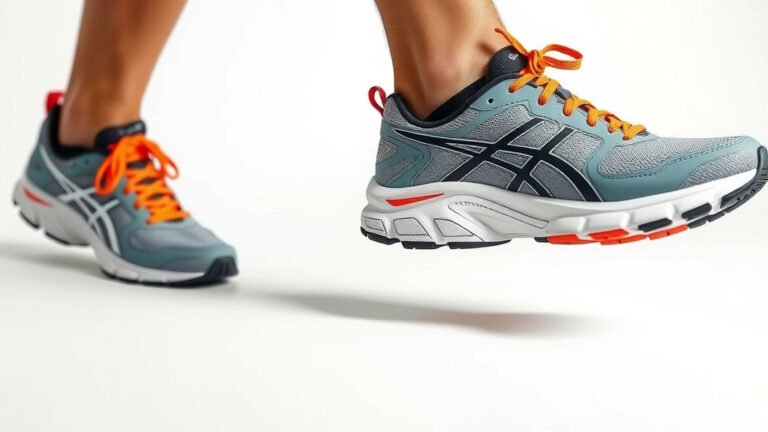
What is a Gaiter Attachment on Trail Shoes
A gaiter attachment on a trail shoe is a built-in or add-on feature that wraps around your ankle. It’s designed to keep debris out of your shoes. Think of it as a built-in sock or a shield for your feet on the trail.
This handy addition helps prevent pesky things like dirt, rocks, twigs, and even snow from getting inside your shoes. Many hikers find gaiter attachments make their runs and hikes much more comfortable. It means less stopping to empty your shoes, which is always a win on the trail!
- Gaiter attachments stop trail gunk from entering your shoes.
- They are often built into the shoe or can be added.
- You’ll enjoy fewer stops to clean out your footwear.
- This feature enhances comfort on rough terrain.
- It can also provide a bit of extra warmth in cooler weather.
Below, we’ll break down exactly what a gaiter attachment is and why you might want it on your next pair of trail shoes.
Understanding Gaiter Attachments on Your Trail Shoes
So, what exactly is this gaiter attachment thing on trail shoes? Think of it as a built-in ankle cuff. It’s designed to seal the top of your shoe. Its main job is to keep trail debris out. This includes dirt, small rocks, twigs, and even pesky sand. Many hikers and runners swear by them. They say it makes their time on the trail much more enjoyable.
How Gaiter Attachments Work
These attachments typically wrap around your ankle. They create a barrier between your lower leg and your shoe. This barrier is usually made of stretchy, durable material. It often connects to the laces or the top edge of the shoe. Some gaiter attachments are integrated directly into the shoe design. Others are separate pieces you can add to your existing shoes. They work by covering the gap where your socks and shoe meet.
Integrated vs. Add-on Gaiters
Integrated gaiters are part of the shoe itself. They are sewn in or molded as one piece. This often means a cleaner look and a more secure fit. Add-on gaiters are usually sold separately. You can attach them to compatible shoes. This gives you more flexibility if you want gaiter protection without buying new shoes.
The Benefits You’ll Experience
The primary benefit is pretty obvious: keeping unwanted stuff out. Ever stopped your hike multiple times to pick out tiny rocks? It’s annoying, right? Gaiter attachments help eliminate that. They also offer a bit of warmth. This can be nice on chilly mornings or during shoulder seasons. Some models can even help keep your ankles a little drier. They offer a slight barrier against light rain or puddles.
Protection from Debris
We’ve all been there. You’re crushing a great trail, and suddenly, your sock feels weird. Yep, it’s a rock. Or maybe a burr. Gaiter attachments act like a sock for your sock. They create a snug seal around your ankle. This prevents most small particles from entering your shoe. This means fewer stops and a smoother, more continuous adventure.
Comfort and Convenience
Imagine hiking without constantly fiddling with your footwear. That’s the convenience gaiter attachments offer. They contribute to a more comfortable experience, especially on technical trails. You can focus more on the scenery and less on your feet. This is a big win for anyone who spends hours on the trail. It’s a simple feature that makes a noticeable difference.
Additional Warmth and Water Resistance
While not their main purpose, gaiter attachments can provide a little extra warmth. The material can help trap heat around your ankle. This is especially helpful if you hike in cooler weather. They also offer a bit of protection from light splashes. Think of them as a small shield against dew-covered grass or shallow puddles. They won’t keep your feet dry in a downpour, but they help with minor moisture.
Who Benefits Most from Gaiter Attachments?
Gaiter attachments are fantastic for almost any trail user. However, certain groups will find them particularly useful. If you love hiking or running on rocky, sandy, or dusty trails, these are for you. They are also great for anyone who dislikes getting debris in their shoes. Trail runners often appreciate them. Hikers who tackle varied terrain also benefit. Even backpackers can find them helpful for long-distance comfort.
Trail Runners
Trail runners often move at a faster pace. Stopping to clear out shoes can break their rhythm. Gaiter attachments help maintain that flow. They keep out the pebbles and grit that can cause blisters or irritation. Many dedicated trail running shoes now come with integrated gaiter systems. They are designed to be lightweight and unobtrusive.
Hikers and Backpackers
For hikers on longer treks, comfort is key. Preventing debris from entering your boots can save your feet from a lot of discomfort. This is especially true on multi-day trips where you can’t easily wash or change socks. Backpackers carrying heavy loads often appreciate any small comfort gains. Gaiter attachments are a simple way to achieve this.
What to Look For in Gaiter Attachments
When choosing shoes with gaiter attachments, consider a few things. You want a snug but comfortable fit around your ankle. The material should be durable and breathable. Look for how the gaiter attaches to the shoe. Is it secure? Is it easy to put on and take off? Some gaiters have a hook for your laces. Others use Velcro or specialized attachment points.
| Feature | Why It Matters |
|---|---|
| Material Durability | Needs to withstand trail elements without tearing. |
| Breathability | Helps prevent overheating and sweat buildup. |
| Attachment System | Ensure it’s secure and easy to use. |
| Ankle Comfort | Should be snug enough to seal but not too tight. |
| Ease of Cleaning | Gaiters can get dirty, so easy cleaning is a plus. |
Making the Most of Your Gaiter Attachments
Once you have shoes with gaiter attachments, use them! On dusty trails, they’ll keep your socks cleaner. On rocky paths, they’ll prevent those annoying pebbles. Even on wet grass, they offer a little extra protection. Make sure to clean them after particularly muddy or dirty outings. This helps maintain their effectiveness and keeps them looking good.
Attachment Best Practices
Always ensure the gaiter is properly secured before you hit the trail. If it’s a separate piece, double-check that it’s fastened correctly to your shoes. Research found that a loose gaiter can be just as ineffective as no gaiter at all. For integrated systems, inspect the connection points regularly. This helps ensure they remain secure over time.
Here’s a quick checklist to help you:
- Check gaiter material for wear and tear.
- Ensure the attachment points are secure.
- Clean gaiters regularly after use.
- Test the fit around your ankle for comfort.
- Confirm it seals well against your leg.
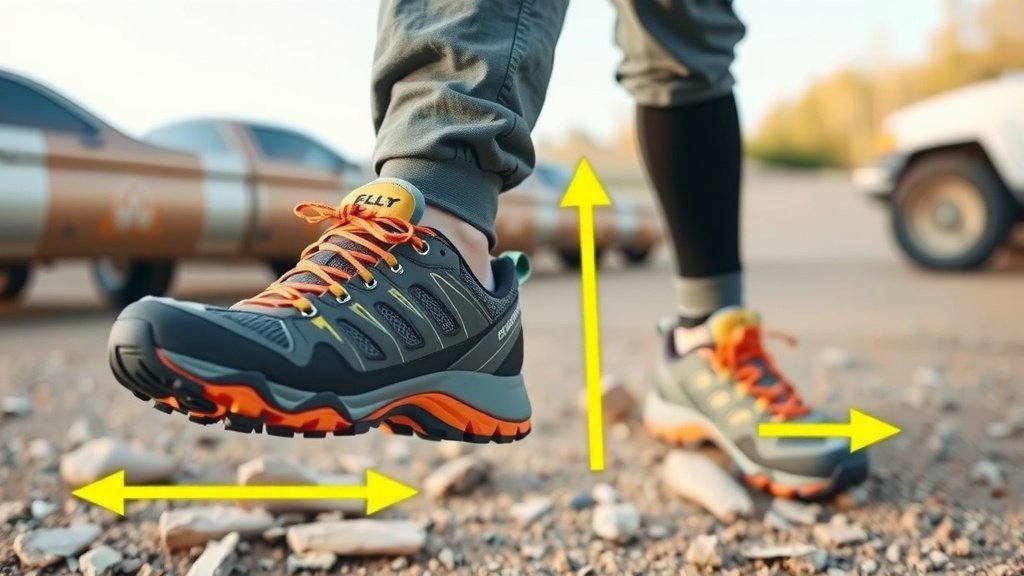
Conclusion
You’ve learned that gaiter attachments on trail shoes are more than just a fancy feature. They act as a practical shield, keeping your feet free from trail debris like rocks, dirt, and twigs. Whether integrated into your shoe or added on, they enhance comfort and reduce annoying stops. This simple addition can make a big difference on your hikes and runs. Consider them for your next pair of shoes to enjoy a smoother, cleaner trail experience.
Frequently Asked Questions
Do I really need gaiter attachments on my trail shoes?
You’ll benefit most if you frequently hike or run on dusty, sandy, or rocky trails. If you find yourself constantly stopping to remove pebbles from your shoes, gaiter attachments can significantly improve your comfort and experience. For most trail users, they offer a noticeable improvement.
Can I add gaiter attachments to any trail shoe?
Generally, add-on gaiters are designed for specific compatible shoes that have attachment points. Some universal gaiters exist, but their effectiveness can vary. Integrated gaiters are built into the shoe design and cannot be added later. Always check shoe compatibility before purchasing add-on gaiters.
Will gaiter attachments keep my feet completely dry?
Gaiter attachments offer a degree of protection against light moisture, like dew on grass or splashes from small puddles. However, they are not waterproof. For significant water protection, you’ll need waterproof trail shoes or gaiters specifically designed for water resistance.
How do I clean my gaiter attachments?
Most gaiter attachments can be cleaned with mild soap and water. Gently scrub away dirt and debris, then rinse thoroughly. Allow them to air dry completely before your next outing. Check the manufacturer’s care instructions for specific guidance.
Are gaiter attachments uncomfortable or bulky?
Modern gaiter attachments are typically made from lightweight, stretchy materials that are designed to be snug but comfortable. They are engineered to create a seal without restricting movement or adding significant bulk. Research has shown that a properly fitted gaiter feels unobtrusive.