Understanding Overpronation: Causes and Solutions
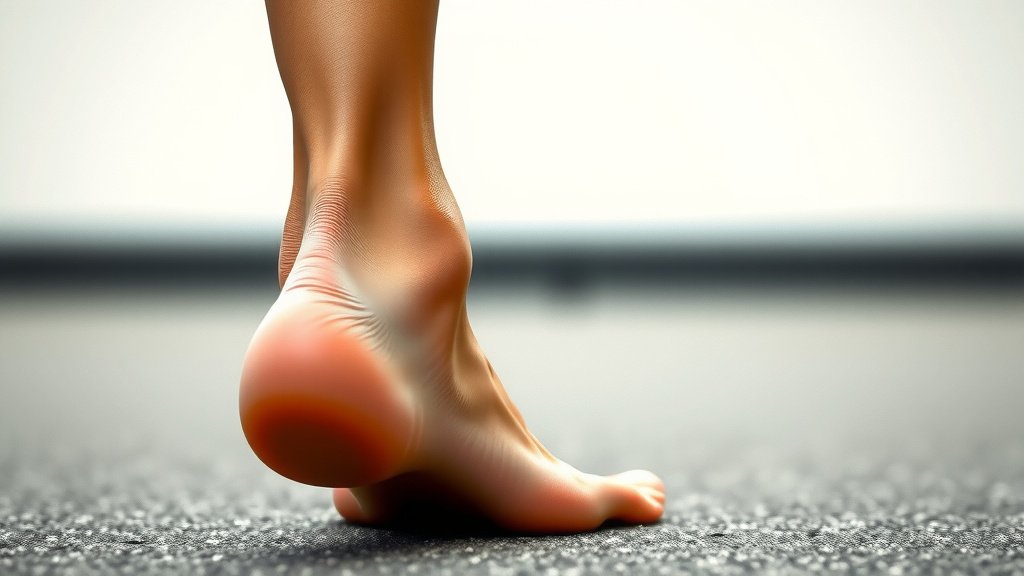
Overpronation is when your foot rolls inward excessively as you walk or run. This inward rolling motion is also called a “flat foot.” It happens when your arch collapses too much. This can sometimes lead to pain in your feet, ankles, or knees.
It’s a common gait issue that affects many people. Understanding overpronation is key if you experience foot pain. Many experts note that it can impact your overall posture. We’ve found that knowing the signs helps you find the right solutions.
- Overpronation is when your foot rolls inward too much.
- It’s often linked to having flat feet or a low arch.
- This can sometimes cause discomfort in your feet, ankles, and knees.
- Paying attention to how your feet move is important.
Let’s break down what overpronation is and what it might mean for you.
Understanding How Your Foot Rolls
So, your foot rolls inward a bit too much when you walk or run. We call this overpronation. It’s a common way people move their feet. Think of it like a car tire wearing out unevenly on one side. Your foot’s natural shock absorption system might be a little off-kilter.
What Does “Rolling Inward” Really Mean?
When you take a step, your foot naturally rolls inward slightly. This is called pronation. It helps your foot absorb shock and adapt to uneven surfaces. Overpronation happens when this inward roll goes too far. Your arch, the middle part of your foot, flattens out more than it should. This can put extra stress on certain parts of your foot and leg.
Why Does Overpronation Happen?
There are a few common reasons your feet might overpronate. Sometimes, it’s just how your feet are built. You might have a low arch or a foot that looks flatter even when you’re not bearing weight.
Arch Height Matters
Many experts say that arch height is a big factor. People with very high arches tend to underpronate (their foot doesn’t roll inward enough). Those with very flat feet or low arches are more prone to overpronating. We found that understanding your arch type is a good starting point.
Genetics and Foot Structure
Your foot’s structure can be passed down through your family. So, if your parents had feet that pronated a lot, you might too. Some people have a condition called tibial torsion, where the shin bone twists inward. This can also encourage overpronation. The shape of your heel bone can also play a role. It might angle outward, causing your foot to roll in more as you walk.
Muscle Weakness and Flexibility
The muscles in your feet and lower legs help control how your foot moves. If these muscles are weak or not flexible enough, they might not do their job well. For instance, weak calf muscles can sometimes contribute to overpronation. We found that flexibility exercises can often help improve this.
Signs You Might Be Overpronating
How can you tell if your feet are rolling inward too much? You might notice a few things. Often, the signs are related to how your shoes wear out or if you experience certain aches and pains.
Wear Patterns on Your Shoes
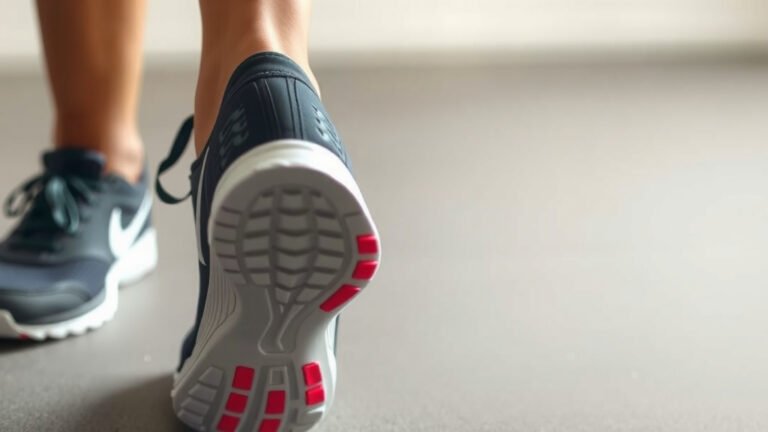
One of the easiest ways to spot overpronation is by looking at the soles of your shoes. We’ve seen that excessive inward rolling often leads to specific wear patterns. If the inside edge of your shoe’s sole is worn down more than the outside, it’s a big clue. You might see heavy wear on the sole, particularly towards the big toe side. The heel of the shoe might also show wear on the inner side.
Physical Sensations and Pain
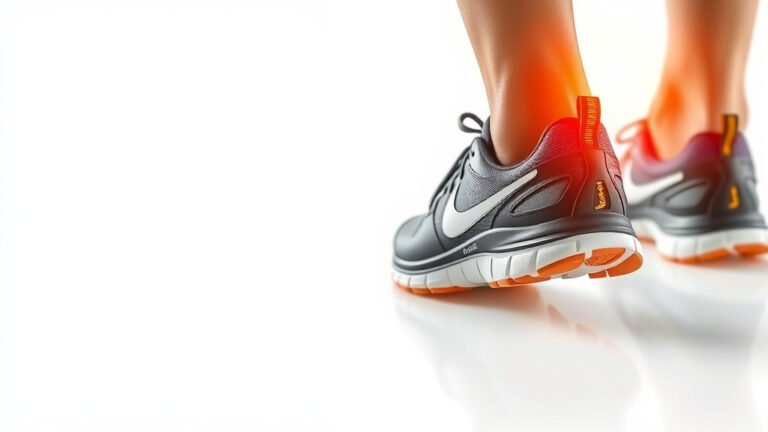
Overpronation can lead to discomfort in various places. It’s not just about your feet. Your ankles might feel sore, especially on the inside. Pain in your shins is also common. This is often called shin splints. Your knees can also take a hit. The inward rolling motion can put pressure on your knee joints. Some people even experience pain in their hips or lower back.
Common Pain Points
You might feel pain:
- On the inside of your ankle.
- Along your shin bone.
- Underneath your heel (like plantar fasciitis).
- On the ball of your foot, especially near your big toe.
- In your knees, particularly on the inner side.
Visual Cues
You can sometimes see if you overpronate. When you stand, notice how your ankles look. Do they seem to tilt inward? You might notice that your Achilles tendon (the cord at the back of your ankle) bulges inward. Your feet might also look a bit like they’re “pancake” flat when you stand. Many people with overpronation have arches that collapse when they put weight on their feet.
How Overpronation Affects Your Body
Your feet are the foundation for your entire body. When they don’t move as efficiently as they should, it can create a ripple effect. This can impact your alignment and how your muscles work. Research and found that this can lead to discomfort over time (NCBI).
Altered Biomechanics
Overpronation changes the way your body moves. As your foot rolls inward, your tibia (shin bone) also rotates inward. This can affect the alignment of your knee. Your hips might also rotate slightly inward to compensate. It’s like a chain reaction. One small change at the foot level can alter the position of your entire leg and pelvis. Many biomechanics experts point to this as a root cause of many lower body issues.
Increased Strain on Joints and Muscles
When your foot overpronates, certain muscles and ligaments have to work harder. They try to correct the excessive inward roll. Other muscles might become weak because they aren’t used properly. This imbalance can lead to strain. Your ankle joint, knee joint, and even your hip joint can experience abnormal forces. This is why pain can show up in so many different places.
Potential for Further Issues
Left unaddressed, overpronation can contribute to several conditions. These include plantar fasciitis, where the tissue on the bottom of your foot becomes inflamed. It can also lead to Achilles tendinitis, an inflammation of the tendon at the back of your ankle. Some people develop bunions or hammertoes. Others might experience pain in the ball of their foot, known as metatarsalgia. We found that early intervention often prevents these more serious problems.
Quick Checklist for Overpronation
Take a moment to consider these points:
- Do your shoes wear out quickly on the inside edge?
- Do you often feel pain in your ankles, shins, or knees?
- Do your feet look very flat when you stand up?
- Is the inside of your ankle often sore?
- Have you noticed your Achilles tendon bulging inward?
Conclusion
You’ve learned that overpronation is more than just a funny word for how your foot lands. It’s a common gait pattern where your foot rolls inward too much. This can cause uneven shoe wear and lead to discomfort in your feet, ankles, and even your knees and hips. By understanding the signs, like specific shoe wear patterns or noticing pain points, you can take the first step toward addressing it. Don’t let it slow you down; seek solutions to help your feet move more comfortably and efficiently.
Your next step is to pay close attention to your body and your footwear. If you suspect you’re overpronating, consider speaking with a podiatrist or a physical therapist. They can offer personalized advice and help you find the best strategies for your unique needs.
Frequently Asked Questions
What’s the difference between pronation and overpronation?
Pronation is a normal, healthy inward rolling of your foot during walking or running. It acts as a natural shock absorber. Overpronation happens when this inward roll is excessive, causing your arch to flatten too much and potentially leading to strain.
Can overpronation be fixed permanently?
While true “fixing” depends on the cause, overpronation can often be managed and corrected through exercises, proper footwear, and orthotics. The goal is usually to improve the foot’s biomechanics and strength, reducing the excessive inward roll.
How do I know if my shoes are right for overpronation?
Shoes designed for overpronation typically offer good arch support and stability. Look for shoes that are described as “motion control” or “stability” shoes. They often have features to limit excessive inward rolling and provide a firmer sole.
Will overpronation go away on its own?
Overpronation often doesn’t resolve on its own, especially if it’s due to foot structure or genetics. While some muscle imbalances might improve with targeted exercises, it’s usually best to address it proactively to prevent pain and further issues.
Can I still run or play sports if I overpronate?
Yes, many people with overpronation can continue to run and participate in sports. The key is to manage the condition effectively. Wearing supportive shoes, incorporating strengthening exercises, and possibly using orthotics can help you stay active comfortably.