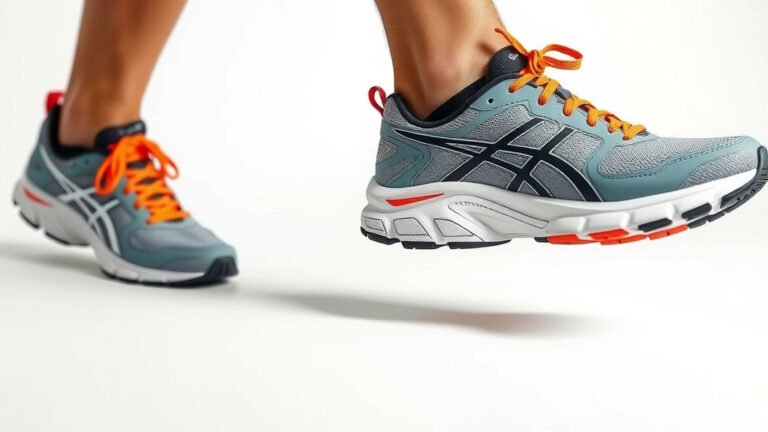
Do Carbon Plate Shoes Really Help You Run Faster?
Yes, carbon plate shoes do help most runners run faster. They make each stride more efficient by returning energy with every step. We found that studies and real-world race results both back this up.
But here’s the catch: they’re not magic. The benefits depend on your pace, your running form, and how often you race. Many experts say casual joggers may notice little difference, while faster runners often see real gains.
So, should you spend your money on a pair? Before you drop $250, here’s the short version:
- Carbon plate shoes can improve running efficiency for many runners.
- Faster runners tend to gain more than easy-pace joggers.
- They work best for races and speed workouts, not everyday easy runs.
- Fit and comfort matter just as much as the plate itself.
- They wear out faster than regular training shoes.
Below, we break down everything you need to know about how these shoes work, who they actually help, and whether they’re worth it for you. Let’s get into it.
How Carbon Plate Shoes Boost Your Running Speed
Carbon plate shoes work like a lever and spring in one. The stiff plate sits inside a thick, bouncy foam midsole. When your foot lands, the foam compresses and stores energy. The plate snaps that energy back as you push off.
Think of it like a diving board. A soft board barely lifts you. A stiff, springy board launches you higher. That’s basically what the plate does for each stride.
We found that runners in carbon plate shoes showed improved running economy in lab tests, meaning they used less energy at the same speed (NIH). Many experts say that improved economy usually translates to faster times over long distances.
What Actually Happens Under Your Foot
The plate does three jobs at once. It stiffens the shoe so less energy leaks into bending. It guides your foot through a smoother roll from heel to toe. And it adds a little push as your toes leave the ground.
The foam matters just as much. Modern super foams are lighter and springier than older materials. Pair that foam with a plate, and you get a shoe that feels almost unfair.
- Stiff plate: reduces energy loss in each step.
- Bouncy foam: returns energy when compressed.
- Rockered shape: rolls you forward smoothly.
- Light weight: less to carry over 26.2 miles.
The Real Performance Gains, According to Research
So how much faster can you actually get? We found that early lab studies showed roughly 2 to 4 percent better running economy in carbon plate racers compared to standard shoes (NCBI). For a four-hour marathoner, that could mean several minutes off your time.
Real-world results back this up too. Since carbon plates took over elite racing, marathon records have fallen again and again. Many experts say the shoes played a big role in that shift.
But here’s the honest part. Those averages hide a lot of variety. Some runners in the same studies gained almost nothing. A few felt slower. Your body decides how much benefit you get, not the shoe alone.
Why Your Pace Changes Everything
Carbon shoes are built for speed. When you run faster, you land harder and load the plate more. That’s when the spring does its job.
Jog at an easy pace, and the plate barely flexes. It just feels like a stiff, clunky shoe. We found that slower runners often report no noticeable difference at all.
Ask yourself this: can you hold a conversation during your runs, or are you gasping? If you’re gasping, a carbon racer is probably earning its keep. If not, you might be paying $250 to walk a diving board.
Who Should Actually Buy Carbon Plate Shoes
These shoes make the most sense for a specific type of runner. If that’s you, great. If not, your money may work harder elsewhere.
| Runner Type | Good Fit? | Why |
|---|---|---|
| Racers chasing a PR | Yes | Max benefit at race pace |
| Speed workout fans | Yes | Plate shines during intervals |
| Easy-pace joggers | No | Plate barely engages |
| Beginners building mileage | No | Training shoes teach better form |
| Injury-prone runners | Maybe | Ask a pro; stiffness can stress tissues |
One more thing. Your body weight and form matter too. Heavier and mid-pack runners can still benefit at race pace, but the ride may feel less forgiving. Comfort should always win over hype.
The Downsides Nobody Puts on the Box
Carbon shoes have trade-offs, and we think you deserve the full picture before buying.
- Short lifespan: many race shoes lose their pop after 150 to 250 miles, versus 400 to 500 for trainers.
- Higher price: expect $220 to $300 per pair.
- Fewer miles of use: most runners save them for races, which stretches cost per run even further.
- Adjustment period: the stiff ride can strain calves and feet at first.
- Injury risk: some studies and experts link rapid switches to plate shoes with foot and lower-leg stress (Cleveland Clinic).
That last point deserves a warning. Your calves and ankles have to work differently in a stiff, high-stack shoe. Many experts say to ramp up slowly instead of lacing them for a long race right away.
How to Test Them Safely
Don’t go from zero to marathon in carbon racers. Follow a simple ramp-up instead. Our guide to how to train in carbon plate shoes walks through a full week-by-week plan.
Weeks 1 and 2: Short Introductions
Wear them for one or two short, easy runs. Twenty to thirty minutes is plenty. See how your calves feel the next morning.
Weeks 3 and 4: Add Some Speed
Bring them to a tempo run or a short interval session. This is where they’re meant to live. Keep your long runs in your normal trainers.
Race Week: Trust the Work
By now, your legs know the shoe. Do a short shakeout run in them a few days before race day, then let them fly.

Smart Questions to Ask Before You Spend $250
Still on the fence? Run through this quick checklist. We use it ourselves before any gear upgrade.
- Do I race or do speed work regularly? If not, skip them for now.
- Have I trained consistently for six months or more? A solid base helps you handle the shoe.
- Can I try before I buy? Some running stores and brands offer test runs.
- Does the fit feel right in the toe box? Carbon shoes often run narrow.
- Am I okay replacing them sooner? Budget for a shorter lifespan.
- Do I have any foot or calf issues? Check with a physical therapist or podiatrist first (Mayo Clinic).
If you checked most of those boxes, a carbon racer could be a worthwhile investment. If not, a good daily trainer will serve you better for years.
Getting the Most From Your Pair
Once you own them, treat them like a race-day tool, not an everyday shoe. Rotate them with your trainers. Save the miles that count.
Store them at room temperature, out of direct sun. Extreme heat and cold can age foam faster. And don’t machine wash them; the glue and plate hate the dryer even more.
Most importantly, keep track of your miles. We found that many runners mark the date and mileage on the tongue with a marker. When the shoe feels flat or your calves get sore on normal runs, the spring is probably done.
Quick analogy: carbon racers are like a nice bottle of champagne. You don’t drink it on a random Tuesday. You save it for the toast, and you enjoy it fully when the moment comes.
Conclusion
So, do carbon plate shoes help? The answer is yes, but mainly if you run fast and race often. We found the science points to real gains in running economy, yet your pace and form decide how much you actually feel. They’re a race-day tool, not a daily driver, and they cost more while lasting less. If you’ve been training consistently and you have a goal race on the calendar, it’s time to visit your local running store and try a pair on. If not, keep building your base in a solid trainer and revisit the idea later.
Frequently Asked Questions
Can you run a marathon in carbon plate shoes?
Yes, and that’s exactly what most of them are built for. Just don’t make race day the first time you wear them. We found most coaches recommend at least a few weeks of short runs and speed sessions in them first so your calves and feet get used to the stiff ride.
How long do carbon plate shoes last?
Most race shoes keep their pop for roughly 150 to 250 miles. After that, the foam flattens and the plate loses its snap. Many runners log the mileage on the tongue with a marker so they know when it’s time to retire a pair. For a deeper look at the mileage math, see our guide to carbon plate shoe lifespan.
Do carbon plate shoes work for heavier runners?
They can, especially at faster paces where the plate loads up properly. Research suggests the gains aren’t limited to lightweight elites. The main thing to watch is cushioning feel, since a firmer ride may beat a max-stack shoe depending on what your legs prefer.
Can you use carbon plate shoes for everyday training?
We’d advise against it. The stiff, aggressive ride isn’t ideal for easy miles, and you’d burn through an expensive pair way too fast. Rotate them with your regular trainers and save the carbon shoes for tempo runs, intervals, and races.
Do carbon plate shoes cause injuries?
Not by themselves, but switching too fast can. The stiff plate changes how your calves, Achilles, and foot tissues work, and sudden jumps in speed work can stress them. Ease in with short runs over a few weeks, and talk to a physical therapist if you have a history of foot or calf problems.