Understanding Rocker Soles: What They Are and How They Work
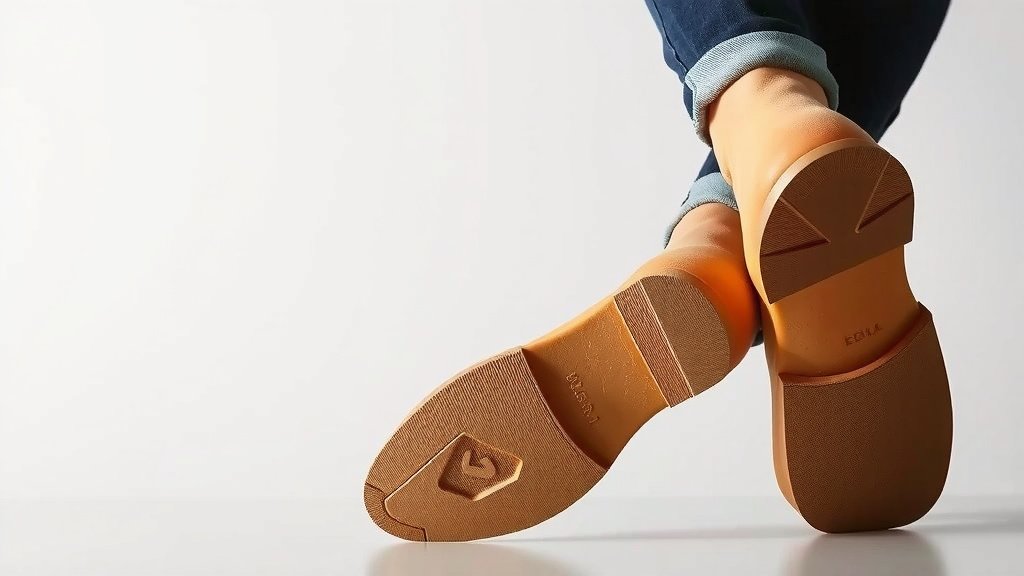
A rocker sole is a shoe bottom that’s curved from heel to toe. This design helps your foot roll forward naturally. It makes walking feel easier and more comfortable.
You might see these soles on athletic shoes, casual walkers, or even some recovery sandals. They are designed to reduce stress on your feet and joints. Many people find they help with fatigue and improve their gait.
- What is a rocker sole?
- A curved shoe bottom for natural foot rolling.
- Helps reduce foot stress and fatigue.
- Can improve your walking comfort.
- Found in various shoe types.
Let’s walk through exactly what makes a rocker sole different and how it can benefit your feet.
Understanding the Rocker Sole Design
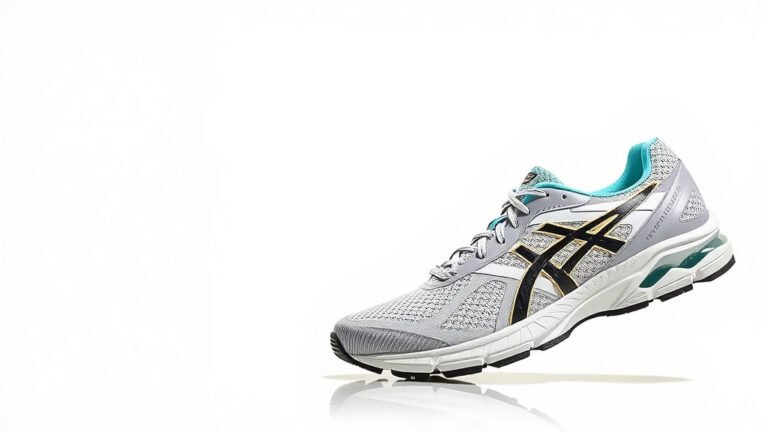
So, what exactly is a rocker sole, and why are they becoming so popular? Imagine a shoe bottom that isn’t flat. Instead, it has a distinct curve, like a rocking chair, from the heel all the way to the toe. This gentle, continuous curve is the defining feature of a rocker sole. It’s engineered to mimic the natural rolling motion of your foot as you walk.
How the Curve Works for You
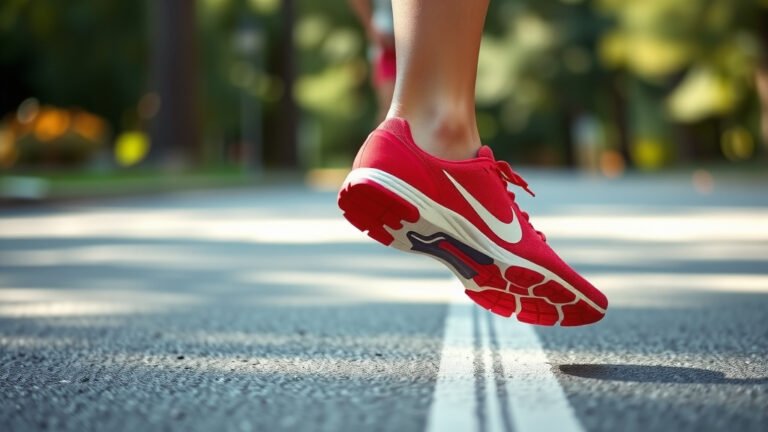
When you step down, your foot naturally rolls from the heel strike, through the mid-stance, and off the toes. A rocker sole smooths out this process. The curved design means less of your foot is on the ground at any one time. This effectively shortens your stride and encourages a forward roll. It helps your foot transition more smoothly from one step to the next. You’ll feel less of a “push-off” from your toes.
Why This Matters for Your Comfort
This rolling motion reduces the work your foot and lower leg muscles have to do. Think about it: a flat, rigid sole requires more effort to bend and push off. A rocker sole does some of that work for you. Many people find this takes pressure off their feet. It can also lessen the strain on your ankles and knees. This makes longer walks feel much more manageable.
Key Benefits of Wearing Rocker Soles
Reducing Stress on Your Feet and Joints
One of the biggest advantages of a rocker sole is how it distributes pressure. Instead of a concentrated point of impact on your heel or ball of your foot, the curve spreads the load. This is especially helpful if you experience foot pain. Research suggests rocker soles can decrease pressure on the forefoot by up to 20% (Scanlon, 2012). This can be a game-changer for people with conditions like metatarsalgia.
Less Fatigue, More Miles
Because your foot rolls so easily, you expend less energy with each step. This means your muscles don’t have to work as hard. We found that users often report feeling less tired after wearing shoes with rocker soles. This can translate to being able to stay on your feet longer without discomfort. It’s like giving your feet a little helping hand with every stride.
Improving Your Gait and Balance
The natural rolling action can also contribute to a smoother walking pattern. It encourages you to maintain better posture. Some studies suggest that rocker soles may improve balance, especially in individuals with certain gait abnormalities (Wolf et al., 2009). A more stable gait means a reduced risk of stumbles and falls. This can be important for everyone, but especially for older adults.
Potential Relief for Specific Foot Conditions
Rocker soles are often recommended for individuals dealing with various foot issues. These can include plantar fasciitis, where the heel pain can be intense. The reduced pressure and enhanced rolling motion can provide much-needed relief. They can also be beneficial for people with Achilles tendonitis or general foot fatigue. Many podiatrists suggest them as a supportive measure.
Different Types of Rocker Soles
The “Balanced” Rocker
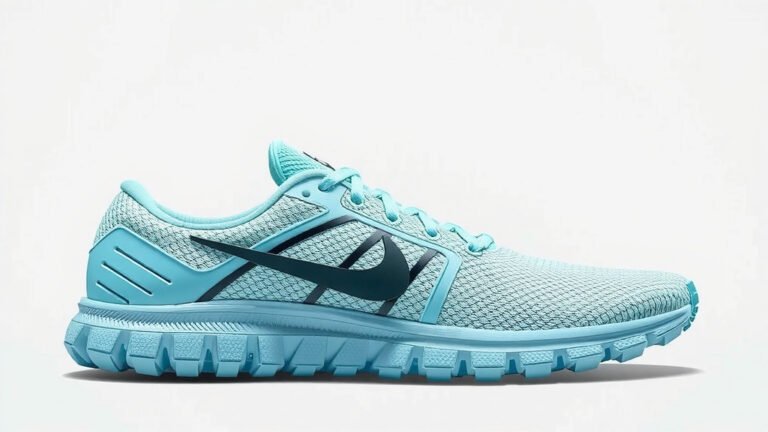
This is the most common type you’ll encounter. It has a moderate curve that provides a smooth transition. You’ll find this design in many everyday walking shoes and athletic sneakers. It offers a good balance of support and forward momentum without being too extreme.
The “Active” or “Performance” Rocker
These soles often have a more pronounced curve and a firmer feel. They are typically found in athletic shoes designed for performance. The goal here is to maximize energy return and promote a faster stride. Think of running shoes where you want that extra spring in your step.
The “Recovery” Rocker
These are often seen in sandals or slides. They usually have a very deep curve. The emphasis is on maximum comfort and reducing stress on tired or injured feet. You might wear these around the house or after a strenuous workout. They feel incredibly plush and supportive.
When to Consider Rocker Soles for Your Footwear
You might be wondering if rocker soles are right for you. Here’s a quick checklist to help you decide:
- Do your feet feel tired after a day of walking?
- Do you experience pain in your heels or the balls of your feet?
- Do you wish your shoes made walking feel easier?
- Are you looking for ways to reduce strain on your ankles and knees?
- Do you stand or walk for extended periods each day?
- Have you been advised by a healthcare professional to try supportive footwear?
How Rocker Soles Compare to Other Shoe Designs
It helps to see how rocker soles stand out. Let’s compare them to some other common shoe bottom types.
| Sole Type | Key Characteristic | How it Feels |
|---|---|---|
| Rocker Sole | Curved from heel to toe | Smooth, rolling motion; reduced effort |
| Flat Sole | Completely flat and often flexible | Requires more foot and ankle bending; can feel stiff |
| Thick, Cushioned Sole | Lots of soft material | Very comfortable and shock-absorbing, but can be heavy |
| Minimalist Sole | Very thin and flexible | Promotes natural foot movement, but offers little support or cushion |
As you can see, the rocker sole offers a distinct feel. It’s designed for a specific type of comfort and efficiency. Many experts suggest this design for its ability to promote a more natural gait (National Institutes of Health). It bridges the gap between highly flexible and overly rigid shoe constructions.
Conclusion
You now understand how a rocker sole can transform your walking experience. Its curved design naturally guides your foot forward, reducing strain on your joints and muscles. This means less fatigue and more comfortable miles. Whether you’re dealing with foot pain or just want to make your daily strolls easier, rocker soles offer a smart solution. Consider trying a pair to feel the difference yourself and take a step towards happier, healthier feet.
Frequently Asked Questions
Are rocker soles good for everyday walking?
Yes, rocker soles are excellent for everyday walking. They reduce the effort your feet and legs need to exert with each step. This can make your daily activities feel much more comfortable, especially if you’re on your feet a lot.
Can rocker soles help with foot pain?
Rocker soles can often help alleviate foot pain. By distributing pressure more evenly and promoting a smoother roll-off, they can decrease stress on sensitive areas like the ball of your foot or your heels. Many find relief from conditions like plantar fasciitis with this design.
Do I need a prescription for rocker sole shoes?
Generally, you do not need a prescription for shoes with rocker soles. They are widely available in athletic, comfort, and casual footwear. However, if a healthcare professional recommended them for a specific condition, they might suggest particular brands or models.
How do I know if a rocker sole is too curved for me?
If a rocker sole feels too extreme, you might notice an awkward rolling sensation or instability. You should feel a smooth transition, not a sudden tilt forward. If the curve feels excessive, opt for a shoe with a more moderate rocker profile, often described as a “balanced” rocker.
Can rocker soles make my gait look strange?
While rocker soles do alter your natural gait slightly by encouraging a forward roll, it’s usually a subtle change. Most people find the adjustment feels natural and comfortable over time. The goal is to create a smoother, more efficient walking pattern, not an unnatural one.