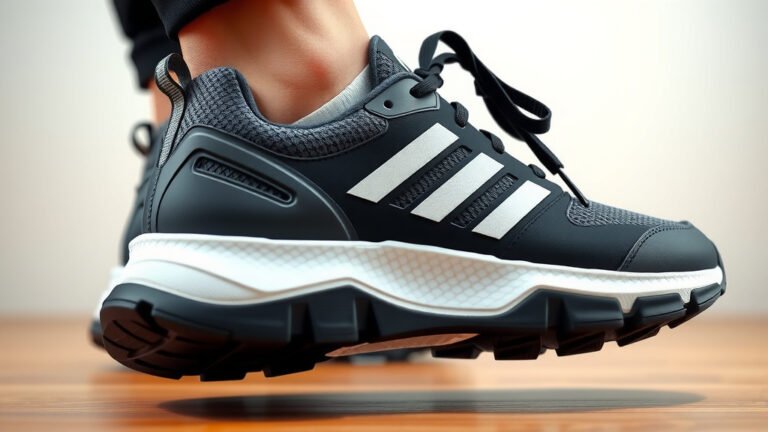
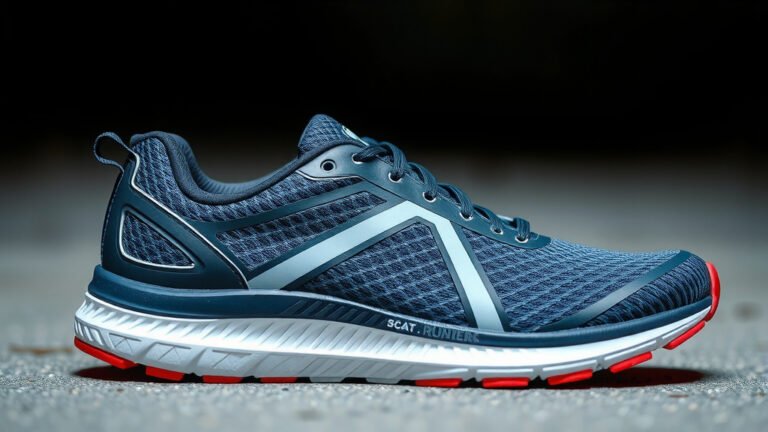
How to Choose Running Shoes: A Guide for Every Runner
Choosing the right running shoes is about more than just looks. You need shoes that support your stride and prevent injuries. The best running shoes will feel comfortable from the first step, offering the right blend of cushioning and stability for your unique foot type and running style. Think of them as your most important running partner.
Many runners get it wrong by picking shoes based on trends or color. We found that focusing on fit and function is key. Your shoes should match your running goals, whether you’re hitting the pavement or trails. Getting this right means happier miles ahead.
- Know your foot type (neutral, pronation).
- Consider your running surface (road, trail).
- Prioritize comfort and fit above all else.
- Try shoes on at the end of the day.
Let’s walk through exactly how to find your perfect pair of running shoes, step by step.
Finding Your Perfect Running Shoe Match
Choosing the right running shoe is a big step. It can make your runs feel great. It can also help keep you injury-free. Think of your running shoes as your partner. They help you move forward, mile after mile.
Understanding Your Foot Type
Your foot is unique. Knowing its arch type is super important. This helps determine how your foot lands when you run. We found that most runners fall into one of three categories. These categories relate to how your foot rolls inward (pronation).
Neutral Pronation
Do you have a normal arch? Does your foot land with a slight inward roll? If so, you likely have neutral pronation. This is the most common foot type. Your foot’s natural shock absorption works well. You can usually wear a wide variety of shoes. Look for shoes that offer good cushioning and flexibility. These shoes don’t need extra support features.
Overpronation
Does your arch collapse inward too much when you run? This is called overpronation. Your foot rolls inward excessively. You might need shoes with extra support. These are often called stability shoes. They have features to help control the inward rolling motion. This can prevent common injuries. Many experts suggest stability shoes for overpronators (American Academy of Orthopaedic Surgeons).
Supination (Underpronation)
Do you have a high arch? Does your foot roll outward? This is supination or underpronation. Your foot doesn’t absorb shock well. You might feel jarring impacts. You’ll want shoes with excellent cushioning. These shoes help soften the landing. Flexibility is also key. Look for neutral shoes with plenty of shock absorption.
Consider Your Running Surface
Where do you do most of your running? The ground beneath your feet matters. Different surfaces require different types of shoe support. Trying to use the wrong shoe can feel awkward. It might even lead to problems.
Road Running
Most runners hit the pavement. Road running shoes are designed for hard, smooth surfaces. They offer good cushioning to absorb impact. They are also typically lighter and more flexible. This makes them feel faster on roads. You’ll find a wide range of cushioning levels. Pick one that feels right for you.
Trail Running
Do you love hitting the dirt paths? Trail running shoes are built for uneven terrain. They have tougher soles with deeper treads. This gives you better grip on rocks and mud. They often have reinforced uppers. This protects your feet from debris. Some trail shoes offer more stability. Others prioritize a lighter feel.
Treadmill and Track
Running indoors is different. Treadmills offer a softer, consistent surface. Track running is also very specific. For treadmills, many road running shoes work well. You might prefer a shoe with good breathability. For track work, specialized spikes are often used. But for general training, lighter road shoes are a good choice.
The Importance of Fit and Comfort
This is the most critical factor. A shoe can have all the right tech. But if it doesn’t fit well, it’s no good. Even the most expensive shoe won’t help if it hurts your feet. Many runners overlook this. They get caught up in brand names or looks.
Trying Shoes On Correctly
When you go to buy shoes, wear your usual running socks. Try shoes on later in the day. Your feet swell throughout the day. So, your feet will be larger then. This gives you a more accurate fit. Walk around in them. Jog a bit if possible. How do they feel right now? Don’t assume they’ll “break in.”
What to Look For During a Fitting
There should be about a thumb’s width of space between your longest toe and the end of the shoe. Your heel should feel secure. It shouldn’t slip up and down. The midfoot should feel snug but not tight. There should be no pinching or rubbing anywhere. The shoe should feel comfortable from the start. Remember, comfort is king.
Key Features to Consider
Running shoes have many parts. Understanding them helps you choose. You don’t need to be an expert. Just know what to look for. Each part plays a role in how the shoe performs.
Cushioning
This is the shock absorption. More cushioning means a softer feel. Less cushioning offers a more responsive feel. Your preference matters here. Some runners like feeling the ground. Others want a plush ride. Research suggests adequate cushioning can help reduce impact forces (Sports Medicine – Open Access).
Stability Features
These help control overpronation. They might include guide rails or denser foam on the arch side. Stability shoes guide your foot. They promote a more neutral motion. If you don’t need extra support, they can feel stiff.
Flexibility
Where does the shoe bend? It should bend naturally where your foot bends. This is usually at the ball of your foot. A shoe that’s too stiff can feel awkward. It might force your foot into an unnatural position.
Your Running Shoe Checklist
Ready to find your perfect pair? Here’s a quick checklist to help you:
- Know your arch type (neutral, overpronation, supination).
- Consider your main running surface (road, trail, treadmill).
- Try shoes on at the end of the day with your running socks.
- Check for a thumb’s width of space at the toe.
- Ensure your heel feels secure and doesn’t slip.
- The shoe should feel comfortable immediately.

Conclusion
You’ve learned that picking the right running shoes is a personal journey. It’s not just about style; it’s about finding a shoe that supports your foot type and running surface. Prioritizing comfort and proper fit above all else will serve you best. Remember to try shoes on at the end of the day with your running socks. Your perfect pair is out there waiting. Go find them and hit the road or trail with confidence!
Frequently Asked Questions
How often should I replace my running shoes?
Most experts suggest replacing running shoes every 300 to 500 miles. You might need to replace them sooner if you notice significant wear or discomfort. Keep track of your mileage to know when it’s time for a new pair.
Can I use walking shoes for running?
It’s generally not recommended to use walking shoes for running. Running shoes are designed with specific cushioning and support to handle the higher impact forces of running. Walking shoes lack these features, which could lead to injury.
What is the difference between neutral and stability running shoes?
Neutral shoes are for runners with a neutral gait and no significant overpronation. Stability shoes are designed for runners who overpronate, meaning their foot rolls inward excessively. They offer features to help guide the foot and reduce inward rolling.
Do I need to “break in” new running shoes?
Modern running shoes typically require very little break-in time. They should feel comfortable right out of the box. If a shoe feels uncomfortable or causes hotspots during your first run, it’s likely not the right fit for you.
Is it okay to buy running shoes online?
Buying online can be convenient, but it’s best to try shoes on in person first, especially if it’s your first time buying a particular model or brand. If you do buy online, ensure the retailer has a good return policy in case the fit isn’t right.