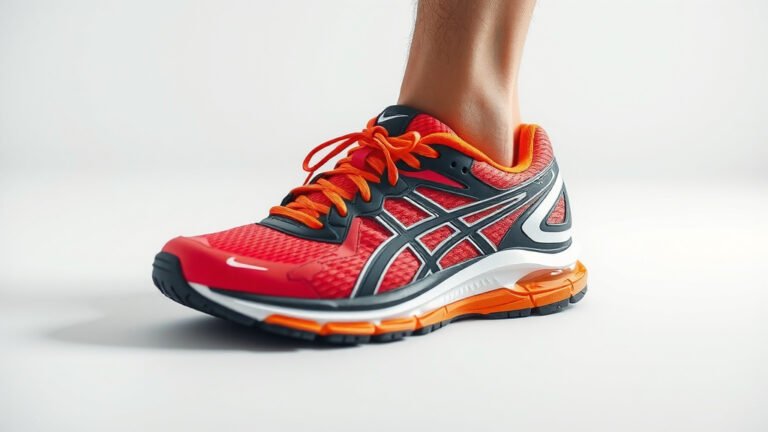
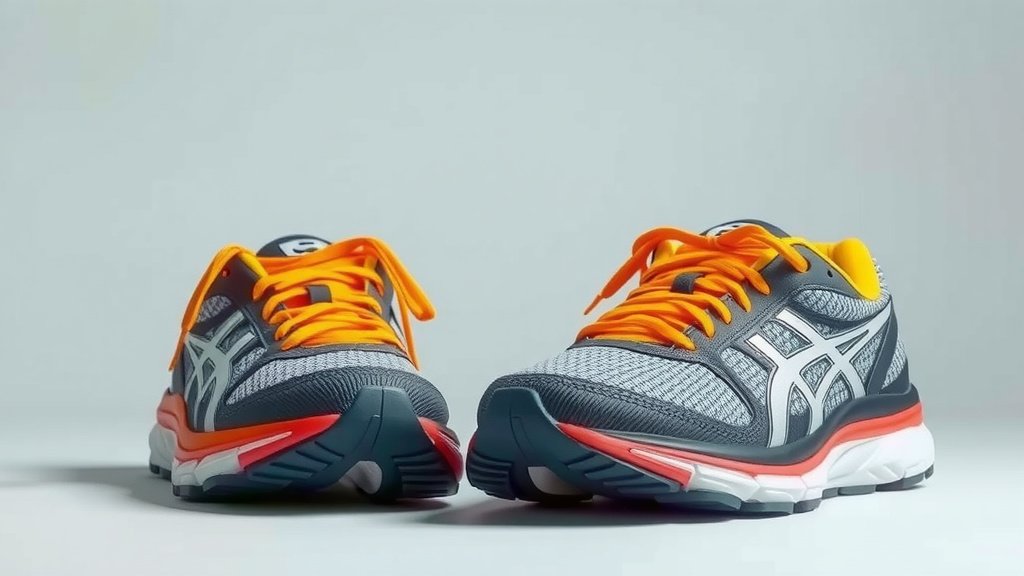
Cushioned vs Stability Running Shoes: Which Is Right For You
Choosing between cushioned and stability running shoes boils down to your foot’s natural movement. Cushioned shoes offer a plush feel for neutral runners who don’t overpronate, while stability shoes provide support to help guide your foot if it rolls inward too much. Think of it as choosing the right tool for your unique stride.
Many runners wonder if one type is “better” than the other. Research shows that the best shoe for you depends on your biomechanics, comfort, and the type of running you do. Wearing the wrong shoe can lead to discomfort or even injury, so understanding the difference is key for happy miles.
- Cushioned shoes: Soft, flexible, best for neutral feet.
- Stability shoes: Offer gentle guidance, good for mild overpronation.
- Your foot type matters most for comfort.
- The right shoe prevents aches and pains.
Let’s break down exactly what each type offers and how to figure out which one is your perfect running partner.
“`htmlCushioned vs. Stability Running Shoes: Finding Your Perfect Match
So, you’re wondering about cushioned versus stability running shoes. It’s a common question for runners of all levels. The main difference boils down to how your foot moves when you run.
Your foot type and how it lands are the biggest clues. This helps determine which shoe will feel best. Let’s dive into what each shoe offers.
Understanding Cushioned Running Shoes
Imagine running on a cloud. That’s the general feeling you get with cushioned shoes. They are designed to provide a soft landing.
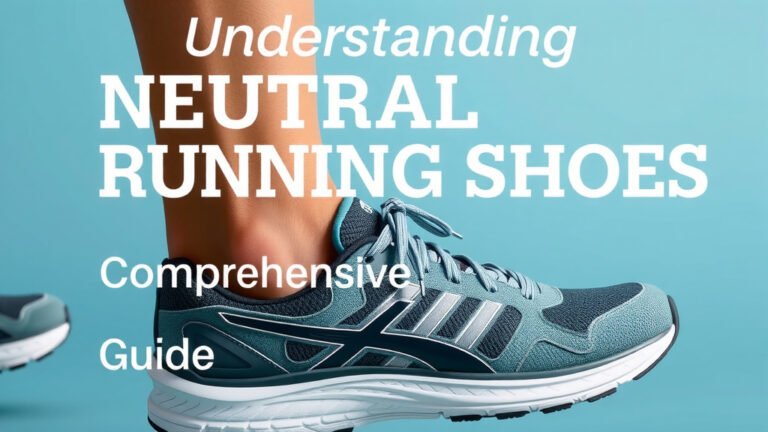
These shoes are perfect for runners who have a neutral foot strike. This means your foot doesn’t roll inward excessively. You likely have a normal arch. Cushioned shoes absorb shock.
Who Benefits Most from Cushioning?
Neutral runners often choose cushioned shoes. They experience minimal inward rolling (pronation). Your foot lands on the outside of the heel and then rolls slightly inward. This is the body’s natural shock absorption. Cushioned shoes support this natural motion.
If you have high arches, you might also find comfort here. High arches often mean less natural shock absorption. A shoe with good cushioning can help compensate. Many experts suggest cushioning for comfort and injury prevention (NCBI).
Think of it like wearing your favorite comfy sneakers. They feel good right out of the box. You probably won’t feel any pressure points or stiffness.
Key Features of Cushioned Shoes
- Soft Midsole: This is where all the magic happens. It’s made of foam that compresses easily.
- Flexibility: They tend to be more flexible. This allows your foot to move naturally.
- Neutral Support: They don’t try to correct your foot’s movement. They just let it do its thing.
Research shows that many runners prefer this feeling. It makes longer runs feel less jarring on your body. The goal is to reduce impact forces on your joints.
Understanding Stability Running Shoes
Now, let’s talk about stability shoes. These are built to help runners who overpronate. Overpronation means your foot rolls inward more than it should.
This inward rolling can sometimes lead to pain. It might affect your knees, hips, or ankles. Stability shoes offer gentle guidance. They help keep your foot from rolling too far inward.
Who Needs Stability Shoes?
If you have flat feet, you might overpronate. Your arch collapses more upon impact. Stability shoes can offer support to your arch. This helps keep your foot in a more neutral position. Many podiatrists recommend them for mild to moderate overpronators (Cleveland Clinic).
It’s not about forcing your foot into a rigid position. It’s about providing a little nudge. Think of a gentle hand guiding you. It helps your stride feel more controlled and efficient.
If you’ve experienced shin splints or knee pain, stability shoes might be worth a try. They can help correct biomechanical issues. This often leads to reduced pain over time. You might feel a bit more structure under your arch.
How Stability Shoes Work
These shoes have specific features to provide support. They often include firmer foam on the inside edge of the midsole. This area is called the medial post.
They might also have guide rails. These act like bumpers. They help keep your foot from rolling too far inward.
Medial Post: A denser foam wedge under the arch. It resists compression.
Guide Rails: Structures along the sides of the shoe. They help center your foot.
Stiffer Heel Counter: The back of the shoe is often more rigid. This helps lock your heel in place.
We found that runners who overpronate report feeling more secure. They also notice less fatigue in their lower legs. The extra support can make a big difference.
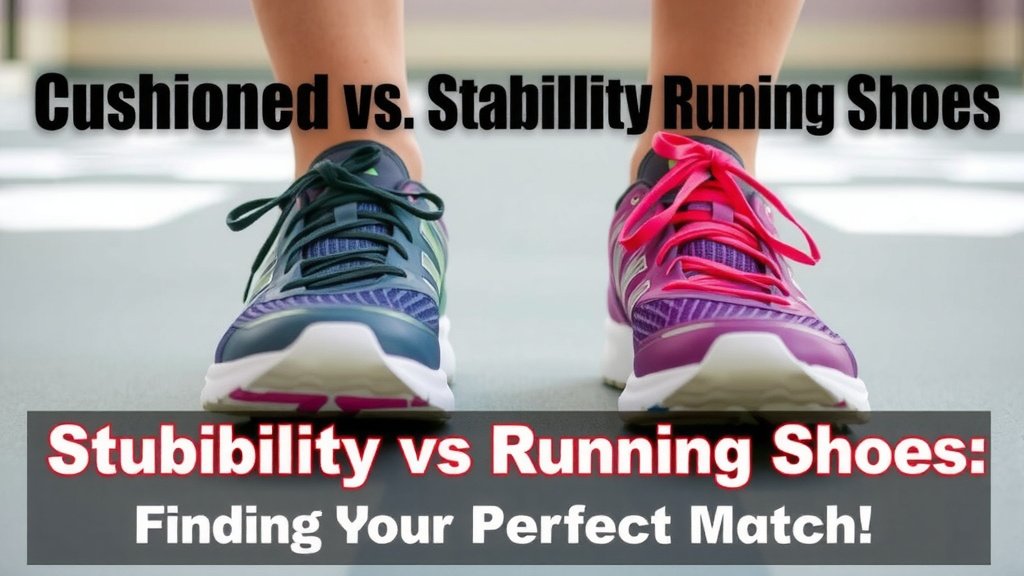
Comparing Cushioned and Stability Shoes
Let’s lay it out side-by-side. It’s not about one being “better” than the other. It’s about which one is better for your specific needs.
| Feature | Cushioned Shoes | Stability Shoes |
|---|---|---|
| Best For | Neutral runners, high arches | Mild to moderate overpronators, flat feet |
| Primary Goal | Shock absorption, soft feel | Support, gentle pronation control |
| Midsole Feel | Soft, plush, flexible | Firmer on the inside, more structured |
| Support Level | Minimal (neutral) | Moderate (guidance) |
Finding Your Running Shoe Type
How do you know which category you fall into? There are a few easy ways to tell.
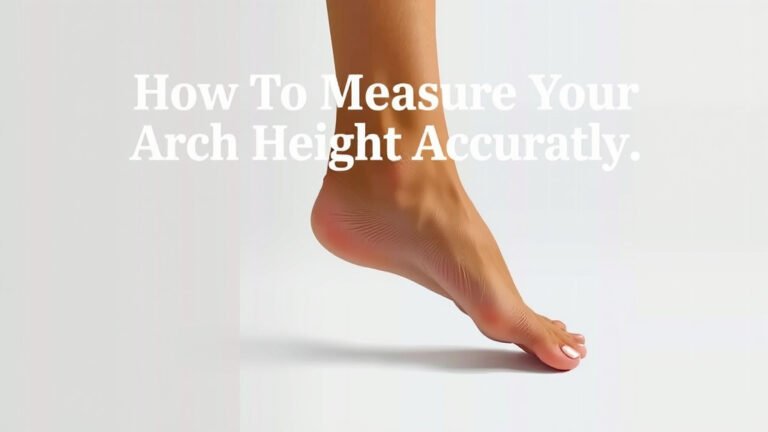
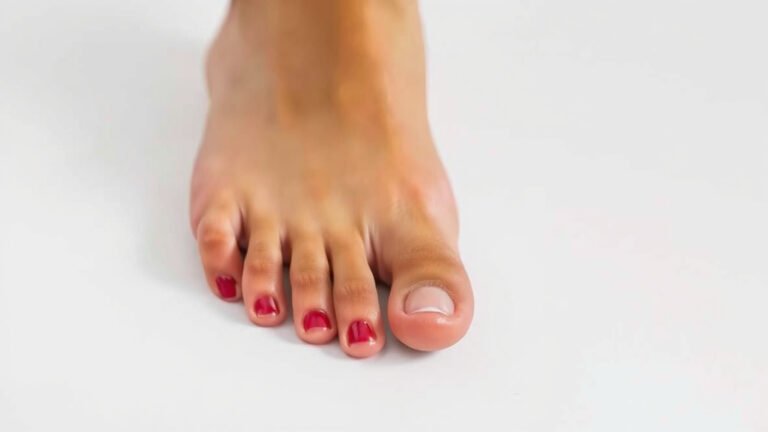
The Wet Foot Test: Wet your feet. Step onto a piece of paper or cardboard. Look at the imprint. A high arch leaves a thin line. A flat foot leaves a full footprint. A normal arch leaves a print with a visible curve.
Shoe Wear Pattern: Look at your old running shoes. If the wear is mostly in the center of the sole, you’re likely neutral. If the inside edge of the sole is heavily worn, you might overpronate. Significant wear on the outside edge could mean you underpronate (supinate).
Gait Analysis: The best method is a gait analysis. Many specialty running stores offer this. They’ll watch you run on a treadmill. They can identify your foot strike and pronation pattern. This professional assessment is highly recommended.
Don’t guess! Knowing your foot type helps immensely. It prevents buying shoes that could cause discomfort. We found that getting this right makes running much more enjoyable.
A Quick Checklist for Choosing
Here’s a simple way to start thinking about your next pair:
- Do your feet feel generally comfortable in most shoes? (Cushioned might be good)
- Do you have a noticeable arch? (Cushioned often suits)
- Do your feet often feel tired or achy after runs? (Consider stability)
- Do your shoes wear down heavily on the inside edge? (Stability could help)
- Have you been told you have flat feet? (Stability is a strong contender)
- Do you want a soft, forgiving ride? (Cushioned is your friend)
Remember, comfort is king. Even if a shoe is labeled “stability,” if it doesn’t feel good on your foot, it’s not the right shoe for you. Trust your instincts. Your feet will thank you for it!
“`Conclusion
You’ve learned that cushioned shoes offer a plush ride for neutral runners, while stability shoes provide support for those who overpronate. Your foot’s natural motion and comfort are your best guides. Finding the right shoe means less pain and more enjoyable runs. Don’t guess your needs; consider a gait analysis at a local running store. Listen to your body, and you’ll find that perfect pair. Happy running!
Frequently Asked Questions
Can I wear stability shoes if I have a neutral foot strike?
While you can, it’s generally not recommended. Stability shoes are designed to correct overpronation. Wearing them without needing them might feel stiff or unnatural. You might even experience discomfort because they can restrict your foot’s natural movement.
How often should I replace my running shoes?
Most running shoes last between 300 to 500 miles. This can vary based on your weight, running surface, and the shoe’s construction. Pay attention to signs of wear like flattened cushioning or worn-out treads. Replacing them on time prevents injuries.
Is the “wet foot test” accurate for determining my arch type?
The wet foot test is a good starting point for understanding your arch. It’s a simple way to get a general idea. However, it doesn’t show how your foot moves while running. A professional gait analysis is much more accurate for determining your shoe needs.
Do stability shoes make you run faster?
Stability shoes are not designed to increase speed. Their primary purpose is to provide support and control pronation. For neutral runners, stability shoes might actually slow them down or feel uncomfortable. Focus on comfort and proper support for your stride.
What if I like the cushioning of one shoe but the support of another?
This is where finding the right fit becomes important. Some brands offer shoes that blend cushioning with mild stability features. You might also consider consulting with a running shoe expert. They can help you find a shoe that balances both aspects for your comfort.