What is a Running Shoe Trial Period Explained
A running shoe trial period is your chance to test out new shoes before you commit to keeping them. Many retailers and brands offer a risk-free way to try shoes on your runs. This means you can buy them, run in them for a set time, and return them if they’re not a good fit for your feet or your training. It’s a smart way to avoid buyer’s remorse.
Finding the perfect running shoe can feel like a marathon itself. That’s where a trial period really shines. It gives you the freedom to see how a shoe performs on the road or trail. You can check for comfort, support, and how they handle your specific running style. This flexible return policy is a game-changer for runners.
TL;DR:
- A running shoe trial period lets you test shoes on runs before buying.
- It’s a low-risk way to ensure the shoes are a good fit for you.
- Most trials last between 30 and 60 days.
- Check the specific return policy before purchasing.
Ready to find your next favorite pair without the worry? Let’s dive into what a running shoe trial period really means for you.
“`htmlUnderstanding Running Shoe Trial Periods
A running shoe trial period is essentially a grace period. It lets you test drive new running shoes. You can wear them on your actual runs. This is usually for a set number of days. It’s a great way to see if they truly work for you. Many brands and retailers offer this. They want you to feel confident in your purchase. It removes the guesswork. You get to experience them in action. This goes beyond just trying them on in the store.
How These Trial Periods Work for You
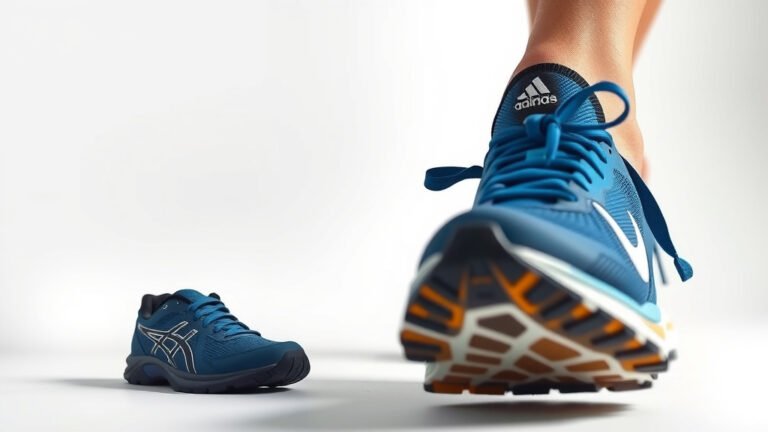
So, how does this actually play out? It’s pretty straightforward. You buy the shoes as you normally would. Then, you start incorporating them into your runs. Most trial periods allow you to wear them outside. This is key! You can’t tell if a shoe is right until it hits the pavement. Or the trail. Or the treadmill. You’ll want to run in them a few times. Maybe for different types of runs. Think short jogs and longer efforts. This gives you a real feel for the shoe. It helps you notice comfort and support. You’ll see how they handle impact and your stride. If they don’t feel right, you can return them. This helps you see how they handle different surfaces, whether it’s the road or trail.
What’s Covered by the Trial?
The trial period covers how the shoes feel during your activity. It’s about performance and comfort. You’re checking for things like blisters. You want to see if there are any hot spots. Does the cushioning feel adequate? Is there enough support for your foot type? These are the kinds of questions a trial answers. It’s not about defect issues. Those are handled under a separate warranty. The trial is purely about your personal experience with the shoe. It’s your chance to be sure they’re the right match.
Typical Timeframes for Trials
Most running shoe trial periods fall within a common range. You’ll often find options for 30 to 60 days. Some might offer a bit longer. A 30-day window is quite common. It’s usually enough time to get a good feel. You can probably fit in several runs. A 60-day trial offers even more flexibility. This is great if you’re a runner who logs miles less frequently. Or if you like to rotate your shoes. Always check the exact duration. It can vary quite a bit. Don’t assume all trials are the same length. This is great if you like to rotate your shoes and need more time to test them.
Why Retailers Offer Shoe Trial Periods
Why would a company let you run in shoes and return them? It seems a bit risky for them, right? Well, it’s actually a smart business strategy. They know that the right shoe is critical for runners. An unhappy runner is unlikely to return. Or recommend the brand. By offering a trial, they build trust. It shows they stand behind their product. They want you to find the best fit. This reduces returns due to poor fit. It also increases customer loyalty. You’re more likely to buy from a place that offers this peace of mind. Many experts agree this approach builds a stronger customer relationship.
Building Customer Confidence and Loyalty
Think about it. You’re investing money in these shoes. You want to be sure they won’t cause pain. Or lead to injury. A trial period removes that anxiety. It makes you feel more secure about your purchase. This confidence can lead to repeat business. You’ll remember the brand that let you try before you commit. This is especially true for new runners. They might not know what they need yet. A trial helps them learn. It’s a win-win situation. The customer gets a better shoe. The retailer gets a happy, loyal customer.
Reducing Returns Due to Poor Fit
Many returns happen because a shoe just doesn’t feel right. Even if it looks good. Or has great reviews. Our feet are unique. Our gaits are unique. What works for one person might not work for another. A trial period directly addresses this. It allows you to test the shoe in real-world conditions. This drastically cuts down on returns caused by fit issues. Retailers often find that customers who use trial periods are happier. They keep the shoes they’ve tried. This makes the program cost-effective for them in the long run.
What to Look For in a Trial Period Policy
Not all trial periods are created equal. You need to read the fine print. Understanding the terms is important. This will help you avoid any surprises. Make sure you know the return window. What is the exact number of days? Are there any conditions on the return? For example, do the shoes need to be in pristine condition? Or can they show signs of wear from running? Knowing these details ensures a smooth return process if needed.
Understanding the Return Conditions
This is where things can get tricky. Most trial periods allow you to run in the shoes. But there might be limitations. For instance, some might specify a maximum mileage. Others might have rules about the condition of the returned shoes. Are you expected to keep the original box? Do you need to have the receipt? We found that checking the specific return policy is vital. Some policies are very generous. Others are stricter. You want to know if you can return them if they’re a little dirty from a trail run. Generally, they expect them to be in good condition, minus the wear from testing.
The Role of Proof of Purchase
Do you need a receipt? Almost always, yes. A proof of purchase is usually required. This helps the retailer track the sale. It verifies that you bought the shoes from them. Keep your receipt or order confirmation handy. This is true whether you bought online or in-store. Some brands might allow returns without a receipt. But it’s much easier if you have it. This small piece of paper is your ticket to a hassle-free return. It’s part of the agreement you enter into.
Making the Most of Your Running Shoe Trial
To really benefit, you need to be strategic. Don’t just wear the shoes for a single walk around the block. You need to simulate your actual running conditions. Get them out on your typical routes. Try different types of terrain if you can. This will reveal how they perform under stress. Pay attention to how your feet feel. Are there any aches or pains developing? Does the cushioning feel right for longer distances? Are they providing enough stability? Consider it a real-world test.
Testing for Comfort and Fit
Comfort is king in running shoes. If they’re not comfortable, you won’t run in them. During the trial, focus on the feel. Do they feel snug but not too tight? Is there enough room in the toe box? Does the arch support feel good? Or is it intrusive? Think about how your feet feel after a run. Any hot spots? Numbness? These are all clues. Some research suggests that poor-fitting shoes can lead to injuries like plantar fasciitis (American Podiatric Medical Association). So, listen to your feet during the trial. They’re telling you important information.
Evaluating Performance on Different Runs
Try to mix it up. Don’t just do one kind of run. If you’re a road runner, do a few road runs. If you do trail running, hit the trails. If you do speedwork, try those shoes for a tempo run. If you do long slow runs, use them for those too. This varied testing shows you the shoe’s capabilities. It helps you see if it’s a versatile shoe for your training. Or if it’s best suited for a specific purpose. This will help you decide if they are truly the right shoe for you.
When to Consider Returning the Shoes
So, when is it time to pack them up and send them back? If you experience persistent pain, that’s a clear sign. This includes things like shin splints, knee pain, or foot pain that started after wearing the shoes. If you develop blisters or significant hot spots. Even if the shoe feels generally “off” or doesn’t provide the support you need. Don’t try to “run through” discomfort. That’s what the trial period is for. It’s better to return them and find a better option. It’s about protecting your running journey and preventing injury.
“`Conclusion
So, you’ve learned that a running shoe trial period is your secret weapon. It’s your chance to test shoes on actual runs, not just in the store. We’ve seen how these trials remove buyer’s remorse. They help you find the perfect fit and comfort for your unique stride. Always remember to check the specific policy details before you buy. Ready to make your next shoe purchase with confidence? Take advantage of these trial periods to invest wisely in your running journey.
Frequently Asked Questions
Can I return running shoes after running in them?
Yes, that’s the main purpose of a running shoe trial period. You can wear them on your runs to see how they feel. Most policies allow for returns even after you’ve logged some miles. This is different from a standard retail return.
How long do running shoe trial periods typically last?
Most running shoe trial periods range from 30 to 60 days. Some brands might offer slightly longer or shorter windows. It’s wise to confirm the exact duration with the retailer before your purchase.
What if the shoes get dirty from my trial run?
Generally, a little dirt from a normal outdoor run is acceptable. However, policies can vary. It’s best to keep them in reasonably clean condition and check the specific return policy. They shouldn’t look heavily worn or damaged.
Do I need a receipt to return shoes under a trial period?
Yes, a proof of purchase, like a receipt or order confirmation, is almost always required. This helps the retailer verify the transaction. Keep your original documentation handy in case you need to make a return.
What should I do if I experience pain after a few runs?
If you experience persistent pain, discomfort, or develop blisters, this is a strong indicator the shoe isn’t right for you. Use the trial period to return them. Don’t force yourself to run through pain; that’s exactly what the trial is for.