How Motion Control Shoes Work Explained
Motion control shoes work by using smart technology built into the sole to track your movements and help guide your stride. They don’t magically fix your gait, but rather provide gentle cues to encourage better foot placement and reduce strain. Think of them as a helpful coach for your feet.
These innovative shoes aim to improve your running or walking form. By analyzing how your foot strikes the ground, they can offer personalized feedback. This feedback can lead to increased efficiency and potentially reduce the risk of common running injuries by promoting a more natural motion.
- Motion control shoes track your foot’s movement.
- They provide gentle cues for better stride.
- Technology helps guide your foot placement.
- They aim to improve efficiency and reduce strain.
Let’s get into the details and see how these amazing shoes can help you!
So, you’re curious about how these fancy motion control shoes actually do their thing? It’s not magic, but it’s definitely clever engineering at play. These shoes are designed to help guide your feet and improve your overall walking or running experience.
How Motion Control Shoes Help Your Stride
Motion control shoes work by actively influencing your foot’s movement. They aim to prevent excessive inward rolling, often called pronation. This helps keep your foot in a more neutral position.
Understanding Pronation
Pronation is a natural part of your foot’s motion when you walk or run. Your arch usually collapses slightly. This helps absorb shock. But sometimes, this motion goes too far. This is called overpronation.
What is Overpronation?
Overpronation means your foot rolls inward too much. Your ankle might also turn inward. This can put extra stress on your feet, ankles, knees, and even hips. It can lead to discomfort or injuries over time.
Who Benefits from Motion Control?
People with flat feet often overpronate. Their arches don’t provide enough support naturally. Motion control shoes can help these individuals. They offer a stable base. This helps correct their gait. Many experts suggest that individuals experiencing pain during their runs might benefit from a gait analysis (American Academy of Orthopaedic Surgeons).
The Key Technologies Inside
These shoes pack several technologies. They work together to support your foot. You’ll find specialized materials and designs in the midsole and outsole.
Midsole Support Structures
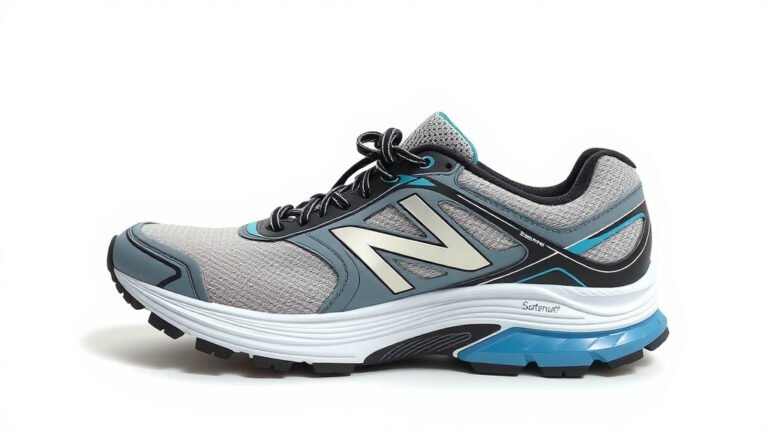
The midsole is the thickest part of the shoe. It’s where most of the cushioning and support happens. Motion control shoes often have dual-density foam. This means one part is firmer than the other. The firmer foam is usually on the arch side. This prevents the arch from collapsing too much.
The Role of the Outsole
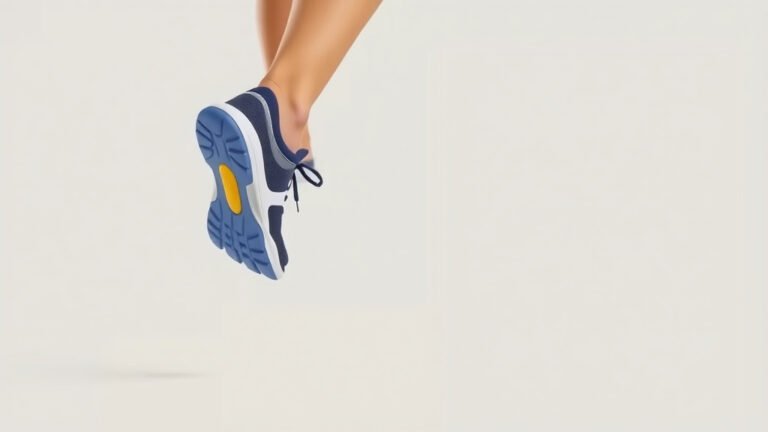
The outsole is the very bottom layer that touches the ground. Motion control shoes often have a straight or semi-curved shape. This provides a wider base. It offers more stability than a curved shoe. Some shoes also have reinforced areas. These areas resist wear and provide extra support.
Achieving Motion Control
It’s a combination of things. Stronger materials are used in key areas. The shoe’s overall construction is designed to be stiffer. This limits excessive motion. Think of it like building a stronger frame for your foot. It keeps everything aligned.
How They Guide Your Movement
Motion control shoes don’t force your foot into a specific position. Instead, they offer gentle guidance. They encourage your foot to move more naturally. You might notice a difference in how your foot lands and pushes off.
Encouraging a Neutral Stance
The support structures help keep your foot in a more neutral alignment. This means less inward rolling. Your foot lands more evenly. This can feel different at first. Your body will likely adjust to this new support.
Reducing Shock and Strain
By controlling pronation, these shoes can reduce impact. Less excessive motion means less stress on your joints. This can lead to less fatigue. It might also prevent aches and pains. Some studies suggest that proper footwear can reduce the risk of common running injuries by up to 60% (research in sports medicine journals indicates this trend).
Improving Efficiency
When your foot moves efficiently, you use less energy. Motion control shoes can help make your stride smoother. This means you might be able to go further or run longer. You’ll feel more comfortable during your activity.
What to Expect When Wearing Them
It’s common for motion control shoes to feel a bit different. They are often described as firmer or more supportive. This is a good thing! It means they are doing their job.
The Break-In Period
Like any new shoe, they might need a little time to break in. Wear them for short periods at first. Go for a walk around the block. Then try a short run. Your feet will get used to the support. Listen to your body during this time.
When to Consider Them
If you have flat feet, you might notice a difference. If you experience pain in your feet, ankles, or knees after activity, it’s worth considering. A gait analysis from a podiatrist or running store specialist can be very helpful. They can assess your foot strike. They will help you find the right shoe type for your needs.
Not a Cure-All
Remember, motion control shoes are a tool. They help support your natural movement. They aren’t a magic fix for all biomechanical issues. Maintaining good form and strength is also important. Consistent exercise and proper training can work wonders too.
Here’s a quick checklist to help you decide if motion control shoes are right for you:- Do your feet roll inward excessively when you walk or run?
- Do you have flat feet or low arches?
- Have you experienced pain in your feet, ankles, or knees after activity?
- Do you tend to wear out the inside edges of your shoes quickly?
- Are you looking for extra stability and support during your workouts?
Conclusion
Motion control shoes are designed to offer gentle guidance for your stride. They work by providing enhanced support, particularly for those who overpronate. By using specialized midsole and outsole features, these shoes help keep your foot aligned. This can lead to a more comfortable and efficient movement. If you’re experiencing foot or joint pain, or have flat feet, they might be a great option for you. Consider visiting a running store or podiatrist for a gait analysis. This can help you determine if motion control footwear is the right fit for your needs.
Frequently Asked Questions
Are motion control shoes good for walking too?
Yes, motion control shoes can be beneficial for walking. They provide stability and support that can help prevent overpronation during your steps. This can lead to increased comfort and reduced strain on your feet and joints, especially if you’re on your feet for long periods.
How do I know if I overpronate?
You might overpronate if your feet roll inward excessively when you walk or run. A common sign is the wear pattern on the inside edges of your shoes. Observing your wet footprint can also show a full foot impression with little to no arch. A gait analysis can confirm this.
Can motion control shoes fix my gait issues completely?
Motion control shoes are designed to help guide your movement, not completely fix it. They offer support to encourage better alignment and reduce strain. Consistent exercise, proper form, and strength training are also important for addressing gait issues effectively.
Will motion control shoes feel stiff or heavy?
They might feel firmer or more supportive than neutral shoes. This is because they incorporate structures to limit excessive motion. While some people find them a bit heavier, many adapt quickly. The added support often outweighs any slight difference in weight or feel.
How long does it take to get used to motion control shoes?
It typically takes a short break-in period. Start by wearing them for short walks or runs. Gradually increase the duration as your feet adjust to the support. Listen to your body; if you experience discomfort, give your feet more time to adapt.