Understanding High Arch Feet: Causes, Symptoms, and Solutions
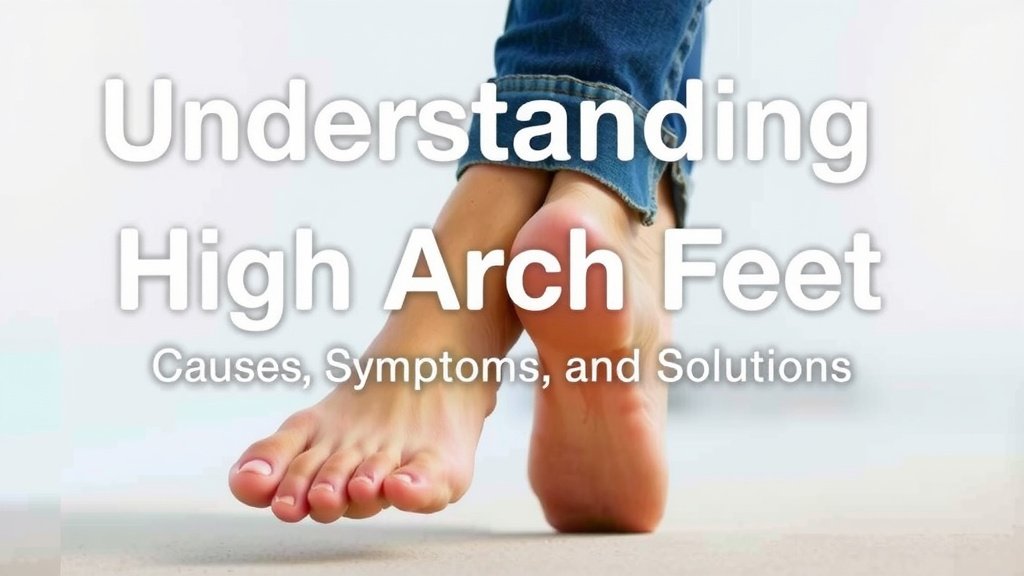
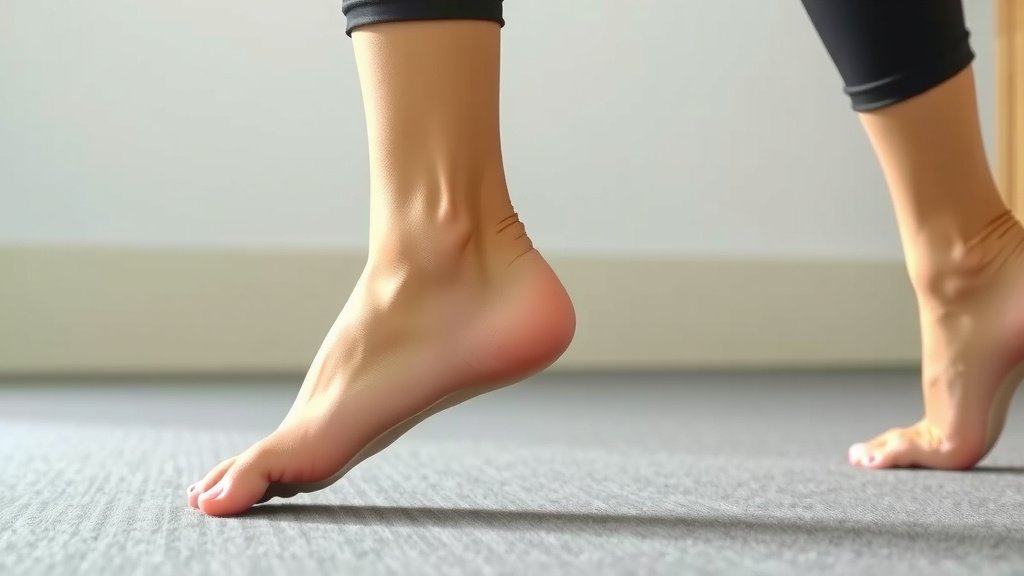
A high arch foot, also known as pes cavus, is a foot with a very pronounced upward curve in the middle. This means the arch doesn’t flatten much when you stand or walk. You can often spot it by the clear gap between the ground and the middle of your foot. It’s a foot shape that can sometimes lead to discomfort.
Having a high arch can affect how your body distributes weight. It might mean certain parts of your foot take on more pressure. This can sometimes lead to pain in your feet, ankles, or even your knees. Understanding your foot type is the first step to managing any related issues.
- A high arch foot has a very noticeable curve.
- The middle of your foot might not touch the ground much.
- This foot shape can affect weight distribution.
- It may sometimes cause discomfort in your feet or legs.
Let’s walk through what having a high arch foot means for you and what you can do about it.
Understanding Your High Arch Foot
So, you’ve got a high arch foot, also known as pes cavus. What does that really mean for you? It means the middle part of your foot curves upward quite a bit. This arch might not flatten much when you put weight on it. Think of it like a bridge that stays pretty rigid. This unique foot shape can sometimes change how your body handles impact and pressure when you walk or run.
What Makes an Arch “High”?
A high arch is essentially the opposite of a flat foot. Instead of the arch collapsing inward, it stays elevated. You might see a distinct space between the ball of your foot and your heel when you’re standing. This can make the forefoot and heel bear more of your weight. It’s a structural difference that can influence your biomechanics.
Identifying Your Foot Type: Simple Tests
Curious if you really have a high arch? It’s pretty easy to check yourself. Grab a paper bag or a piece of cardboard. Wet the bottom of your foot and stand on the paper. Step off and take a look at the footprint. If you see a clear imprint of your heel and the ball of your foot, with a very thin or no connection in the middle, you likely have a high arch. Another quick test is to look at your foot from behind when you’re standing. If the ankle rolls inward excessively, it might indicate a high arch. Sometimes, people with high arches also notice their toes are more curled or claw-like. Research has shown that certain conditions can lead to a high arch, so if you have concerns, it’s always good to get it checked out by a professional (Cleveland Clinic).
How High Arches Affect Your Body
Your foot is the foundation for your entire body. When its structure is different, like with a high arch, it can affect things much further up. The way your foot strikes the ground and absorbs shock can change. This can lead to different pressure points and stress on your joints.
Weight Distribution and Pressure Points
With a high arch, the weight might not distribute evenly. The heel and the ball of your foot tend to carry a heavier load. This can create pressure points. These points can sometimes become sore or painful. You might feel this more after long periods of standing or activity. It’s like standing on tiptoes for too long – certain areas take a beating.
Potential Biomechanical Issues
A rigid, high arch can sometimes limit your foot’s natural ability to absorb shock. This can cause vibrations to travel up your legs. It might lead to issues like shin splints or knee pain. Your ankles might also be less stable. This means they could be more prone to twists or sprains. Experts suggest that this altered shock absorption is a key factor in some of the discomfort people experience (NIH).
Common Issues Associated with High Arches
While not everyone with a high arch experiences problems, it’s good to be aware of what *could* come up. These issues often stem from the increased pressure and altered mechanics we just talked about.
Foot Pain and Discomfort
One of the most frequent complaints is general foot pain. This can be felt in the arch itself, the heel, or the ball of the foot. Metatarsalgia, which is pain in the ball of the foot, is common. Plantar fasciitis, inflammation of the thick band of tissue that runs across the bottom of your foot, can also occur. The plantar fascia might be more stressed with a high, rigid arch. This can lead to that stabbing heel pain, especially in the morning.
Ankle and Leg Problems
Beyond the foot, you might notice discomfort in your ankles and legs. Ankle instability can make you feel like your ankle is going to give out. This can lead to sprains. You might also experience calf pain or tightness. Shin splints, that ache along the front of your shin bone, are not uncommon. It’s the body’s way of protesting the increased impact.
Knee and Hip Involvement
Believe it or not, your knees and even your hips can be affected. A high arch can alter how your leg rotates when you walk. This can put extra stress on your knee joint. Some research points to a connection between high arches and conditions like patellofemoral pain syndrome, or runner’s knee (NCBI). The chain reaction can extend even higher, potentially impacting your hips and lower back over time due to poor alignment.
Impact on Footwear and Activity
Finding the right shoes can be a challenge. Many standard shoes offer little support for a high arch. You might find that shoes wear out quickly in specific areas. This can lead to needing to replace them more often. For active individuals, this can be frustrating. It might even make certain activities feel less enjoyable or lead to more frequent breaks.
What You Can Do for Your High Arch Foot
The good news is that you have options! Understanding your foot type is the first step. The next is to explore ways to manage any discomfort and support your feet properly. Many people with high arches live active, pain-free lives with the right strategies.
Choosing the Right Footwear
This is probably the most important step. You want shoes that offer excellent arch support and cushioning. Look for shoes with deep heel cups to help stabilize your foot. Avoid shoes that are too flat or too flexible in the mid-sole. Brands that specialize in supportive footwear can be a lifesaver. Some people even find that rigid-soled shoes offer more comfort.
The Power of Insoles and Orthotics
Over-the-counter insoles or custom orthotics can make a huge difference. Insoles can add extra cushioning and support to your arch. They help to redistribute pressure more evenly. Custom orthotics are molded specifically to your feet. They offer tailored support and alignment. Many podiatrists recommend them for people with high arches. They can be a game-changer for reducing pain (Mayo Clinic). Over-the-counter insoles or custom orthotics can make a huge difference.
Stretching and Strengthening Exercises
While you can’t change your arch height, you can improve the flexibility and strength of your foot and ankle muscles. Simple exercises can help. Try calf stretches. Rolling your foot over a tennis ball or frozen water bottle can relieve tension. Towel curls with your toes can strengthen the muscles on the bottom of your foot. Strengthening the muscles around your ankle can also improve stability. A physical therapist can guide you on specific exercises.
When to Seek Professional Help
If you’re experiencing persistent pain, swelling, or changes in your foot’s appearance, it’s time to see a doctor. A podiatrist is a foot specialist. They can diagnose the cause of your discomfort. They can also recommend the best treatment plan for you. Sometimes, a high arch can be related to an underlying neurological condition, so professional evaluation is important if you have concerns. Getting a proper diagnosis ensures you’re addressing the root of the problem.
Your High Arch Foot Checklist
- Supportive Shoes: Make sure your daily shoes offer good arch support.
- Cushioning: Look for shoes with plenty of shock-absorbing padding.
- Insoles: Consider over-the-counter or custom insoles for added support.
- Stretching: Regularly stretch your calf muscles and foot.
- Strengthening: Perform exercises to build strength in your feet and ankles.
- Professional Advice: Don’t hesitate to see a podiatrist if you have pain.
Conclusion
You now understand what a high arch foot is and how it can affect your body. Remember, your feet are the foundation of your entire posture. While a high arch presents unique considerations, it doesn’t have to hold you back. By choosing supportive footwear, utilizing insoles, and incorporating simple exercises, you can manage discomfort and stay active. The key is to listen to your body and take proactive steps. Don’t hesitate to seek professional advice if pain persists. Taking these steps will help you walk more comfortably and confidently.
Frequently Asked Questions
Can I fix my high arch?
You cannot change the natural height of your arch. However, you can strengthen the muscles around your foot and ankle. This can help improve stability and support. Focusing on exercises and proper footwear can make a big difference in comfort.
What kind of shoes should I wear with high arches?
Look for shoes with excellent arch support and plenty of cushioning. A deep heel cup can also help stabilize your foot. Avoid shoes that are too flat or too flexible in the middle. Brands known for supportive athletic or walking shoes are often a good choice.
Are high arches a medical problem?
High arches themselves are a foot shape, not typically a medical problem. However, they can sometimes lead to other issues like foot pain, ankle instability, or shin splints. If you experience persistent pain or discomfort, it’s wise to consult a medical professional.
Will insoles or orthotics help my high arch?
Yes, insoles and orthotics can be very beneficial for high arches. They provide extra support and cushioning. This helps distribute pressure more evenly across your foot. Over-the-counter options are available, or you can get custom orthotics for personalized support.
Is it okay to run with high arches?
Many people with high arches enjoy running without issues. It’s important to wear supportive running shoes and consider orthotics. Pay attention to any pain or discomfort. If you experience issues, a podiatrist can help you find solutions for comfortable running.