Transitioning Running Shoe Types: A Smart Guide
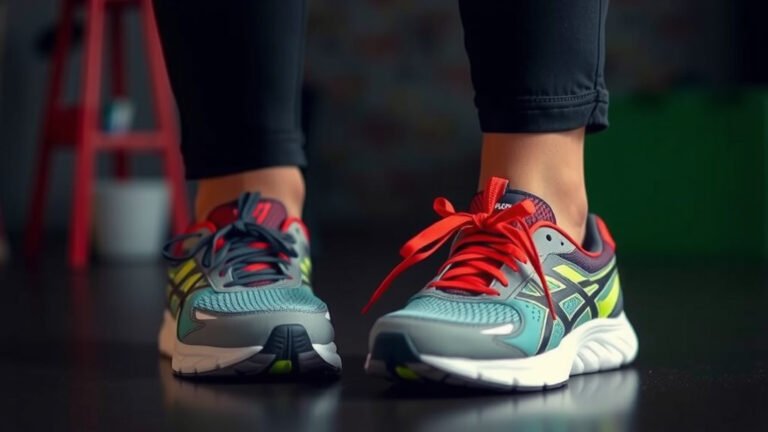
Yes, you absolutely can transition between different running shoe types, but it’s best to do it gradually to avoid injury. Think of it like training for a marathon; you don’t go from couch to 26.2 miles overnight. We found that a slow and steady approach helps your feet and body adjust. This means mixing your old shoes with your new ones for a while. It’s about letting your body get used to the Building a running shoe rotation means having a few pairs to swap between, which aids in gradual transitions.new feel and support.
Switching shoe types, whether from neutral to stability or from heavily cushioned to minimalist, requires patience. Many runners experience discomfort or even injuries if they switch too quickly. We’ve seen that listening to your body is key. Pay attention to any aches or pains. A gentle transition period is the most effective way to keep running happy and healthy.
- Don’t switch overnight.
- Mix old and new shoes.
- Listen to your body for pain.
- Gradual changes prevent injury.
- Allow weeks for adjustment.
Let’s walk through exactly how to make that shoe switch without missing a beat!
Easing Into New Running Shoes
Switching your running shoes is a smart move for your feet. Your body needs time to adjust. We found that a gradual change helps prevent common running injuries. Think of it like adding new foods to your diet. You don’t eat a whole new cuisine at once, right? You try a little bit first.
Why a Gradual Transition Matters
Running shoes offer different levels of cushioning, support, and flexibility. Your feet, ankles, and even your knees get used to the specific feel of your current shoes. When you change that, your body needs to adapt to the new sensations. We’ve seen that many runners get hurt by switching too quickly. This can lead to things like shin splints or plantar fasciitis.
The Risk of the Overnight Switch
Imagine going from a soft, plush bed to a very firm one. You’d likely wake up sore! Your feet are similar. A sudden change can shock your muscles and tendons. They might not be ready for the new stresses. This is why experts advise against just tossing out your old shoes and hitting the road in a brand new pair immediately (Cleveland Clinic).
Your Transition Plan: Step-by-Step
The best way to switch is to use both your old and new shoes. This allows your feet to adapt slowly. We recommend a period of at least two to three weeks for most runners. This timeframe can vary based on the type of shoes you’re switching between.
Phase 1: Introduction and Alternation (Week 1)
Start by wearing your new shoes for short, easy runs. A 15-20 minute jog is a good start. Pair this with runs in your old, comfortable shoes. The goal here is to let your feet get a feel for the new shoe. You’re not asking them to do hard work yet.
Mixing and Matching Your Miles
On day one, try a new shoe run. Day two, use your old pair. If you run three times a week, alternate your shoes for each run. Listen to your body closely. If you feel any unusual tightness or discomfort, switch back to your old shoes for the next run.
Phase 2: Increasing New Shoe Time (Week 2)
Now, you can start increasing the distance in your new shoes. Try a slightly longer run, maybe 30-40 minutes. Continue to alternate with your old shoes for other runs. Your body should be starting to feel more accustomed to the new support and feel.
When to Stick with the Old Pair
If you have a long run planned or a run with hills, it’s wise to stick with your familiar, old shoes. Save the new ones for your easier, shorter days. We found this helps build confidence in the new shoes without overdoing it.
Phase 3: Full Adoption (Week 3 and Beyond)
By the third week, you should feel comfortable running most of your miles in the new shoes. You can now do your longer runs and more challenging workouts in them. Your old shoes can be retired or used for very light activities like walking.
Reading Your Body’s Signals
Pay attention to how your feet and legs feel. Are they recovering well? Do you notice any new aches that linger? If so, you might need a bit more time. Some people take up to a month to fully transition, especially if they’re making a big change in shoe type.
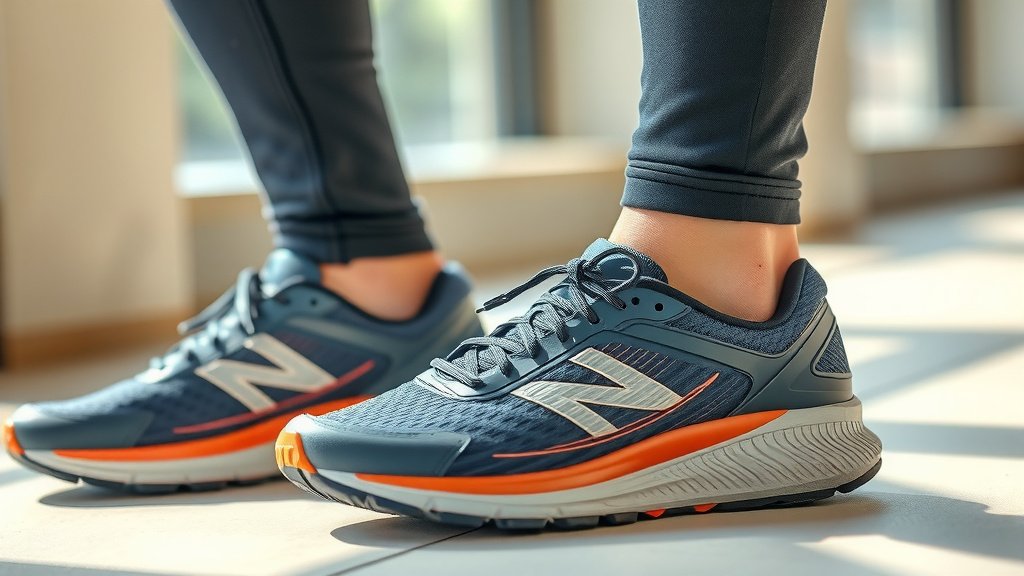
Common Shoe Switch Scenarios and Tips
The transition period can change depending on the types of shoes you’re moving between. Here’s a look at some common switches:
| From Shoe Type | To Shoe Type | Considerations |
|---|---|---|
| Neutral Shoes | Stability Shoes | Focus on how the arch support feels. Ensure it’s not too intrusive. Your foot strike might change slightly. |
| Stability Shoes | Neutral Shoes | Your arches might feel more exposed. Ensure you aren’t rolling inward excessively. |
| Highly Cushioned | Minimalist/Barefoot-Style | This requires the longest transition. Focus on building calf and foot strength. Start with very short durations. Many experts suggest months for this type of switch (National Institutes of Health). |
| Minimalist/Barefoot-Style | Highly Cushioned | Your feet might feel a bit sensitive to impact initially. Be mindful of landing softly. |
| Heavier Trainer | Lighter Racer | Gradually introduce the lighter shoe. Ensure your legs and feet are strong enough for faster paces. |
Listen to Your Feet First and Foremost
No matter the shoe type, your body is the ultimate guide. We found that runners who pay attention to their physical feedback recover faster and avoid injury. If something feels off, don’t push through it. Take a step back.
Checklist for a Smooth Shoe Transition
- Start with short runs in new shoes.
- Alternate old and new shoes for at least two weeks.
- Increase new shoe mileage gradually.
- Avoid long or intense runs in new shoes initially.
- Pay close attention to any aches or pains.
- Consult a running specialist if you have concerns.
Conclusion
Transitioning between running shoe types doesn’t have to be a source of injury. You’ve learned that a gradual approach is your best friend. By mixing your old and new shoes and slowly increasing mileage in the new pair, you give your body ample time to adjust. Remember, listening to your feet is paramount throughout this process. If you feel any pain, dial it back. Your goal is to keep running strong and injury-free. Start your transition plan this week by lacing up those new shoes for a short, easy run!
Frequently Asked Questions
How long does it typically take to transition to new running shoes?
For most runners, a transition period of at least two to three weeks is recommended. This allows your feet, ankles, and legs to gradually get used to the new feel and support. Some runners, especially those making a drastic shoe type change, might need up to a month.
What if I feel discomfort or pain in my new shoes?
If you experience any unusual tightness, aches, or pain in your new shoes, it’s a clear signal to slow down. Immediately switch back to your old, comfortable shoes for your next run. You might need to extend the introduction phase or spend more time alternating your footwear.
Can I transition to minimalist shoes faster than other types?
No, transitioning to minimalist or barefoot-style shoes typically requires the longest and most cautious transition period. This type of switch demands significant adaptation for your calf and foot muscles. Start with very short durations and focus on building strength over several months.
Should I wear my new shoes for my long runs first?
It’s generally best to avoid long or intense runs in new shoes initially. Save your familiar, old shoes for your longest efforts during the transition. Introduce your new shoes with shorter, easier runs to build confidence and allow your body to adapt without overstressing it.
What’s the main difference in transitioning from neutral to stability shoes versus vice-versa?
When moving from neutral to stability, pay attention to how the added arch support feels; it shouldn’t be intrusive. When switching from stability to neutral, your arches might feel more exposed, so monitor for excessive inward rolling of your foot.