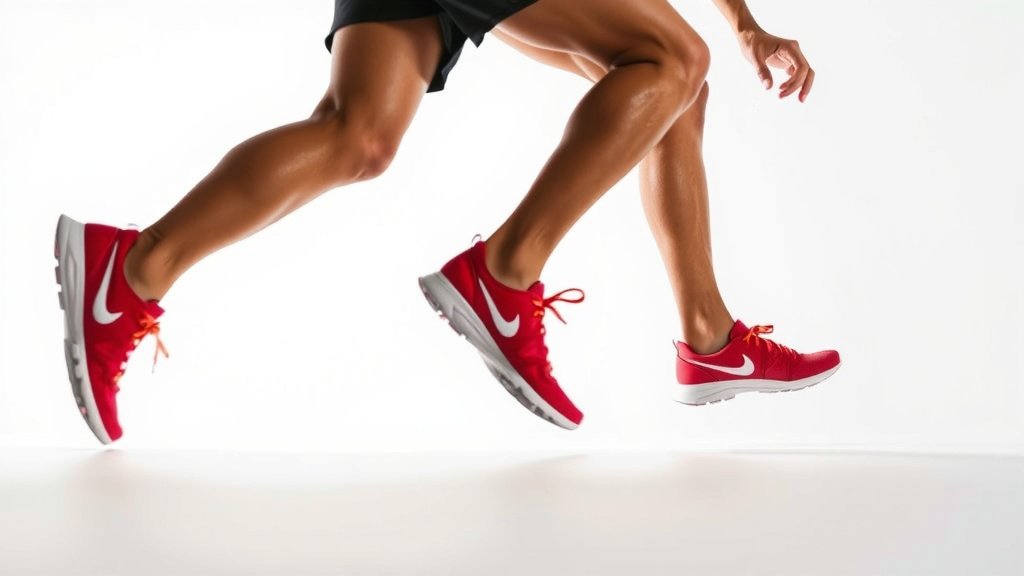
Proprioception for Runners: Your Body’s Inner Compass
Proprioception in running is your body’s internal GPS. It’s the sense that tells you where your feet are without looking. This awareness helps you maintain balance and coordinate your movements while on the go. Think of it as your brain’s direct line to your muscles and joints.
It’s essential for a smooth and efficient stride. Good proprioception helps prevent stumbles and injuries. Many runners underestimate its importance until they experience a sprain. Understanding and improving it can make a big difference in your performance and safety.
- Proprioception is your body’s sense of position.
- It helps you stay balanced while running.
- It prevents injuries by guiding your movements.
- Improving it can boost your running efficiency.
Let’s get a better understanding of what proprioception is and why it matters so much for your runs.
Understanding Your Body’s Internal Navigator for Running
Proprioception is your body’s incredible ability to sense its position and movement in space. Think of it as a sixth sense, constantly feeding your brain information about where your limbs are, how much force they’re exerting, and the tension in your muscles and joints. For runners, this sense is absolutely critical. It’s what allows you to navigate uneven terrain, adjust your stride without conscious thought, and maintain stability on your feet.
When you’re out for a run, your brain is receiving a constant stream of data from your muscles, tendons, and joints. This data tells your brain if your ankle is rolling inward, if your knee is bending too much, or if you’re about to step on a rock. Without this continuous feedback loop, running would feel incredibly clumsy and dangerous. It’s the unseen force that helps you avoid those awkward stumbles and potential injuries.
The Science Behind the Sense
So, how does this magical sense work? It’s all thanks to specialized sensory receptors called proprioceptors. These tiny sensors are located throughout your musculoskeletal system, particularly in your muscles, tendons, and joints. They act like little messengers, sending signals to your brain about stretch, tension, and pressure.
Where are These Receptors Found?
You’ll find these important sensors in several key areas that are vital for running:
- Muscles: Receptors here detect changes in muscle length and tension.
- Tendons: These receptors monitor the force being placed on your muscles.
- Joints: Sensors in your joints, like your ankles, knees, and hips, detect the angle and movement of each joint.
- Skin: While less direct, skin receptors also contribute by sensing pressure.
Proprioception’s Role in Your Stride
When you’re running, your body is in constant motion. Your brain uses the information from your proprioceptors to make split-second adjustments to your posture and movement. This allows for a smooth, coordinated, and efficient stride. Imagine trying to walk on a balance beam; you’re constantly making micro-adjustments to stay upright. Running involves a similar, though less extreme, need for balance and coordination.
This ability to sense where your body is helps you maintain balance even when you’re tired. As fatigue sets in, your proprioceptive abilities can sometimes decrease. This is why many runners experience a higher risk of injury later in their runs. Your brain is getting less clear information, making it harder to react to unexpected challenges.
The Impact on Running Efficiency
Good proprioception also plays a role in how efficiently you run. When your body has a clear understanding of its position and movement, it can use energy more effectively. You’ll likely find yourself using less effort to maintain good form and balance. This can lead to less wasted energy and potentially faster times over longer distances.
Preventing Injuries: Your Body’s Built-in Safety System
This is where proprioception really shines for runners. A well-tuned sense of proprioception acts as your body’s built-in safety system. It helps prevent injuries in a couple of key ways:
- Early Detection: It alerts your brain to potentially harmful positions, like an ankle starting to roll inward. This gives your muscles time to react and correct the movement before an injury occurs.
- Coordination: It ensures your limbs work together harmoniously. This prevents awkward movements or overcompensation that could lead to strains or sprains.
Research has consistently shown that individuals with better proprioception tend to have a lower incidence of ankle sprains and other lower-limb injuries (NCBI). When your body knows exactly where it is, it’s far less likely to get into trouble.
Why Your Proprioception Might Be Lagging
Several factors can affect your proprioceptive abilities. It’s not always about age or genetics. Sometimes, it’s simply a matter of a lack of use or a past injury that has disrupted the sensory pathways.
Past Injuries and Their Lingering Effects
If you’ve ever sprained an ankle or had a knee injury, it might have temporarily (or even permanently) affected your proprioception in that area. The injury itself, and the subsequent inflammation and healing process, can disrupt the delicate network of proprioceptors. Even after the initial pain is gone, the sensory feedback might not be as strong or as accurate.
Many rehabilitation programs for common running injuries, like ankle sprains or ACL tears, place a strong emphasis on re-training proprioception. This is because simply healing the tissue isn’t enough; you need to restore the brain’s ability to get clear signals from that body part.
Lack of Use and Sedentary Lifestyles
Believe it or not, your proprioceptive abilities can weaken if they aren’t regularly challenged. If your daily life doesn’t involve much balancing or varied movement, your body might become less adept at sensing its position. Think of it like any other skill: practice makes perfect. A sedentary lifestyle means fewer opportunities to train this essential sense.
Footwear Choices
The type of shoes you wear can also play a role. Highly cushioned shoes, while comfortable, can sometimes dampen the sensory feedback from your feet. When you wear shoes that offer a lot of “padding” between your foot and the ground, you might feel less of the surface beneath you. This can reduce the input to your proprioceptors, making your sense of position less refined (Cleveland Clinic).
While cushioning is great for some runners, especially those doing long distances on hard surfaces, over-reliance on it might mean you’re not developing your natural proprioceptive abilities as much. It’s about finding a balance that works for your feet and your running style.

How to Improve Your Proprioception for Running
The good news is that proprioception is a skill you can actively train and improve! By incorporating specific exercises and making mindful choices, you can sharpen this sense and become a more stable, efficient, and injury-resistant runner.
Balance Exercises: The Foundation of Good Proprioception
The most direct way to train proprioception is through balance exercises. These challenge your body to make constant adjustments to stay upright, directly engaging those proprioceptors.
- Single-Leg Stance: Simply stand on one leg. Start with 30 seconds per leg and work your way up.
- Tandem Stance: Stand with one foot directly in front of the other, heel to toe.
- Eyes Closed Variations: Once you’re comfortable, try closing your eyes during these exercises. This significantly increases the challenge!
Incorporating Unstable Surfaces
Challenging your balance on different surfaces forces your body to react to subtle shifts and changes. This is excellent for proprioceptive training.
- Balance Boards: These are fantastic tools for improving ankle and leg stability.
- Wobble Cushions: Placing these under your feet while doing exercises like squats or lunges adds a proprioceptive challenge.
- Uneven Terrain: Running on trails, grass, or sand naturally works your proprioception more than running on a perfectly flat treadmill. Incorporate trail running or varied terrain into your week to naturally work your proprioception more.
Strength Training with a Proprioceptive Focus
Many strength exercises can be modified to improve proprioception. It’s not just about lifting heavy weights; it’s about controlled movement.
- Pistol Squats (Assisted): These single-leg squats require immense balance and proprioceptive control. Start by holding onto something for support.
- Lunges with Twists: As you lunge forward, twist your torso. This engages your core and challenges your balance.
Mindful Running Practices
Even during your regular runs, you can pay more attention to your body’s signals. Think about how your feet are landing, how your ankles are feeling, and the general stability of your stride.
Checklist: Boost Your Body’s Internal GPS
Ready to sharpen your proprioception? Try incorporating these:
- Practice standing on one leg for 1 minute daily.
- Try a few balance exercises with your eyes closed.
- Incorporate trail running or varied terrain into your week.
- Use a balance board or wobble cushion 2-3 times a week.
- Focus on controlled movements during your strength training.
- Pay attention to your foot strike and ankle stability while running.
Conclusion
You’ve learned that proprioception is your body’s essential internal GPS, guiding your every step. It’s your built-in safety system, helping you maintain balance and avoid injuries on the run. You also discovered how past injuries, sedentary habits, or even certain footwear can affect this vital sense.
The best part? You can actively improve your proprioception. By incorporating simple balance exercises, challenging yourself on varied terrain, and practicing mindful running, you’re setting yourself up for a more stable, efficient, and enjoyable running experience. Start today by adding one new balance exercise to your routine!
Frequently Asked Questions
Can poor proprioception actually cause running injuries?
Yes, absolutely. When your body can’t accurately sense its position, it’s more likely to stumble or land awkwardly. This can lead to issues like ankle sprains or knee pain because your muscles can’t react quickly enough to correct a bad position.
How soon will I notice improvements in my proprioception?
Improvements can be noticeable within a few weeks of consistent practice. As you regularly challenge your balance and body awareness, your proprioceptors will become more efficient, and your brain will get clearer signals. You might feel more stable on uneven surfaces or less fatigued during longer runs.
Are balance exercises enough to improve proprioception for running?
Balance exercises are a fantastic starting point and highly effective. However, incorporating varied terrain into your runs and focusing on controlled movements during strength training will provide even more comprehensive benefits. Combining these approaches will give you the best results.
Can I improve proprioception even if I have a history of ankle injuries?
Definitely. In fact, if you have a history of injuries, retraining proprioception is often a key part of rehabilitation. Gentle exercises on stable surfaces, gradually progressing to more challenging ones, can help rebuild those sensory pathways and restore confidence in your ankle’s stability.
Should I stop wearing cushioned running shoes to improve proprioception?
Not necessarily. While highly cushioned shoes can dampen sensory feedback, they also offer protection and comfort for many runners. The goal isn’t to eliminate cushioning entirely, but to balance it with exercises that strengthen your proprioceptive abilities. Consider incorporating some runs in less cushioned shoes or exploring minimalist options if appropriate for you.