Firm vs Soft Shoes: How to Choose the Right Feel
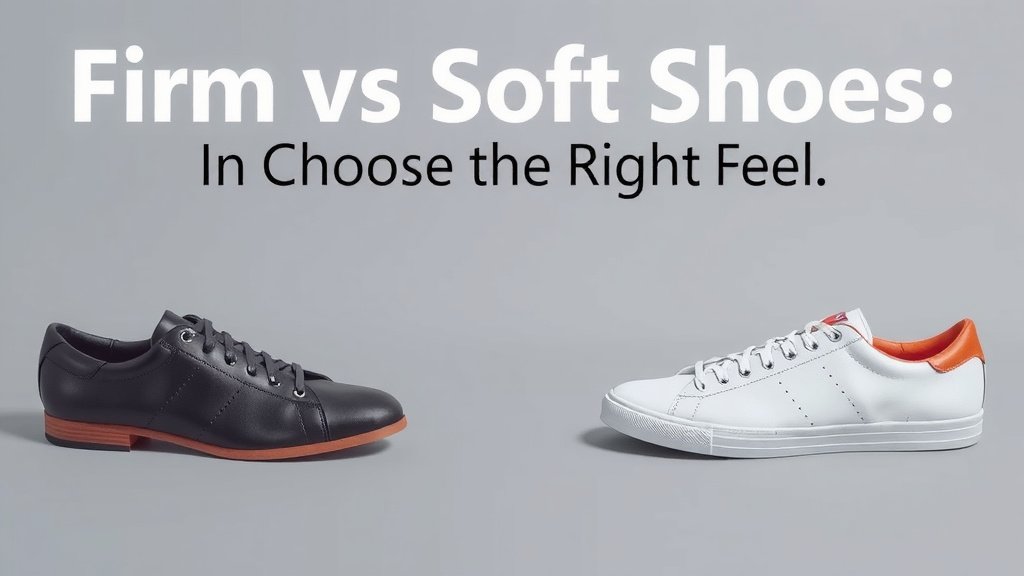
Choosing between firm and soft shoes depends on your activity and foot type. Firm shoes offer more support for activities like running or hiking. Soft shoes provide comfort and flexibility for casual wear. Many people find a balance works best for their daily needs.
Your shoe’s firmness impacts your comfort and performance. Too soft might lack necessary support, leading to aches. Too firm could feel stiff and uncomfortable. We’ve found that understanding your personal needs is key to making the right choice.
- Firm shoes are best for high-impact activities.
- Soft shoes are ideal for everyday comfort.
- Consider your foot arch and gait.
- Try shoes on with the socks you normally wear.
Let’s break down the differences between firm and soft shoes so you can find your perfect pair.
Deciding Between Firm and Soft Shoes: What Works for You
Choosing the right shoe firmness is like picking the perfect pillow. It’s all about what feels good and supports your body properly. We’ve found that understanding your needs can make all the difference.
Your choice impacts how your feet feel, especially after a long day. Too much softness might leave your feet aching. Too much firmness can feel stiff and restrictive. Let’s look at how to make the best choice for your feet.
Understanding Shoe Firmness: A Deeper Look
Shoe firmness isn’t just about how they feel when you first try them on. It relates to the shoe’s construction and materials. This construction influences how much support and cushioning they provide. We found that a shoe’s midsole plays a big role here.
What Makes a Shoe Firm?
Firm shoes typically have denser foams or stiffer materials in their midsole. This provides a more stable base. They resist bending easily and offer substantial support. Think of them as a sturdy foundation for your foot.
This firmness is important for activities where your feet take a lot of impact. Running, hiking, or even standing for long periods can benefit from this kind of support. Many experts say a firmer shoe helps distribute pressure more evenly (American Podiatric Medical Association).
What Makes a Shoe Soft?
Soft shoes use more pliable materials. They are designed to be flexible and cushiony. They bend easily and feel plush underfoot. These shoes often feel comfortable right out of the box.
Softness is great for comfort during casual activities. Walking around town or relaxing at home is where these shoes shine. They provide a gentle embrace for your feet. However, some people with certain foot conditions might find them lacking in necessary support.
Your Activity Dictates Your Shoe Choice
The primary driver behind your shoe firmness decision should be what you’ll be doing in them. Are you planning on hitting the trails or just running errands?
For High-Impact and Athletic Pursuits
If you’re an athlete or engage in activities that involve a lot of movement and impact, firm shoes are often recommended. They help absorb shock and provide stability. This can reduce the risk of injuries.
Running and Training
For runners, especially those on harder surfaces, a shoe with a good balance of cushioning and firmness is key. Some research suggests that shoes that are too soft might not offer enough support, potentially leading to overpronation or other gait issues (National Institutes of Health).
Hiking and Trail Adventures
Hikers need shoes that can handle uneven terrain. Firm soles provide better grip and prevent your foot from rolling. They also protect your feet from sharp rocks and roots.
For Everyday Comfort and Casual Wear
If your daily routine involves a lot of sitting or light walking, soft shoes might be your best friend. They offer that cozy, relaxed feel.
Walking and Daily Errands
For leisurely walks or just getting around town, flexibility and comfort are usually the top priorities. Soft, lightweight shoes allow your feet to move naturally. They feel great for shorter distances.
Home and Loungewear
Slippers and casual house shoes are almost always soft. They provide warmth and a gentle cushion for your feet while you’re at home. This is where supreme softness is usually desired.
Consider Your Foot Type and Gait
Beyond just activity, your unique foot structure plays a huge role. What works for one person might not work for another.
Arch Support Needs
Do you have high arches, flat feet, or neutral arches? This can influence how your foot rolls when you walk or run (your gait).
- Flat Feet: Often benefit from firmer shoes with good stability control to prevent excessive inward rolling (pronation).
- High Arches: May need more cushioning, so a softer shoe with good shock absorption could be beneficial, as they tend to have less natural shock absorption.
- Neutral Arches: Have more flexibility and can often wear a wider range of shoes, from moderately soft to firm.
We found that understanding your arch type is a significant step in finding the right shoe. Many shoe stores offer gait analysis to help you figure this out.
Gait Analysis: What It Tells You
Gait analysis involves observing how your feet move when you walk or run. It helps identify if you overpronate (foot rolls inward too much), supinate (foot rolls outward too much), or have a neutral gait. Gait analysis involves observing how your feet move when you walk or run, helping identify your foot strike.
If you overpronate, a firmer shoe with motion control might be necessary. If you supinate, you might need more cushioning and flexibility. A neutral gait means you have more freedom in your shoe choice.
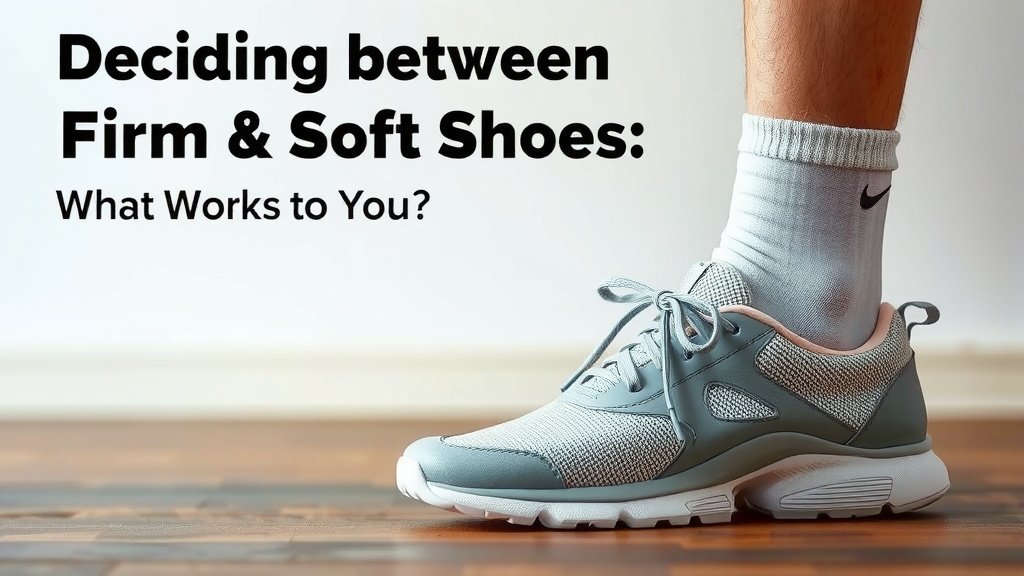
The Importance of Trying Shoes On
Reading reviews and understanding your needs is important, but nothing beats actually trying shoes on. This is non-negotiable for finding the perfect fit and feel.
Wear Your Usual Socks
Always try on shoes with the type of socks you normally wear for that activity. Thicker socks will take up more space. This simple step can prevent you from buying shoes that are too tight.
Test Them Out
Walk around the store. Mimic the movements you’d do in the shoes. Do they feel stiff? Do they pinch anywhere? Do your feet feel supported? Trust your feet; they’ll tell you what they need.
A Quick Checklist for Your Shoe Shopping Trip
To help you remember the key points, here’s a handy checklist:
- Know your activity: Will you be running, hiking, or just relaxing?
- Consider your arch type: Flat, high, or neutral?
- Think about your gait: Do you overpronate, supinate, or walk neutrally?
- Try them on: Always test shoes before buying.
- Wear your typical socks: Ensure accurate sizing.
- Walk around: Feel for comfort and support.
When a Balanced Approach Might Be Best
Many people don’t exclusively need a super firm or a super soft shoe. Often, a shoe with a good balance of cushioning and support hits the sweet spot. These shoes offer comfort for everyday wear but still provide enough stability for light activity.
Brands are constantly innovating with new foams and materials. This allows for shoes that feel soft yet offer surprising support. Don’t be afraid to look for shoes that strike this middle ground. It might be your perfect compromise.
| Feature | Firm Shoes | Soft Shoes |
|---|---|---|
| Midsole Density | Higher density, less compressible | Lower density, more compressible |
| Flexibility | Less flexible, resists bending | More flexible, bends easily |
| Support Level | High, stable | Moderate to low |
| Shock Absorption | Moderate | High |
| Best For | Running, hiking, high-impact sports, stability needs | Casual wear, walking, relaxing, comfort needs |
| Feel | Structured, supportive, stable | Cushioned, plush, flexible |
Conclusion
You’ve learned that choosing between firm and soft shoes boils down to your unique needs. We’ve seen how your activity, foot type, and gait all play a role. Firm shoes offer essential stability for high-impact pursuits, protecting your feet and joints. Soft shoes provide plush comfort for everyday wear and relaxation.
Remember, there’s often a middle ground! Many shoes offer a balance of cushioning and support. The best way to find your perfect pair is to try them on with your usual socks. Trust your comfort and how your feet feel during a test walk. Your next step is to assess your daily activities and head to a store with your new knowledge!
Frequently Asked Questions
Can I wear soft shoes for running?
Generally, soft shoes aren’t ideal for serious running, especially on hard surfaces. They might not provide enough support or shock absorption. This could lead to discomfort or injuries over time. You might find them better suited for very light jogs or treadmill use if you prefer a softer feel.
How do I know if I need firm or soft shoes for walking?
For everyday walking and errands, a softer shoe often provides great comfort. However, if you have flat feet or experience foot pain after walking, a firmer shoe with good arch support might be more beneficial. Pay attention to how your feet feel after a walk in your current shoes.
My doctor recommended firm shoes. What should I look for?
If a doctor or podiatrist recommended firm shoes, they likely want to enhance stability and support. Look for shoes with a dense midsole that doesn’t bend easily. Shoes with good heel counters and arch support are usually good options. Don’t hesitate to ask store staff for stability-focused models.
What if my feet feel tired at the end of the day, regardless of shoe type?
Foot fatigue can signal a need for better support or cushioning. If you’re wearing soft shoes, they might lack support. If you’re wearing firm shoes, they might lack adequate cushioning. Consider trying a shoe that offers a balance, or consult a podiatrist for personalized advice on your foot health.
Can I use the same shoes for hiking and running?
While some shoes can do double duty, it’s usually best to have separate pairs. Running shoes are designed for forward motion and impact on predictable surfaces. Hiking shoes offer more rugged soles for uneven terrain and ankle support. Using the wrong shoe for an activity can reduce performance and increase injury risk.