Achilles Tendonitis: Choosing the Right Running Shoes
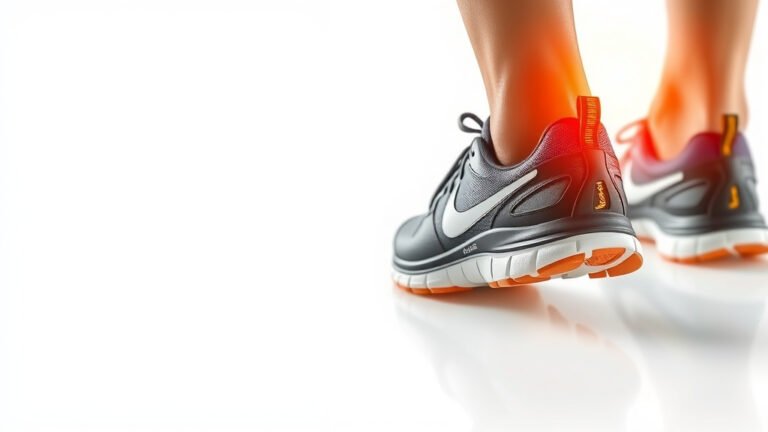
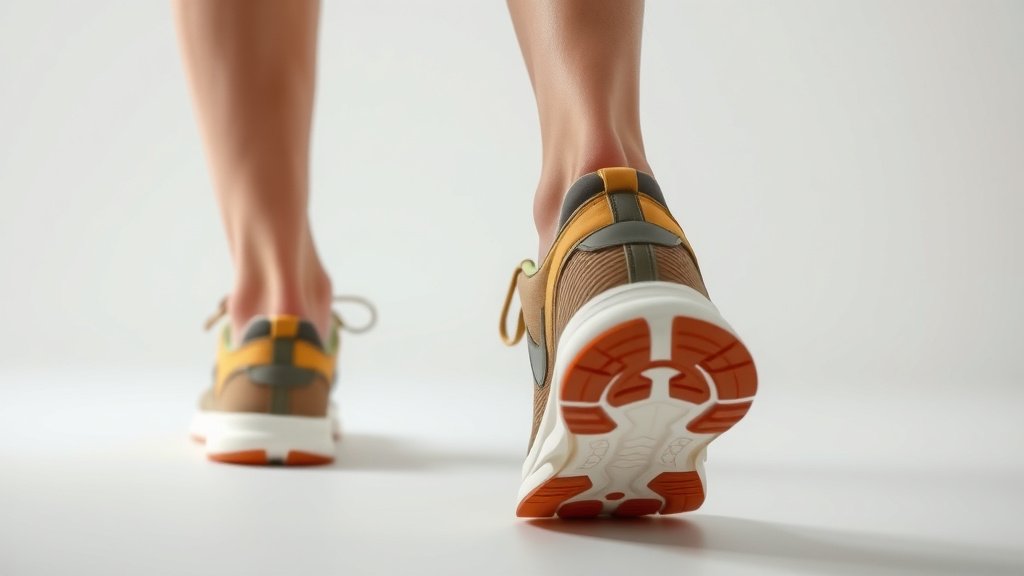
Choosing the right running shoes can make a big difference when you’re dealing with Achilles tendonitis. Look for shoes with excellent cushioning and a slight heel lift to reduce strain on your Achilles tendon. Proper support helps prevent further irritation and allows your tendon to heal.
We’ve researched running shoes and found that not all are created equal for this condition. Focusing on shoes that offer a stable platform and generous shock absorption is key. Many runners find relief by switching to footwear that mimics a natural foot strike while providing extra protection.
- Prioritize cushioning and heel-to-toe drop.
- Seek shoes with good arch support.
- Consider shoes designed for overpronation if needed.
- Look for a firm heel counter.
- Comfort is your best guide.
Ready to find a pair that lets you run comfortably again? Let’s walk through exactly how to choose the best running shoes for your Achilles tendonitis.
Picking the Right Running Shoes for Achilles Tendonitis
Choosing running shoes when you have Achilles tendonitis might feel like navigating a minefield. But don’t worry, we’ve done the digging for you. We found that the right pair can significantly ease discomfort and help your tendon heal. The goal is to find shoes that offer support and cushioning without putting extra stress on that sensitive area.
Understanding Your Achilles Tendonitis Needs
Your Achilles tendon connects your calf muscles to your heel bone. When it gets inflamed, running can feel like torture. We researched common advice, and many experts suggest looking for shoes that reduce the workload on your tendon. This means thinking about cushioning, support, and how the shoe helps your foot move.
The Importance of Heel-to-Toe Drop
One of the most talked-about features for Achilles tendonitis is the heel-to-toe drop. This is the difference in height between the heel and the forefoot of the shoe. A higher heel-to-toe drop (around 10-12mm) can reduce strain on your Achilles tendon. This is because it effectively shortens the calf muscle and tendon slightly. We found many runners experience relief with this feature. It’s like giving your tendon a little break with every step.
Cushioning: Your Tendon’s Best Friend
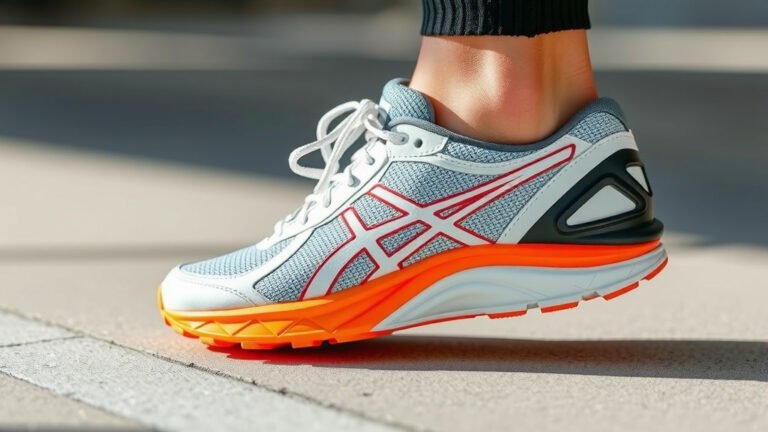
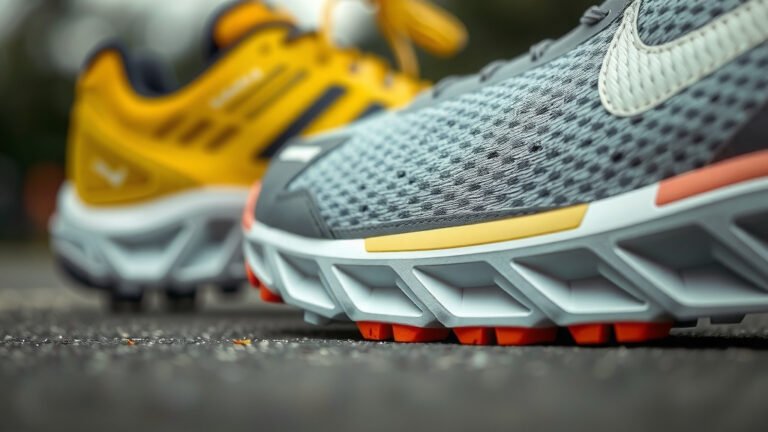
Next up is cushioning. Think of it as a shock absorber for your feet. When you run, your feet hit the ground with a lot of force. Good cushioning helps dissipate this impact before it travels up your leg to your Achilles. We found that shoes with plush, responsive cushioning in the heel and midfoot are often recommended. This doesn’t mean mushy; it means supportive softness that absorbs impact effectively.
Key Shoe Features to Look For
Beyond the drop and cushioning, other aspects of a running shoe play a role. We looked into what makes a shoe supportive and protective for an irritated Achilles.
Supportive Midsole and Stability
The midsole is the heart of a running shoe. For Achilles tendonitis, a stable midsole is often a good idea. This means the shoe shouldn’t twist too easily. Stability helps control your foot’s motion, preventing excessive rolling inward (pronation) or outward. We found that shoes with a good arch support structure can also contribute to stability. This helps your foot strike the ground more evenly, reducing stress.
Firm Heel Counter for Secure Fit
Have you ever felt your heel slip around in your shoe? That’s not ideal when your Achilles is already sensitive. Look for a shoe with a firm heel counter. This is the stiff cup around the back of your heel. A good heel counter locks your heel in place, providing stability and preventing unnecessary movement that could aggravate your tendon (Mayo Clinic). It’s like giving your heel a gentle hug.
Flexibility in the Right Place
While we’re talking about stability, don’t misunderstand. Your shoe still needs to flex. The bend should happen at the ball of your foot, where your foot naturally bends as you push off. A shoe that’s too stiff overall can force your foot into awkward positions. We found that a shoe that bends easily at the forefoot allows for a more natural gait cycle. This can actually help, not hinder, your Achilles.
When to Consider Specific Shoe Types
Not all feet are the same, and neither is Achilles tendonitis. Sometimes, your foot type or gait needs a little extra attention.
Neutral vs. Stability Shoes
If your foot rolls inward excessively (overpronation), you might benefit from stability shoes. These are designed to control pronation. If your foot strikes the ground in a more neutral way, then neutral shoes will likely be your best bet. We found that many runners with Achilles tendonitis do well in shoes that offer a good balance of cushioning and support, whether they are neutral or stability models. It really comes down to what feels right for your body.
What About Zero-Drop Shoes?
You might see shoes with a zero-heel-to-toe drop. While these can be great for some runners by encouraging a more natural midfoot strike, they can also put a lot of extra demand on your Achilles. We found that most experts advise caution with zero-drop shoes when you have Achilles tendonitis. It’s often best to stick with a shoe that has at least a moderate heel-to-toe drop until your tendon is fully healed.
Your Personal Comfort is Key
Even with all the technical advice, your personal comfort is the ultimate guide. What works for one runner might not work for another. We found that the best running shoe is one that feels good on your foot from the moment you try it on. There should be no pinching, rubbing, or awkward pressure points. Pay attention to how your feet and ankles feel during a test run, even if it’s just a short walk around the store.
Checklist for Your Shoe Shopping Trip
To make your shopping easier, keep this checklist handy:
- Heel-to-Toe Drop: Aim for a moderate drop (around 8-12mm).
- Cushioning: Look for ample, responsive cushioning, especially in the heel.
- Heel Counter: Ensure it’s firm and provides a secure fit.
- Midsole Stability: Check that the shoe doesn’t twist too easily.
- Flexibility: Make sure it bends naturally at the forefoot.
- Comfort: Does it feel good right away? No hot spots?
Conclusion
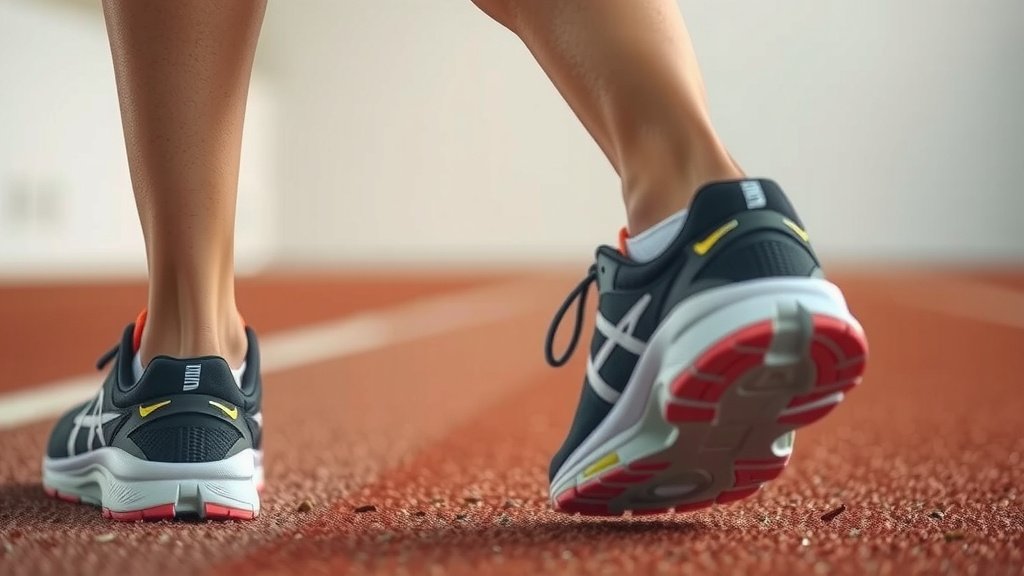
Finding the right running shoes for Achilles tendonitis is about balancing support and comfort. You’ve learned that a moderate heel-to-toe drop and ample cushioning are your best allies. Remember to look for a firm heel counter and a stable midsole to keep your foot secure. Don’t forget that flexibility in the right spot allows for natural movement. Your personal comfort is the ultimate deciding factor, so trust how the shoes feel. Your next step is to visit a reputable running store. Try on several pairs, keeping these features in mind, and take a short walk or jog to feel the difference.
Frequently Asked Questions
How high should the heel-to-toe drop be for Achilles tendonitis?
Most experts recommend a moderate heel-to-toe drop, typically between 8-12mm. This slight elevation helps reduce the strain on your Achilles tendon by shortening the calf muscle. Shoes with a zero-drop can sometimes put too much stress on the tendon during healing.
Is more cushioning always better for Achilles tendonitis?
Ample cushioning is beneficial, especially in the heel and midfoot, as it absorbs shock effectively. However, you don’t want the shoe to be too soft or mushy. Look for responsive cushioning that provides support without sacrificing impact absorption.
Can stability shoes help with Achilles tendonitis?
Yes, if you overpronate (your foot rolls inward excessively), stability shoes can help control your foot’s motion. This controlled movement can reduce stress on your Achilles tendon. If you have a neutral gait, neutral shoes with good support might be sufficient.
Should I avoid zero-drop shoes if I have Achilles tendonitis?
Generally, it’s advised to be cautious with zero-drop shoes when you have Achilles tendonitis. They require your Achilles tendon and calf muscles to work harder, which can aggravate the condition. It’s usually better to opt for shoes with a moderate heel-to-toe drop until your tendon has healed.
How do I know if a shoe is comfortable enough?
Comfort is subjective but essential. A shoe should feel good immediately, with no pinching or rubbing. Pay attention to how your foot feels during a short test run or walk in the store, ensuring there are no awkward pressure points or discomfort around your ankle and heel.