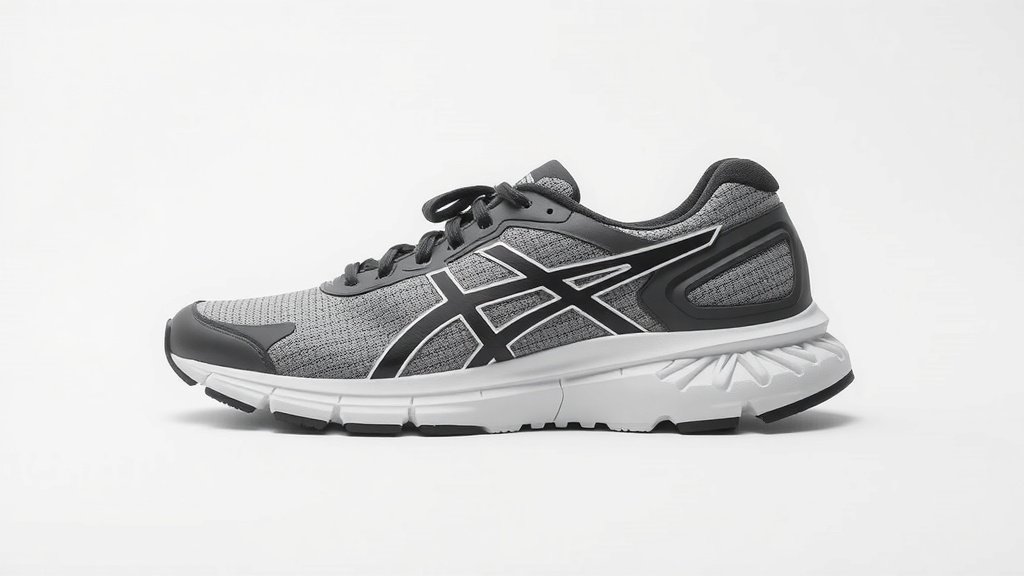
Why You Need More Than One Pair of Running Shoes
You should absolutely have more than one pair of running shoes because rotating between them helps reduce injury risk and extend the life of each pair. Wearing the same shoes every single run puts repetitive stress on your feet and legs. Giving your shoes a day off allows them to properly air out and recover their cushioning.
Think of it like rotating your tires on your car. Different shoes offer different support and cushioning levels, which can benefit your body in various ways. This practice is recommended by many running experts to help prevent common running ailments. Plus, it’s a great excuse to try out new styles!
- Reduces injury risk by varying impact.
- Helps shoes last longer by allowing recovery.
- Provides different types of support and cushioning.
- Keeps your feet feeling fresher on runs.
Let’s dive into why rotating your running shoes is a smart move for any runner.
Why Rotating Your Running Shoes is a Smart Idea
Having more than one pair of running shoes might seem like a luxury. But we found that it’s a practical step for almost every runner. It directly impacts your comfort, performance, and most importantly, your health.
Think about it: you wouldn’t wear the same pair of work boots every single day without giving them a break, right? Your running shoes work just as hard, if not harder. Letting them recover between runs is a key strategy.
Reducing the Risk of Running Injuries
One of the biggest benefits of rotating your running shoes is injury prevention. When you wear the same pair day after day, you’re repeatedly placing the same kind of stress on your feet, ankles, and legs. This can lead to overuse injuries.
The Science Behind Stress and Recovery
When you run, your shoes compress. The foam and cushioning materials absorb the impact of your foot strikes. Over time, this material can become permanently compressed if it doesn’t have time to bounce back.
We found that giving your shoes 24-48 hours off allows the foam to rebound. This means each run starts with shoes that offer closer to their original cushioning and support. This variability in stress is good for your body.
Varying the Load on Your Body
Different shoes offer different types of support and cushioning. Some might be more rigid, while others are softer. Some might have a rockered sole, and others a more traditional feel.
When you switch between pairs, you change the exact way your foot interacts with the ground. This variation is like a mini-workout for your muscles and tendons. It helps them become more robust and less prone to getting overloaded in one specific way (American College of Sports Medicine).
Specific Injuries You Might Avoid
Many common running injuries, like plantar fasciitis, shin splints, and Achilles tendinitis, are linked to repetitive stress. By rotating shoes, you reduce the repetitive nature of this stress.
This is especially true if you have one pair that’s slightly less supportive or has worn down in certain areas. Using a newer, more supportive pair on harder runs can make a difference. We found this to be a common recommendation from sports medicine professionals.
Extending the Lifespan of Your Running Shoes
Running shoes aren’t cheap. You want them to last as long as possible. Rotating your shoes is a fantastic way to get more miles out of each pair.
The Shoe’s “Recovery” Process
As we mentioned, the cushioning in running shoes, typically EVA foam, gets compressed with each step. This compression can be significant, especially after a long or hard run.
When the shoe is off your foot, it can slowly expand back to its original shape. This “recovery” process is vital for maintaining the shoe’s integrity. If you run in them every day, they never get this chance to recover.
Preventing Premature Wear and Tear
Running in wet conditions, for example, can also impact shoe materials. Allowing shoes to dry out completely between uses is important. Moisture can break down foams and adhesives over time.
By having a second pair ready, you ensure that a wet or muddy pair gets ample time to dry and recover. This simple act prevents the materials from degrading faster than they should.
| Benefit | Single Pair | Multiple Pairs |
|---|---|---|
| Injury Risk | Higher (Repetitive Stress) | Lower (Varied Stress) |
| Shoe Lifespan | Shorter | Longer (Recovery Time) |
| Cushioning Effectiveness | Decreases Faster | Maintained Longer |
| Foot Fatigue | Can Increase | Often Reduced |
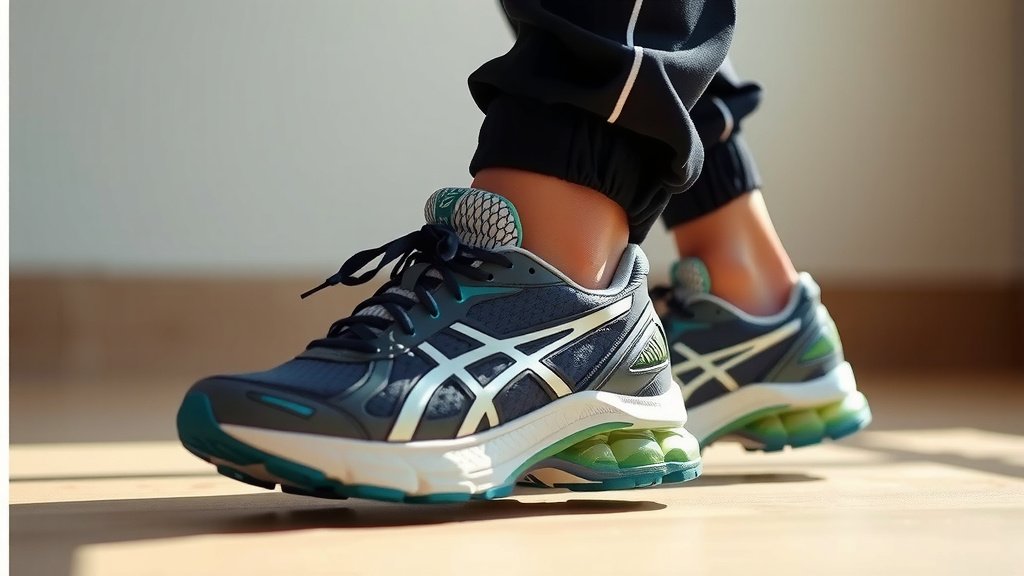
Enhancing Your Running Experience
Beyond injury prevention and shoe longevity, having multiple pairs can simply make your runs more enjoyable. Different shoes can cater to different types of runs and even your mood.
Matching Shoes to Your Run Type
Do you do long, slow runs? Maybe you prefer a plush, maximally cushioned shoe for those. What about speed work or tempo runs? A lighter, more responsive shoe might feel better for those sessions.
Rotating allows you to pick the shoe that best suits the specific demands of that day’s workout. It’s like having the right tool for the job. This can lead to more efficient and enjoyable running.
The Psychological Boost
Sometimes, just lacing up a fresh, different pair of shoes can give you a mental lift. It breaks up the monotony and can make you feel more excited about your run.
We found that runners often report feeling more motivated when they have options. It’s a small thing, but it can contribute to a more positive overall running experience.
Testing and Trying New Technologies
The running shoe market is always innovating. You might find yourself curious about new foams, plate technologies, or upper designs.
Having multiple pairs gives you the perfect opportunity to try these out without committing your only pair to a potentially unfamiliar feel. You can test them on shorter runs first. This helps you understand if they work for your biomechanics.
Getting Started with Shoe Rotation
You don’t need a massive shoe collection. Even having two pairs and alternating them can make a significant difference. If you run frequently, three pairs are often ideal.
Here’s a simple checklist to help you start:
- Buy your second pair of running shoes.
- Aim for at least 24 hours between runs in the same pair.
- Consider different types of shoes for different runs.
- Pay attention to how each pair feels.
- Replace shoes when they reach their mileage limit (typically 300-500 miles).
Conclusion
You’ve learned why rotating your running shoes isn’t just a runner’s quirk, but a smart strategy for your body and your gear. Giving your shoes a break allows them to recover their cushioning and support, helping to prevent overuse injuries like shin splints or plantar fasciitis. It also means your shoes will last longer, saving you money in the long run. By switching between pairs, you introduce beneficial variation to your stride, keeping your feet and legs stronger.
Ready to make the switch? Start by purchasing your second pair of running shoes. Aim to give each pair at least a day off between runs. You’ll likely find your runs feel fresher and your body more resilient.
Frequently Asked Questions
How many pairs of running shoes do I actually need?
Most runners find that having two to three pairs is ideal. Two pairs allow you to rotate effectively, giving each shoe adequate recovery time. Three pairs can be even better if you run very frequently or want to match shoes to different types of runs.
Can I rotate between trail running shoes and road running shoes?
Yes, absolutely! This is a great way to rotate. Trail shoes offer different support and protection for off-road conditions, while road shoes are built for pavement. Alternating between them gives your feet varied stimuli and ensures each type of shoe is used for its intended purpose.
What’s the minimum break-in period for a new pair of running shoes before rotating?
You don’t typically need a long break-in period for modern running shoes. Many runners find they can use a new pair for a shorter run first to get a feel for them. Then, you can start rotating them into your regular schedule without issue.
How do I know when my running shoes are too worn out to rotate effectively?
Running shoes generally last between 300 to 500 miles. You’ll notice reduced cushioning, increased aches and pains after runs, or visible wear on the outsole and midsole. At this point, it’s time to replace them, even if you’ve been rotating them.
Is it okay to wear my gym shoes for running if I only run occasionally?
While you might get away with it for very short, infrequent runs, gym shoes are typically not designed for the repetitive impact of running. They often lack the cushioning and support needed. Rotating dedicated running shoes, even if you don’t run daily, is a much better choice for injury prevention.