
Choosing Running Shoes: Your Jogging Guide
Choosing the right running shoes for jogging is all about finding the perfect balance of comfort and support for your unique feet. You’ll want to consider your foot strike and the amount of cushioning you prefer. It’s less about brand names and more about how the shoe feels on your foot.
We found that many new runners overlook how important the right shoe is. Wearing shoes that don’t fit well can lead to discomfort and even injuries. Your shoes are your most important piece of gear for a happy jogging journey.
- Consider your foot strike (how your foot lands).
- Think about the level of cushioning you need.
- Try on shoes to see how they feel.
- Don’t forget about sock thickness.
Ready to lace up with the perfect pair? Let’s walk through exactly how to choose running shoes that will make your jogs feel amazing.
Finding Your Perfect Jogging Shoe Match
Choosing the right running shoe is like picking a dance partner for your feet. You want someone who feels good, offers solid support, and moves with you effortlessly. We’ve found that getting this right can make a huge difference in your jogging comfort and overall enjoyment.
Understanding Your Foot’s Needs
Your Unique Foot Strike Matters
How your foot lands when you jog is super important. This is called your foot strike. Are your heels hitting the ground first? Do you land more on the middle of your foot? Or maybe you’re a forefoot striker, landing on the balls of your feet?
The way you land affects the type of support and cushioning your shoes need. For example, if you’re a heavy heel striker, you might want more cushioning in the heel. We found that understanding this can prevent discomfort down the road (American Academy of Podiatric Sports Medicine).
Arch Height: High, Medium, or Flat?
Your arch is the curve on the bottom of your foot. It acts like a natural shock absorber. Most people have one of three arch types: normal, flat, or high.
You can check your arch type with a simple wet test. Wet your feet and step onto a piece of paper or a dry, flat surface. Look at the footprint you leave behind. A full footprint with little to no curve suggests flat arches. A print with a very narrow or no connection between the heel and the ball of your foot points to high arches. A print with a distinct curve but a visible band of your foot indicates a normal arch.
Why does this matter? Your arch type influences how your foot rolls inward (pronation) when you move. Understanding your arch helps you pick shoes that offer the right kind of stability.
Pronation: The Natural Roll
Pronation is the natural inward rolling motion of your foot as it lands. It’s how your body absorbs shock. There are three main types:
- Neutral Pronation: Your foot rolls inward a normal amount. This is ideal for shock absorption.
- Overpronation: Your foot rolls inward too much. This can happen with flat arches and may lead to strain.
- Supination (Underpronation): Your foot doesn’t roll inward enough, or even rolls outward. This is common with high arches and can reduce shock absorption.
Many running shoe brands design shoes to accommodate these different pronation patterns. Shoes for overpronators often have extra support on the inside. Shoes for supinators usually offer more cushioning and flexibility.
Key Shoe Features to Consider
Cushioning Levels: Soft, Balanced, or Responsive?
Think about how much padding you want underfoot. Running shoes come with varying degrees of cushioning.
- Maximum Cushioning: These shoes feel like clouds. They offer a super soft ride and are great for absorbing impact. They can be beneficial if you’re logging long miles or need extra shock absorption.
- Moderate Cushioning: This is a good middle ground. You get decent comfort and shock absorption without feeling like you’re sinking into the shoe. Many runners find this balance works well for everyday jogs.
- Minimal Cushioning (or Barefoot-style): These shoes offer very little padding. They promote a more natural foot motion and can help build foot strength. However, they require a gradual transition and may not be suitable for everyone, especially beginners.
Research suggests that the amount of cushioning can affect impact forces, but personal preference plays a huge role in comfort (Journal of Sports Sciences).
Fit and Feel: The Most Important Test
This is where you get to be the expert on your own feet! No matter what experts say or what the shoe promises, if it doesn’t feel good, it’s not the right shoe for you.
When you try on shoes, make sure you have enough room in the toe box. You should have about a thumb’s width of space between your longest toe and the end of the shoe. Your heel should feel snug and not slip when you walk or jog in place. The shoe should feel comfortable across the width of your foot, not too tight or too loose.
Don’t forget your socks! Always try on running shoes with the type of socks you plan to wear while jogging. Thicker socks will take up more space and change the fit of the shoe.
Shoe Weight and Flexibility
Generally, lighter shoes can feel faster and more responsive. Heavier shoes often offer more cushioning and support. For everyday jogging, a medium-weight shoe is usually a good choice. You want a shoe that bends naturally with your foot, especially at the ball of your foot.
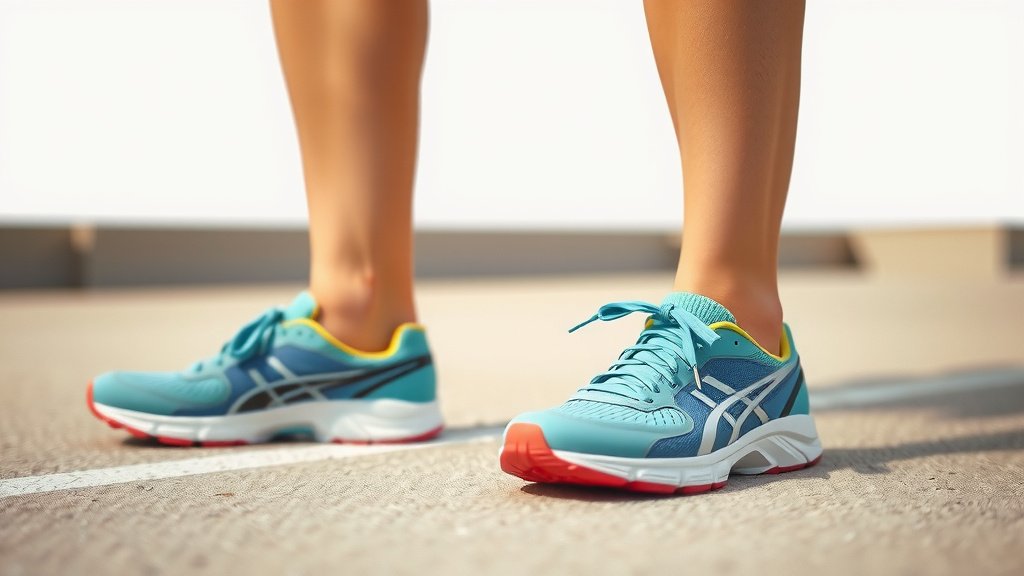
Putting It All Together: Your Shoe Shopping Checklist
Ready to shop? Here’s a quick checklist to guide you:
- Know your foot strike and arch type.
- Decide on your preferred cushioning level.
- Visit a specialty running store if possible.
- Try on shoes late in the day when your feet are slightly swollen.
- Wear your usual jogging socks during the fitting.
- Walk and jog around in the shoes to test the fit and feel.
When to Replace Your Running Shoes
Even the best running shoes wear out. Over time, the cushioning breaks down, and the support diminishes. This can increase your risk of injury. Most experts recommend replacing running shoes every 300 to 500 miles.
Pay attention to how your shoes feel. If you start noticing new aches or pains, or if the outsoles look very worn down, it might be time for a new pair. We found that keeping track of your mileage, perhaps in a running app, can be helpful!
Conclusion
You’ve learned that finding the right running shoes is a personal journey. It’s about understanding your foot’s natural mechanics, like your foot strike and arch type. Prioritizing comfort and proper fit over trends is key. Remember to consider cushioning preferences and always try shoes on with your running socks.
Your perfect pair awaits! Take these tips to a specialty store and try on a few options. Your feet will thank you on every jog.
Frequently Asked Questions
How do I know if a running shoe is the right size?
You should have about a thumb’s width of space between your longest toe and the end of the shoe. Your heel should feel secure without slipping. Make sure the shoe doesn’t feel too tight or too loose across the width of your foot.
Can I wear my regular sneakers for jogging?
While you can technically jog in regular sneakers, they often lack the specific support and cushioning designed for running. This can lead to discomfort or even injuries over time. Running shoes are built to handle the repetitive impact of jogging.
Is it better to buy running shoes online or in a store?
We highly recommend trying shoes on in a specialty running store first. This allows you to get expert advice and test the fit. Buying online can be an option if you already know exactly which model and size works for you.
How often should I replace my running shoes?
Most experts suggest replacing running shoes every 300 to 500 miles. You should also consider replacing them if you start feeling new aches and pains or notice significant wear on the soles.
Do I need different shoes for different types of running?
For general jogging, one good pair of versatile running shoes is usually sufficient. If you plan to do specialized running like trail running or competitive racing, you might eventually consider shoes designed for those specific activities.