Strengthen Your Feet for Minimalist Shoes: A Guide
Strengthening your feet for minimalist shoes is totally achievable with the right approach. You can build stronger feet by focusing on specific exercises, allowing your feet to adapt gradually, and choosing the right shoe to start.
Transitioning to minimalist footwear can feel like a big leap for your feet. Many find their feet feel weak or unsupported at first. Building foot strength is key to enjoying the benefits of minimalist shoes without discomfort or injury. Think of it as training for a marathon, but for your feet!
- Focus on simple foot exercises.
- Gradually increase your time in minimalist shoes.
- Listen to your body and rest when needed.
- Consider your foot type and gait.
- Be patient; strength takes time to build.
Ready to give your feet the workout they deserve? Let’s walk through exactly how to strengthen your feet for those comfy minimalist shoes step by step.
“`htmlBuilding Foot Strength for Minimalist Shoes
Transitioning to minimalist shoes is a fantastic goal for foot health. Your feet have amazing potential. They just need a little help to get there. Strengthening your feet allows them to handle the demands of minimalist footwear. This means more comfort and fewer injuries.
Understanding Your Feet’s Needs
Minimalist shoes offer less support and cushioning. This is by design. It encourages your feet to work more naturally. But if your feet aren’t ready, this can feel challenging. We need to prepare your feet for this new way of moving.
Why Foot Strength Matters
Stronger feet act like better shock absorbers. They can manage impact without needing thick soles. They also help with balance and stability. Think of your feet as the foundation of your entire body. A weak foundation leads to problems higher up.
Common Challenges When Starting
Many people experience soreness at first. You might feel tired feet or even aches in your arches. This is normal if your feet aren’t used to this. Your foot muscles are like any other muscle group. They need time to get stronger.
Your Foot Strengthening Exercise Routine
Let’s dive into some exercises. These will help build the strength your feet need. You don’t need fancy equipment. Most of these can be done anywhere, anytime. Consistency is key here.
Basic Foot Strengthening Exercises
These are simple yet effective movements. They target the small muscles within your feet. You can do them while watching TV or during breaks at work.
Toe Curls
Sit in a chair with your feet flat on the floor. Imagine you are trying to grab a towel with your toes. Curl your toes inward, scrunching the towel (or just the floor) under your foot. Hold for a few seconds, then relax. Repeat 10-15 times per foot.
Toe Spreads
With your feet flat, try to spread your toes apart as wide as you can. Hold this splayed position for a few seconds. Then, relax your toes. This helps build control over your toe muscles. Aim for 10-15 repetitions.
Heel Raises (Calf Raises)
Stand with your feet hip-width apart. Slowly lift yourself up onto the balls of your feet. Hold for a moment at the top, feeling the work in your calves and the arch of your foot. Slowly lower back down. Do 2-3 sets of 15-20 repetitions. Strong calves support your foot’s movement.
Marble Pickups
Place a handful of marbles on the floor. Sit down and use only your toes to pick up each marble one by one. Place them into a bowl. This is a fun way to improve toe dexterity and grip strength. Repeat for a few minutes per foot.
Walking and Movement Exercises
Simply walking in your minimalist shoes is exercise. But we can add more.
Walking on Different Surfaces
As your feet get stronger, seek out varied terrain. Walk on grass, sand, dirt paths, and even smooth rocks. This challenges your feet in different ways. It forces them to adapt and stabilize constantly.
Short Strides and Toe Push-off
When walking, focus on taking shorter steps. Feel the push-off from your toes. This engages the muscles more effectively. Avoid shuffling your feet.
Gradual Transition: The Smart Way to Adapt
This is perhaps the most important step. Rushing the transition can lead to setbacks. Your feet need time to adjust to this new way of functioning.
Start Slow and Short
Don’t ditch your old shoes overnight. Begin by wearing your minimalist shoes for short periods. Try wearing them for an hour or two around the house. Gradually increase the duration each day or week.
Listen to Your Body’s Signals
Soreness is one thing, but sharp pain is another. If you feel pain, stop. Rest your feet. Don’t push through significant discomfort. Many experts suggest that pain is your body’s clear signal to slow down (CDC).
The “Wear Time” Progression
Here’s a general guideline:
| Week | Daily Wear Time (Approximate) | Activity Type |
|---|---|---|
| 1-2 | 1-2 hours | Light activity, around the house |
| 3-4 | 2-4 hours | Walking, errands |
| 5-6 | 4+ hours, gradually longer walks | Increasing daily activities |
| 7+ | Full days, gradually introduce running/sports | When feet feel comfortable and strong |
This table is a suggestion. Your progress might be faster or slower. Always adjust based on how your feet feel.
Choosing the Right Minimalist Shoes to Start
The shoe itself plays a role. Not all minimalist shoes are created equal, especially for beginners.
Key Features to Look For
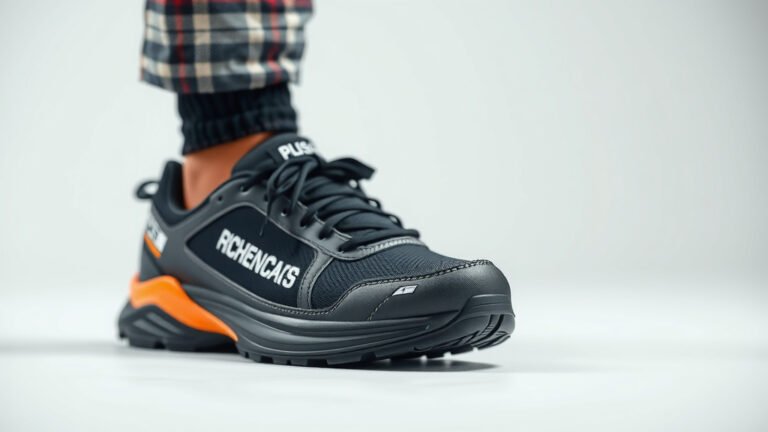
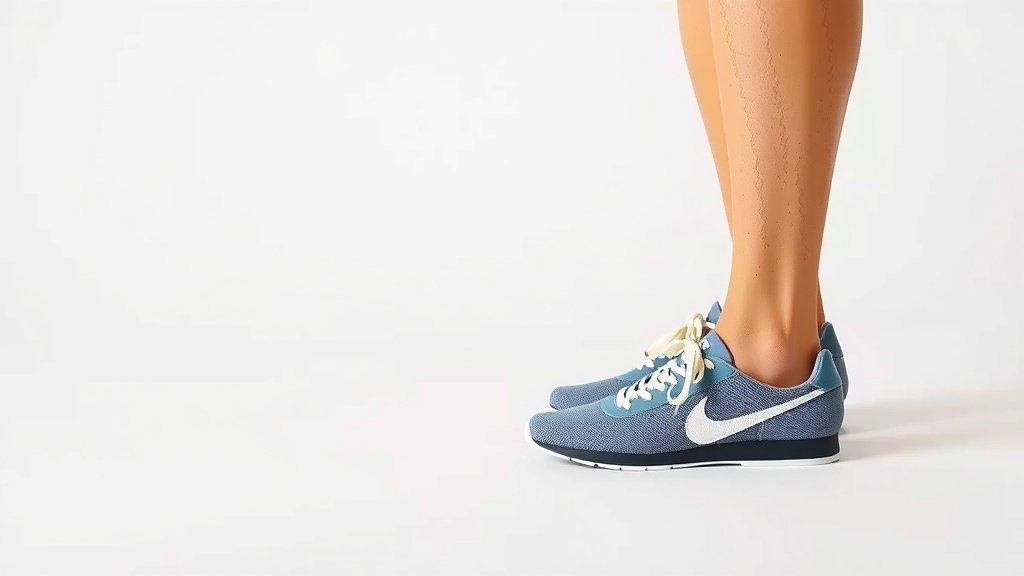
Start with shoes that have a slight “stack height” (thickness of the sole). They should still be flexible. A zero-drop sole (heel and forefoot at the same height) is standard. Look for a wide toe box. This lets your toes splay naturally.
Avoid Extremes Initially
Super-thin, completely flat shoes might be too much at first. Consider a model that offers a tiny bit more cushioning than ultra-minimalist options. This can make the transition smoother for your feet. We want to encourage natural movement, not shock the system.
Your Foot Strengthening Checklist
Ready to commit to stronger feet? Keep this handy:
- Daily Toe Curls and Spreads: Aim for 10-15 reps each.
- Regular Heel Raises: Build calf and foot support.
- Gradual Wear Time: Increase minimalist shoe time slowly.
- Listen to Your Body: Rest when you feel pain.
- Vary Walking Surfaces: Challenge your feet outdoors.
- Enjoy the Process: Strength takes time!
By focusing on these exercises and a smart transition, you’re well on your way. Your feet will thank you for the dedication.
“`Conclusion
You’ve learned how to build stronger feet for minimalist shoes. It’s a journey that requires patience and consistency. By incorporating specific foot exercises like toe curls and heel raises, you’re directly strengthening the muscles needed. Remember to transition gradually, listening carefully to your body’s signals. Start with short periods in your new shoes and slowly increase wear time. Choosing the right beginner-friendly minimalist shoe also makes a difference. You are well-equipped to make this positive change for your foot health. Take the first step today by trying out just one of the exercises we discussed.
Frequently Asked Questions
How long will it take to strengthen my feet for minimalist shoes?
The timeline varies for everyone. Most people find noticeable improvements within 4-8 weeks of consistent exercise and gradual transition. Some may feel ready for full days sooner, while others may need a bit more time. Patience is key, and listening to your body will guide your progress.
Can I do foot strengthening exercises if I already have foot pain?
If you experience persistent or sharp foot pain, it’s best to consult a healthcare professional, like a podiatrist or physical therapist, before starting new exercises. They can diagnose the cause of your pain and recommend a safe, personalized exercise plan. Gentle movements might be okay, but always prioritize professional advice.
Do I need to wear minimalist shoes all day once my feet are strong?
Not necessarily. Once your feet are strong, you can comfortably wear minimalist shoes for longer periods and for most activities. However, you can still choose to wear different types of footwear depending on the activity or your preference. The goal is to have strong, adaptable feet, not to be restricted to one shoe type.
Are barefoot workouts a good way to strengthen my feet for minimalist shoes?
Yes, performing exercises barefoot can be very effective. Barefoot workouts, especially on varied surfaces like grass or sand, directly engage your foot muscles. This mimics natural movement and builds strength and proprioception. Just ensure the surface is safe and free from hazards.
What’s the biggest mistake people make when transitioning to minimalist shoes?
The most common mistake is trying to transition too quickly. People often ditch their old shoes and go straight into minimalist footwear for long periods or intense activity. This can lead to overuse injuries because the feet and lower legs aren’t conditioned for the increased load. Gradual progression is crucial.