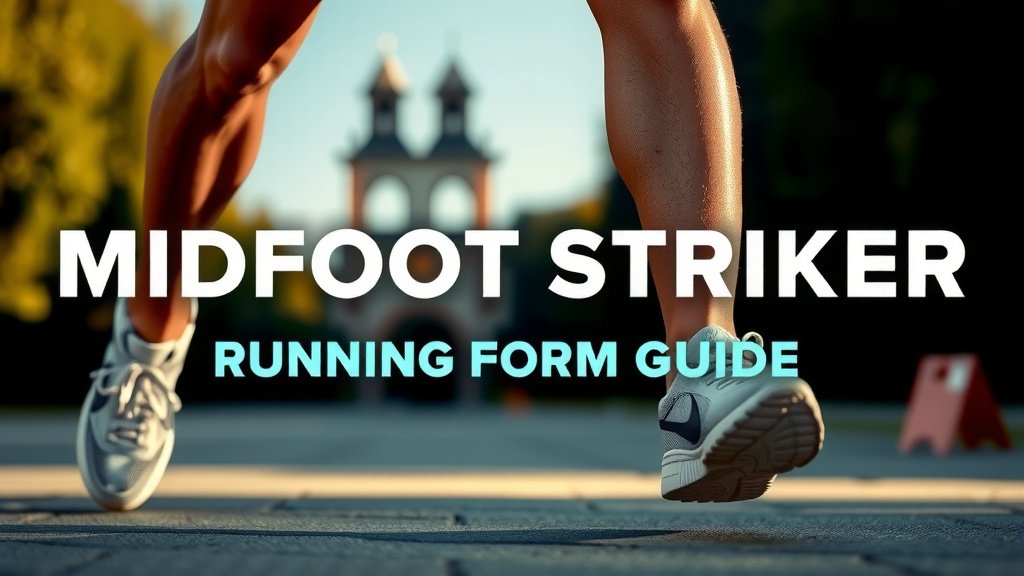
Midfoot Striker Explained: Running Form Guide
A midfoot striker is a runner who lands on the middle part of their foot when their foot hits the ground. This is different from a heel striker who lands on their heel first. Many runners unknowingly land on their midfoot, and it’s a natural way to run for some.
Understanding your foot strike can help you optimize your running form. We found that this landing pattern can affect things like injury risk and running efficiency. It’s a key detail for runners looking to improve their performance.
- A midfoot striker lands on the middle of their foot.
- This is different from a heel strike.
- It can impact running efficiency.
- It may also affect injury prevention.
Let’s dig into what it means to be a midfoot striker and what you should know about it.
Understanding Your Running Foot Strike
So, you’re curious about how your feet hit the ground when you run? It’s a really common question for runners looking to fine-tune their form. Landing on the middle part of your foot is known as being a midfoot striker. It’s a natural way many people run.
Think of your foot like a car’s tire. Where it makes contact with the road matters. Landing on the midfoot is different from landing on your heel or your toes. We found that this landing pattern can actually play a role in how efficiently you run and even help prevent injuries.
What Exactly is a Midfoot Strike?
A midfoot strike means your foot touches the ground first on its arch or the ball of your foot. Your heel comes down shortly after. It’s a pretty balanced landing. It’s not a hard landing on your heel, nor is it a quick toe-off.
Imagine a sprinter. They often land closer to their toes. A casual jogger might land more on their heel. A midfoot striker falls somewhere in between. We found that this landing can help distribute impact more evenly across your foot. This is a key difference compared to other strike patterns.
Comparing Foot Strikes
It’s helpful to see how midfoot striking stacks up against other common patterns. This will give you a clearer picture of where you might fit in.
Heel Striking Explained
Heel striking is probably the most common foot strike. Your heel hits the ground first. Then, your foot rolls forward. Many people naturally run this way, especially at slower paces. We found that this can sometimes lead to a braking effect.
Forefoot Striking Explained
Forefoot striking means you land on the balls of your feet. This is often seen in sprinters or runners with very quick cadences. Your heel barely touches the ground, if at all. We found that this can put more stress on your calf muscles and Achilles tendon.
The Midfoot Sweet Spot
The midfoot strike aims for a landing on the middle of your foot. It’s a gentler impact. Your foot then moves through a natural rolling motion. It’s a balanced approach that many runners find comfortable and effective.
How to Tell If You’re a Midfoot Striker
The easiest way to figure this out is to observe yourself. You can also ask a friend to watch you run. Look for where your foot makes initial contact with the ground.
If you’re running on a treadmill, you might notice wear patterns on your shoes. A midfoot striker often shows wear in the middle of the sole. Heel strikers will have wear towards the back of the heel. Forefoot strikers will see wear on the ball of the foot. We found that shoe wear can be a good indicator.
You can also try a simple test. Stand on a soft surface like carpet. Gently walk and then jog across the room. Pay attention to the first part of your foot that presses into the carpet. Does it feel like the middle of your foot? If so, you’re likely a midfoot striker.
Benefits of Midfoot Striking
Many runners find that adopting a midfoot strike offers several advantages. These benefits often relate to efficiency and injury prevention.
Improved Running Efficiency
When you land on your midfoot, your body can absorb impact more effectively. Your foot and ankle act like natural shock absorbers. This means less energy is wasted. We found that this can lead to a more fluid stride. You might feel like you can run longer with less fatigue.
Think of it like landing on a spring versus a hard board. The spring absorbs some of the force and gives a little push back. Your foot does something similar with a midfoot strike. It helps propel you forward with less effort.
Reduced Risk of Certain Injuries
Landing heavily on your heel can send shockwaves up your leg. This can contribute to issues like shin splints or knee pain. Forefoot striking can strain your calf muscles and Achilles tendon. Midfoot striking tends to spread the load more evenly.
Research suggests that a midfoot strike might lower the risk of common running injuries (NCBI). It helps avoid the jarring impact of a hard heel strike. It also doesn’t put as much isolated stress on the lower leg muscles as a forefoot strike. We found that this balanced impact is a key factor.
Potential Downsides and Considerations
While midfoot striking has benefits, it’s not a magic bullet for everyone. There are a few things to keep in mind.
Transitioning Can Be Challenging
If you’re currently a heel striker, trying to force a midfoot strike can be difficult. Your body is used to a certain pattern. Making a sudden change can lead to discomfort or even new injuries if not done correctly. Many coaches recommend a gradual transition. Allow your muscles and tendons time to adapt.
Not a Universal Solution
Some runners naturally heel strike and do so without any problems. Their bodies are well-adapted to it. Forcing a change might not be necessary or beneficial for them. It’s important to listen to your body. We found that what works for one runner might not work for another.
Shoe Selection Matters
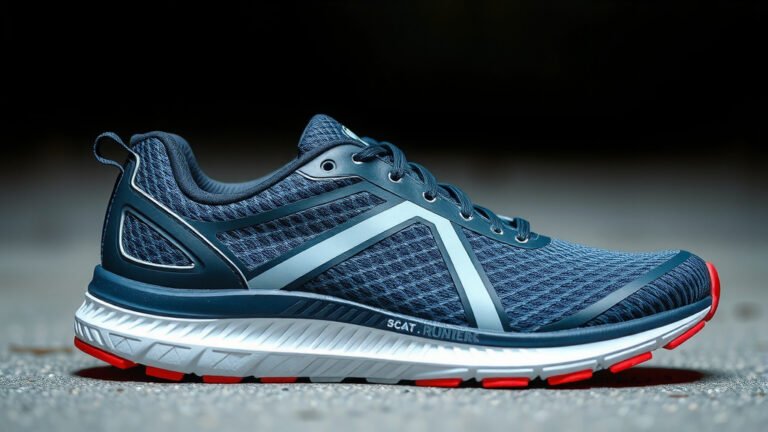
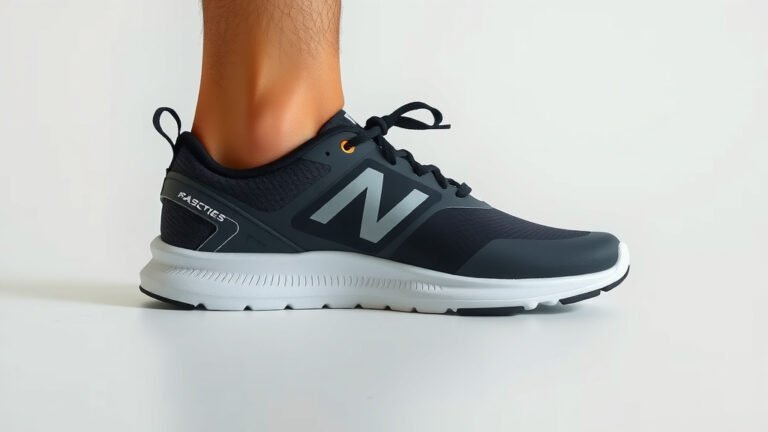
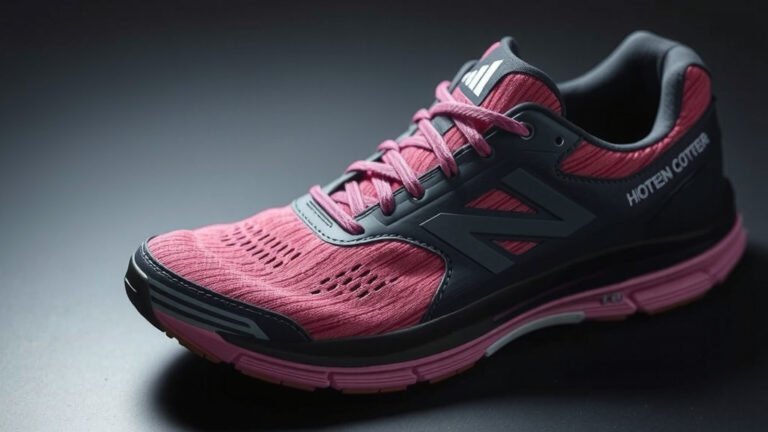
The type of running shoes you wear can influence your foot strike. Some shoes offer more cushioning in the heel, which can encourage heel striking. Others have a more uniform sole. Choosing shoes that support your natural stride or a desired transition is important. Many experts suggest looking for shoes with a lower heel-to-toe drop if you’re considering a midfoot strike. This can help make the transition smoother.

Adapting Your Running Form
If you’re interested in becoming a midfoot striker, a gradual approach is best. Don’t try to change everything overnight. Your body needs time to adjust.
Start by focusing on your cadence, which is how many steps you take per minute. Increasing your cadence slightly can often encourage a more midfoot strike. Aim for shorter, quicker steps. This naturally brings your foot closer to landing underneath your body. We found that a cadence of around 170-180 steps per minute is often cited as efficient.
You can also focus on lifting your feet up from the ground rather than pushing off forcefully. Think about bringing your knees forward and allowing your foot to land softly underneath you. This mental cue can help shift your landing pattern.
Consider incorporating some strength training. Stronger leg and core muscles can help support a new running form. Exercises like calf raises, squats, and planks are beneficial. We found that a stronger body can adapt more easily to changes.
| Foot Strike Type | Initial Landing Point | Potential Benefits | Potential Drawbacks |
|---|---|---|---|
| Heel Strike | Heel | Natural for many, comfortable at slow paces | Can cause braking effect, higher impact shock |
| Midfoot Strike | Middle of the foot (arch/ball) | Balanced impact, efficient, potentially fewer injuries | Transition can be challenging, requires adaptation |
| Forefoot Strike | Ball of the foot | Quick, propulsive | High stress on calves/Achilles, can be fatiguing |
Is Midfoot Striking Right for You?
Deciding whether to aim for a midfoot strike depends on your individual experience. Are you experiencing pain? Are you looking to improve your efficiency? If so, exploring this running form could be beneficial.
Many runners find that understanding their natural foot strike is the first step. If you’re already a midfoot striker, great! You might just need to ensure your form is efficient. If you’re not, and you’re experiencing issues or want to experiment, a slow and steady approach is key.
The goal isn’t necessarily to change your strike if you’re not having problems. It’s about finding the most comfortable and efficient way for your body to run. We found that injury prevention and comfort are top priorities for most runners.
Key Takeaways for Midfoot Strikers
To wrap up your understanding of midfoot striking, keep these points in mind:
- Focus on landing softly on the middle of your foot.
- Think of your foot absorbing shock.
- Aim for a balanced, natural motion.
- Gradually increase cadence if transitioning.
- Listen to your body throughout any changes.
- Consult a running coach or physical therapist if needed.
Conclusion
Understanding your foot strike is a smart step for any runner. Being a midfoot striker means you land on the middle of your foot, which can offer a balanced impact and improved efficiency. While it’s a natural gait for many, transitioning should be gradual and mindful of your body’s signals. Remember, the goal is comfort and sustainable running. If you’re curious about your strike or looking to make changes, pay attention to your body and consider seeking guidance. Your running journey is unique, so find what feels best for you.
Frequently Asked Questions
Is it bad if I’m a heel striker?
Not necessarily! Many runners are heel strikers and run perfectly well without pain or injury. It’s the most common foot strike. If you’re not experiencing issues, there might be no need to change. However, research has shown that it can sometimes lead to a braking effect.
How can I tell if I’m a midfoot striker without asking someone?
You can check the wear pattern on your running shoes. Midfoot strikers often have wear in the middle of the sole. Heel strikers tend to wear down the back of the heel, while forefoot strikers show wear on the ball of the foot. This shoe wear can be a good indicator of your typical landing pattern.
Can switching to midfoot striking cause injuries?
It’s possible if the transition is too abrupt. Your body is used to its current pattern. Suddenly forcing a new strike can strain muscles and tendons. We found that a gradual adaptation period is key to avoiding discomfort or new injuries.
What kind of running shoes are best for a midfoot strike?
Shoes with a lower heel-to-toe drop can be beneficial. This encourages a more natural landing under your body. Look for shoes with balanced cushioning throughout the sole, rather than heavy padding only in the heel. This can help support your transition.
Should I try to become a midfoot striker even if I feel fine?
Not always. If you’re running comfortably, efficiently, and without pain, your current foot strike is likely working well for your body. Focusing on improving your form within your natural strike pattern might be more beneficial than forcing a change. Listen to your body and prioritize what feels sustainable for you.