How Often to Rotate Running Shoes for Peak Performance
You should rotate your running shoes roughly every 300 to 500 miles to prevent injuries and ensure they perform their best. This mileage range is a common guideline, but it can vary based on your body weight, running surface, and shoe type. Knowing when to swap them out keeps your feet happy and your runs smooth.
Running in worn-out shoes can lead to a variety of aches and pains. The cushioning and support they provide degrade over time, making them less effective. Many experts say that ignoring the mileage can result in issues like shin splints or plantar fasciitis. Protecting your feet starts with your footwear.
- Rotate shoes around 300-500 miles.
- This prevents injuries.
- Supportive shoes are key.
- Don’t wait too long to replace them.
- Listen to your body, too!
Let’s break down what those miles really mean and how you can tell it’s time for a fresh pair.
When Should You Rotate Your Running Shoes?
Knowing when to swap out your running shoes is key. Most runners find they need new shoes every 300 to 500 miles. This isn’t a hard and fast rule, though. Several factors can affect how long your shoes last. Paying attention to these details helps you keep your feet safe and comfortable. You should absolutely have more than one pair of running shoes because rotating between them helps reduce injury risk and extend the life of each pair.
Understanding Shoe Lifespan: The Mileage Factor
The general recommendation for replacing running shoes is between 300 and 500 miles. This range comes from many shoe manufacturers and running experts. Think of it like the tread on your car tires. Over time, the materials that provide cushioning and support wear down. This loss of function is what makes your shoes less effective and potentially harmful.
Why this specific range? Research suggests that the midsole foam, which is crucial for shock absorption, starts to compress significantly after this mileage. This compression means the shoes can’t absorb impact as well. This can lead to your body having to work harder to absorb that shock, often resulting in aches and pains (American College of Sports Medicine).
Tracking Your Miles: A Simple System
How do you keep track of your mileage? It’s easier than you might think. Many running apps automatically log your runs and total mileage. If you’re more old-school, a simple notebook or spreadsheet works well. Just jot down the date and distance of each run. You can also mark your shoes with a pen each time you wear them to track individual pairs if you rotate multiple pairs.
The Impact of Rotation on Shoe Longevity
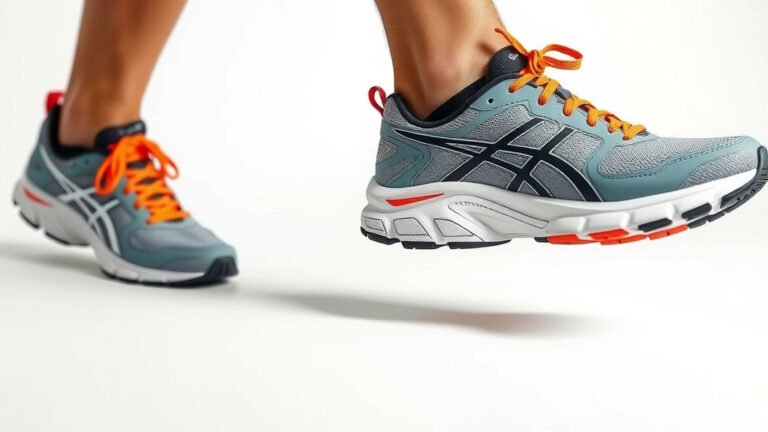
Did you know that rotating your running shoes can actually make them last longer? If you have more than one pair and alternate between them, you’re giving each pair a chance to decompress. When you run, the foam in your shoes gets compressed. Allowing a shoe to sit for 24-48 hours between runs lets that foam rebound. This simple act can add a bit more life to your footwear.
Factors That Influence Shoe Wear and Tear
Mileage is a good starting point, but it’s not the only thing that matters. Your body weight plays a big role. Heavier runners tend to put more stress on their shoes. This means their shoes might wear out faster, perhaps closer to the 300-mile mark rather than 500. Lighter runners might get a few extra miles out of their shoes.
Running Surface Matters
Where you run makes a difference too. Running primarily on hard surfaces like pavement or concrete is tougher on shoes than running on softer trails or a track. The repeated impact on hard surfaces causes more rapid breakdown of the cushioning materials. If you’re a trail runner, your shoes might hold up a bit longer, but be mindful of wear on the outsoles from rocks and roots.
The Type of Shoe You Wear
Different types of running shoes are built for different purposes and may have varying lifespans. A lightweight racing flat, designed for speed, often has less cushioning and will wear out much faster than a highly cushioned daily trainer. If your go-to shoe is a minimalist design, you’ll likely be replacing them more frequently.
Signs Your Running Shoes Are Ready to Be Retired
Sometimes, your shoes will tell you they’re done. You don’t always need to hit a specific mileage number. Look for physical signs of wear. The outsole, the part that touches the ground, might be worn smooth in places. You may see uneven wear patterns. This is a clear indicator that the shoe’s grip and support are compromised.
The Feel of Worn-Out Shoes
More importantly, pay attention to how the shoes feel on your feet. Are they less comfortable than they used to be? Do you feel more impact when you run? You might notice aches and pains in your feet, ankles, or knees that weren’t there before. This is your body sending a signal that the shoes are no longer providing adequate support and cushioning. Many experts say this is the most reliable indicator (The American Academy of Podiatric Sports Medicine).
Visible Signs of Compression and Damage
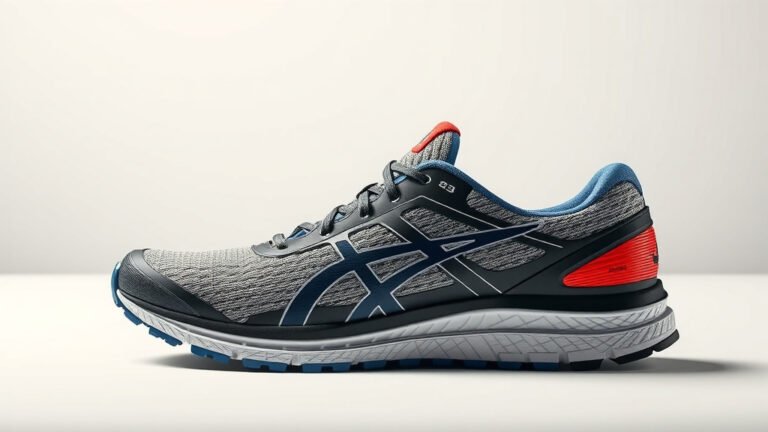
Another tell-tale sign is visible compression in the midsole. This often looks like wrinkles or creases in the foam, especially under the heel or ball of your foot. The shoe might also feel flatter or less responsive when you flex it with your hands. If the upper material is torn or the seams are coming apart, it’s also time for a new pair, as this can affect the shoe’s structure and fit.
Making the Switch: Your Shoe Rotation Checklist
So, how often should you be rotating your running shoes? Let’s sum it up with a quick checklist. This will help you stay on track and keep your feet happy mile after mile.
- Track your mileage: Aim for 300-500 miles per pair.
- Inspect your shoes: Look for worn-out soles and midsole compression.
- Listen to your body: Notice any new aches or pains after runs.
- Consider your weight and surfaces: Adjust mileage based on your running habits.
- Rotate if you have multiple pairs: Give shoes time to recover between runs.
- Don’t wait for major pain: Replace shoes before they cause injury.
Choosing the right time to replace your running shoes is an investment in your health and performance. By paying attention to mileage, physical signs, and how your body feels, you can make informed decisions about your footwear. Happy running!
Conclusion
You’ve learned that rotating your running shoes between 300 and 500 miles is a smart strategy. It’s not just about the mileage, though. Your weight, the surfaces you run on, and the shoe type all play a part. Paying attention to how your shoes look and, more importantly, how they feel is key. Don’t wait for pain to be your signal. Make it a habit to check your shoes regularly and track your mileage. Your next step? Start tracking your current running shoes today and set a reminder to check in on their condition soon! You’ve learned that rotating your running shoes between 300 and 500 miles is a smart strategy, and this applies to super shoes too.
Frequently Asked Questions
How do I know if my running shoes are worn out even if I haven’t hit 300 miles?
Sometimes shoes wear out faster than expected. Look for visible signs like a worn-down sole, especially in the heel or forefoot. Check if the midsole foam looks compressed or wrinkled. If you start feeling new aches or pains during or after your runs, that’s a strong sign they’re done, regardless of mileage.
Does rotating shoes mean I need to buy more pairs?
Yes, rotating shoes means having at least two pairs to alternate between. While this might seem like an added expense, it can actually help each pair last longer. Giving your shoes a day or two to decompress between runs allows the midsole foam to recover its cushioning and support, potentially extending their overall lifespan.
What if I only run on soft trails? Do I still need to rotate my shoes?
Trail running can be less impactful on shoe cushioning than pavement. However, your shoes still experience wear and tear. Rotating them can still be beneficial for overall foot health. It also allows you to clean and dry one pair while using the other, preventing moisture-related issues like blisters or fungus.
Can I use my old running shoes for other activities?
Yes, absolutely! Once your running shoes have reached the end of their running life, they can often be repurposed for less demanding activities. They can make great shoes for walking around town, doing yard work, or even as casual everyday shoes. Just be aware that they won’t offer the support needed for running anymore.
Is there a difference in lifespan between different brands of running shoes?
While brands have different construction methods and materials, the 300-500 mile guideline is a general recommendation across most reputable running shoe manufacturers. Factors like your individual biomechanics, running style, and weight often have a bigger impact on shoe lifespan than the specific brand.