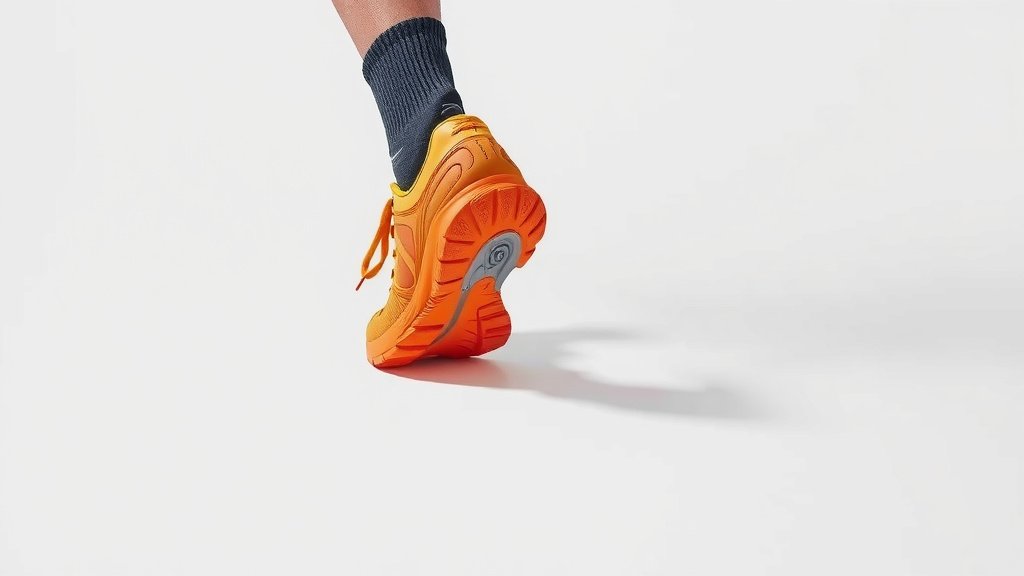
Heel Drop: How It Impacts Your Running Form
Heel drop absolutely affects your running. A lower heel drop often encourages a more natural foot strike. This can lead to a quicker cadence and potentially reduce impact forces on your joints. Conversely, a higher heel drop can provide more cushioning and support.
Think of heel drop as the height difference between your heel and your forefoot in a shoe. This measurement, usually in millimeters, influences how your foot lands and how your body absorbs shock. Many runners find that changing their heel drop can have a noticeable effect on their comfort and performance.
- Heel drop is the height difference in a running shoe.
- Lower drops encourage a more natural foot strike.
- Higher drops offer more cushioning and support.
- Changing heel drop can impact comfort and performance.
- It’s important to find what works best for your body.
Let’s break down exactly how your running shoe’s heel drop might be impacting your stride and what you can do about it.
Understanding How Heel Drop Impacts Your Run
Heel drop might seem like a small detail, but it can actually make a big difference in how you run. It’s the measurement of the height difference between your heel and your forefoot in a shoe. This simple number can influence your stride, your body’s shock absorption, and even your comfort over miles. Learn how cushioning impacts your foot strike and heel drop.
The Mechanics of Heel Drop: What’s Happening?
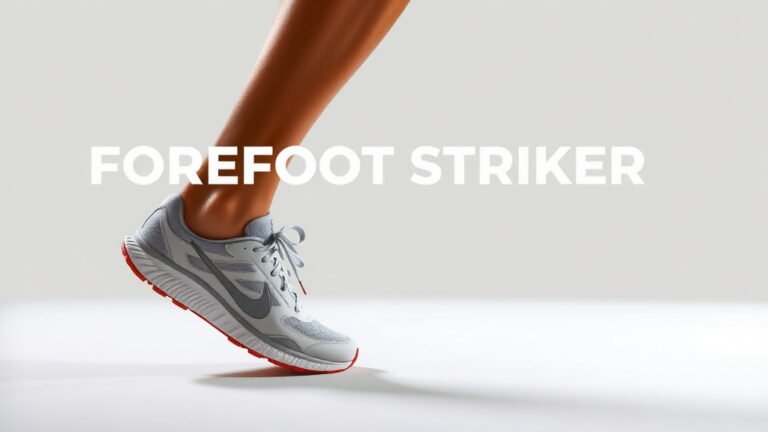
Think of your running shoes as a ramp. A higher heel drop creates a steeper ramp. This encourages your heel to hit the ground first. It also positions your foot at a more neutral angle. A lower heel drop makes the ramp flatter. This tends to guide you toward landing more on your midfoot or forefoot.
How Different Drops Affect Your Foot Strike
Research consistently shows that a higher heel drop often leads to a heel strike. Your heel comes down before the rest of your foot. This is a very common landing pattern for many runners. Conversely, a lower heel drop generally encourages a more midfoot or forefoot strike. Your foot lands more evenly.
The Role of Cushioning and Support
Shoes with a higher heel drop often have more cushioning in the heel. This can feel really nice, especially if you’re a heel striker. It helps to absorb some of the impact when your heel hits the pavement. You might find that this extra padding offers a sense of comfort and security.
Impact on Your Body’s Biomechanics
Your body is smart. It adjusts to the shoes you wear. A higher heel drop can alter the angles at which your lower leg and foot interact with the ground. This can shift the load. It might place more stress on your knees. Some studies suggest it can also affect your ankle and hip positioning (NIH).
With a lower heel drop, your body often has to work a bit harder to absorb shock. This can lead to different stresses. Your calf muscles and Achilles tendon might be more engaged. This can be good for building strength but might feel different initially. Many experts suggest this can lead to a more natural running form.
Zero Drop Shoes: A World Without a Ramp
Zero drop shoes have no difference in height between the heel and forefoot. Your foot sits completely flat. This is often seen as the most natural position for the human foot. It aims to mimic being barefoot while still providing protection and some cushioning.
Pros and Cons of Zero Drop
The biggest pro? It forces you into a forefoot or midfoot strike. Many believe this is more efficient and less stressful on the body. You might feel a greater connection to the ground. However, the con is that it requires a significant adjustment. Your calves and Achilles will have to adapt. This can increase the risk of injury if you switch too quickly.
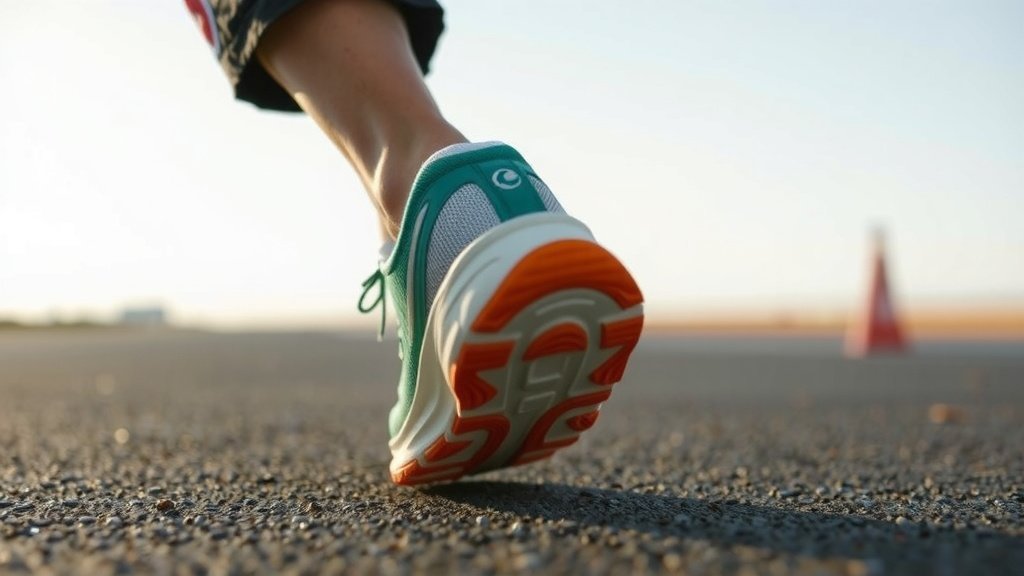
Finding Your Ideal Heel Drop: A Personal Journey
So, what’s the magic number for heel drop? The truth is, there isn’t one. It truly depends on you. Your body mechanics, your running history, and even your personal preference play a role.
Consider Your Running History and Injuries
If you’ve always run in high-drop shoes and are injury-free, you might not need to change. But if you experience certain aches and pains, experimenting could help. For example, some runners with knee pain find relief with a lower drop. Others with calf issues might do better with a bit more height.
The Transition Process: Go Slow!
If you decide to switch your heel drop, especially to a lower one, patience is key. Don’t swap your old shoes for a completely different drop overnight. Start by incorporating the new shoes for short runs or intervals. Gradually increase the distance. This allows your body to adapt.
We’ve found that many runners benefit from a gradual transition. A common approach is to drop the heel height by no more than 4mm at a time. If you’re going from 12mm to 8mm, that’s a good first step. Then, once your body feels comfortable, you can go lower.
Listen to Your Body: The Ultimate Guide
Ultimately, your body will tell you what works. Pay attention to how you feel during and after your runs. Are you experiencing new aches? Is your stride feeling more natural or more strained? Discomfort is a signal.
If you’re unsure, talking to a running coach or a physical therapist can be incredibly helpful. They can analyze your gait and offer personalized advice. They might even suggest specific exercises to strengthen muscles that will be more engaged with a different heel drop.
Heel Drop and Performance: Does It Matter?
Some research suggests that a lower heel drop can lead to a quicker cadence. This means you take more steps per minute. A higher cadence is often associated with improved running economy and reduced impact forces (NCBI). However, the effect is not always dramatic.
For most recreational runners, comfort is king. Finding a shoe that feels good underfoot is often more important than chasing a specific heel drop for performance gains. You can run fast and far in a variety of shoes. It’s about finding the one that lets you do that without pain.
A Quick Guide to Choosing
Here’s a simple checklist to help you think about your heel drop:
- Assess your current shoes: What’s their heel drop?
- Note any past injuries: Where do you typically feel pain?
- Consider your natural foot strike: Do you tend to land on your heel or midfoot?
- If trying a new drop, go slow: Gradually increase mileage.
- Listen to your body: Pain is a sign to reassess.
- Consult a professional: If in doubt, seek expert advice.
Experimenting with heel drop can be a rewarding part of your running journey. It’s not about finding the “best” or “worst” drop, but about discovering what supports your unique body and helps you enjoy your miles.
Conclusion
You’ve learned how heel drop impacts your running stride, from foot strike to biomechanics. A lower drop can encourage a more natural, quicker cadence, while a higher drop often provides more cushioning. Remember, there’s no single “best” heel drop; it’s about what feels right for your body. The key is understanding these differences and listening to your body’s signals. Your next step is to consider your current shoes and any past injuries, and perhaps try a gradual transition to a different drop if you feel it could benefit you. Happy running!
Frequently Asked Questions
How do I know if my current heel drop is right for me?
Pay close attention to how your body feels during and after your runs. If you experience persistent pain in your knees, hips, or calves, it might be a sign that your current heel drop isn’t optimal. Consistent discomfort is your body’s way of telling you something needs adjustment.
Can I switch from a high heel drop to a zero drop shoe immediately?
No, you absolutely should not switch immediately. Transitioning to a zero drop shoe requires a very slow and gradual process. Jumping into zero drop shoes can put significant stress on your calves and Achilles tendon, leading to injury. Start with short runs and progressively increase your mileage in them.
Will changing my heel drop make me faster?
While some research suggests lower heel drops can promote a quicker cadence, which might indirectly improve running economy, it’s not a direct guarantee of speed. For most runners, focusing on comfort and injury prevention is more beneficial for long-term performance than chasing a specific heel drop for speed gains.
What is the average heel drop for most running shoes?
The average heel drop in running shoes typically ranges from 8mm to 12mm. You’ll find many popular models fall within this range. However, there’s a growing trend towards lower drops, including options like 4mm and even zero drop shoes, offering a wider spectrum for runners to choose from.
Is a lower heel drop always better for preventing injuries?
Not necessarily. While a lower heel drop can encourage a more natural foot strike that some find reduces impact on certain joints, it also places more demand on your calf muscles and Achilles tendon. The “best” drop for injury prevention is highly individual and depends on your specific biomechanics and running history.