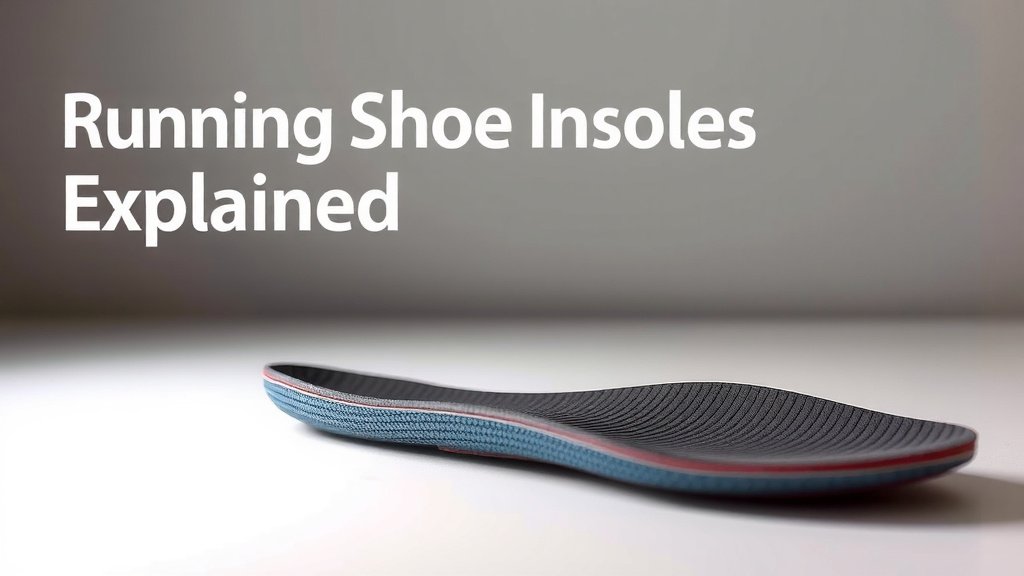
Running Shoe Insoles Explained: What They Are & How They Help
A running shoe insole is a removable insert that sits inside your running shoe. It’s designed to add cushioning and support. Think of it as a performance upgrade for your feet. It can help make your runs more comfortable and potentially prevent common running discomforts.
Many runners wonder if they need special insoles. While most running shoes come with decent built-in cushioning, insoles offer a way to customize your shoe’s feel. They can provide extra shock absorption or arch support, depending on what your feet need. Research shows they can be a simple way to enhance your running experience.
- What it is: A removable insert for running shoes.
- What it does: Adds cushion and support for comfort.
- Why use one: Customizes shoe feel, may prevent discomfort.
- Key benefit: Enhances your running experience.
Ready to learn more about how insoles can make a difference in your stride? Let’s break down what makes a running shoe insole tick.
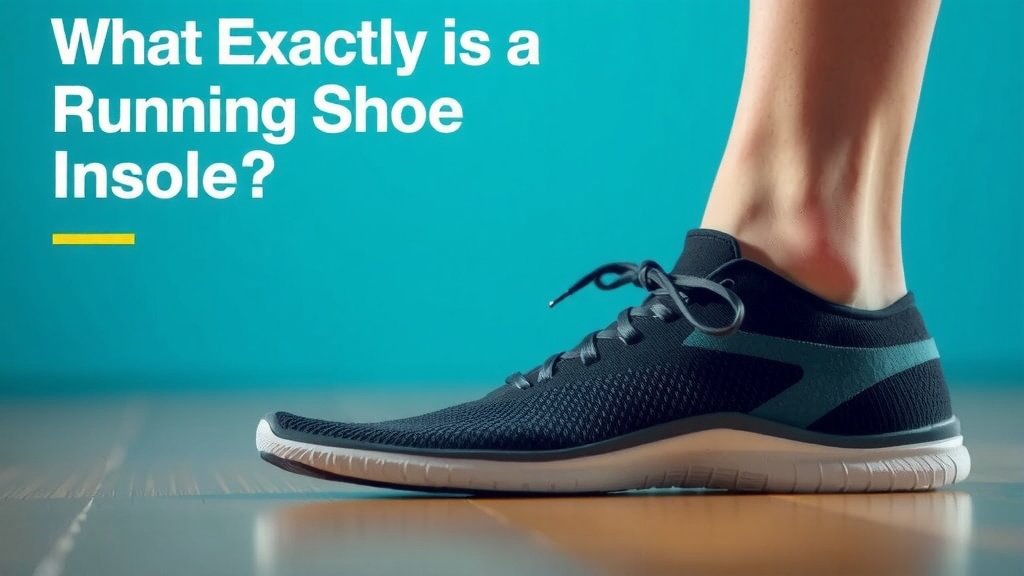
What Exactly Is a Running Shoe Insole?
A running shoe insole is basically a customizable layer. It’s a removable insert you place inside your running shoe. Its primary job is to enhance the comfort and performance of your footwear. Think of it as an upgrade kit for your sneakers.
Most running shoes come with a standard insole already built in. This factory-made insole offers a basic level of cushioning. However, it might not be perfectly suited for your unique foot shape or running style. That’s where aftermarket insoles shine.
The Core Purpose of an Insole
At its heart, an insole is designed to improve your running experience. It works by providing additional cushioning and support where your foot needs it most. This can make a big difference on longer runs or when hitting harder surfaces.
Many runners experience discomfort from impact. Insoles can help absorb shock more effectively than the shoe alone. They can also offer targeted support to your arches. This helps distribute pressure more evenly across your foot.
Materials and Construction: What’s Inside?
Insoles are made from a variety of materials. These materials affect their cushioning, support, and durability. You’ll often find a combination of foams, gels, and sometimes even rigid materials like plastic or carbon fiber.
Common Cushioning Materials
Foam is a popular choice. Different types of foam offer varying degrees of softness and responsiveness. Some insoles use memory foam, which molds to your foot. Others use EVA (ethylene-vinyl acetate) foam, known for its lightweight and shock-absorbing qualities. Learn more about memory foam insoles and their benefits for runners.
Gel inserts are another option. Gel is excellent at absorbing impact. It can provide a softer, more plush feel underfoot. Some insoles combine foam and gel for a balanced experience.
Support Structures
Beyond cushioning, insoles offer support. This is often achieved through built-in arch support. Some insoles have a firmer heel cup. This helps stabilize your foot and ankle during your stride.
The amount of support varies greatly. Some insoles are very flexible. Others are quite rigid, especially those designed for maximum stability or performance.
Why Would You Want to Use a Running Shoe Insole?
You might be wondering if an insole is necessary for your runs. The answer really depends on your personal needs and preferences. While standard shoes are fine for many, insoles offer a way to personalize your comfort.
Boosting Comfort and Reducing Fatigue
Running can be tough on your feet. Insoles can add an extra layer of plushness. This makes your shoes feel softer and more forgiving with every step. Less impact means less fatigue over time. Your feet will thank you!
Research has shown that proper cushioning can help reduce the strain on your joints. This can make your runs feel easier. It may also help you run for longer periods without discomfort.
Addressing Specific Foot Needs
Do you have high arches? Or perhaps flat feet? These conditions can sometimes lead to discomfort or injury if not properly supported. Insoles can provide that targeted arch support you might be missing.
For those with flat feet, insoles can offer pronation control. This helps align your foot and ankle. For high arches, insoles can add cushioning to the areas that bear more pressure. Many experts suggest that custom or supportive insoles can help manage these conditions (Cleveland Clinic).
Enhancing Performance and Injury Prevention
While not magic bullets, insoles can play a role in performance. By improving comfort and stability, they can help you maintain a better running form. This can lead to more efficient strides.
Furthermore, some studies suggest that insoles can help reduce the risk of certain injuries. This is especially true for issues related to foot strike and impact forces. Properly chosen insoles can help distribute pressure more evenly.
Types of Running Shoe Insoles
Insoles come in a few main categories. Understanding these can help you pick the right one for your needs. They generally fall into three main groups: cushioning, support, and combination.
Cushioning Insoles
These are all about softness and shock absorption. They typically feature plush materials like soft foams or gel. They’re great if your shoes feel too firm or if you run on hard surfaces.
They add a luxurious feel underfoot. Your feet will feel like they’re running on clouds. These are a good starting point for general comfort improvement.
Support Insoles
These insoles focus on stabilizing your foot. They often have firmer construction. You’ll find them with built-in arch support and a more structured heel cup. They help control excessive foot motion.
If you overpronate (your foot rolls inward too much) or have specific arch issues, these might be your best bet. They aim to guide your foot into a more neutral position.
Combination Insoles
As the name suggests, these offer a blend of both cushioning and support. They aim to provide a balanced feel for the runner. You get the shock absorption benefits plus some gentle stability.
These are a popular choice because they cater to a wide range of runners. They offer a good middle ground if you’re unsure about your exact needs.
Key Features to Look For
When you’re shopping for insoles, keep a few things in mind. What features will make the biggest difference for your running comfort?
- Material: Look for breathable materials to keep your feet cool. Foams and gels offer different levels of comfort.
- Arch Support: Does it match your arch height (low, neutral, high)?
- Cushioning Level: Do you prefer a plush feel or something firmer?
- Heel Cup: A deeper heel cup can offer more stability.
- Durability: How long will the insole last?
It’s also worth considering whether you want a one-size-fits-all insole or one that can be trimmed to fit your shoe size. Most aftermarket insoles are designed to be trimmed.
A Quick Checklist for Choosing Your Insole
To help you make a decision, here’s a simple checklist:
- Consider your foot arch type.
- Think about the type of running you do.
- Assess the current cushioning in your shoes.
- Read reviews for comfort and durability.
- Try them if possible, or buy from a place with a good return policy.
Choosing the right insole can feel like a personal journey. It’s about finding what makes your feet happiest on those miles.
Conclusion
So, what is a running shoe insole? It’s a simple yet effective upgrade for your running shoes. It’s a removable insert that adds customized cushioning and support. By choosing the right insole, you can boost comfort, reduce fatigue, and potentially prevent common running discomforts.
Your feet are unique, and your running experience should be too. Don’t settle for generic comfort. If you’re looking to enhance your runs, consider exploring different insole options. Your next best run might just be a matter of what’s inside your shoe.
Frequently Asked Questions
Do I need to replace the original insole in my running shoes?
Not always. The original insole provides basic cushioning. If you’re comfortable and injury-free, you might not need to replace it. However, if you want more comfort or targeted support, an aftermarket insole can be a great addition. It’s about personalizing your shoe’s feel.
How do I know if I need more cushioning or support from an insole?
Consider how your feet feel after a run. If they feel tired, sore, or you experience impact-related pain, you might need more cushioning. If your feet roll excessively inward or outward, or if you have specific arch issues, support might be more important. Pay attention to your body’s signals.
Can insoles help with foot pain like plantar fasciitis?
Yes, certain insoles can help manage foot pain. Insoles with good arch support and shock absorption can reduce strain on the plantar fascia. This can alleviate discomfort associated with conditions like plantar fasciitis. It’s always best to consult a doctor or podiatrist for a diagnosis.
Are there insoles specifically for different types of arches (flat, normal, high)?
Absolutely. Insoles are often designed with varying levels of arch support. You can find insoles tailored for flat feet (offering more support), high arches (adding extra cushioning), or neutral arches. Matching the insole to your arch type is key for optimal comfort and function.
How often should I replace my running shoe insoles?
This depends on the material and how much you run. Generally, insoles wear out over time. You might notice reduced cushioning or support. Most runners find they need to replace insoles every 6 to 12 months, or sooner if they are heavily used or show visible signs of wear.