
What is the Upper of a Running Shoe? Explained
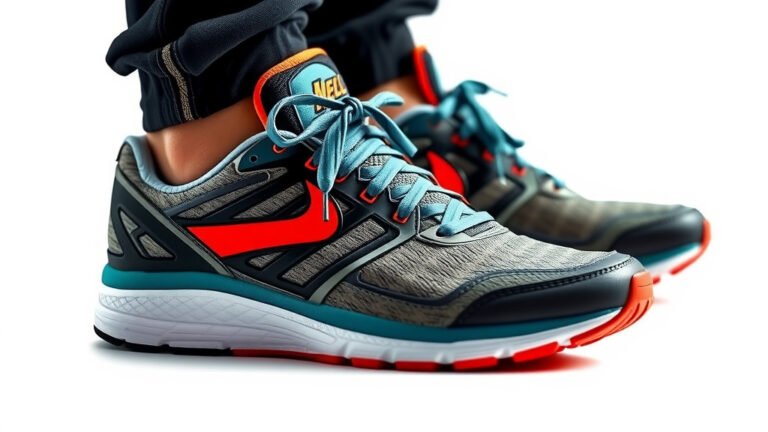
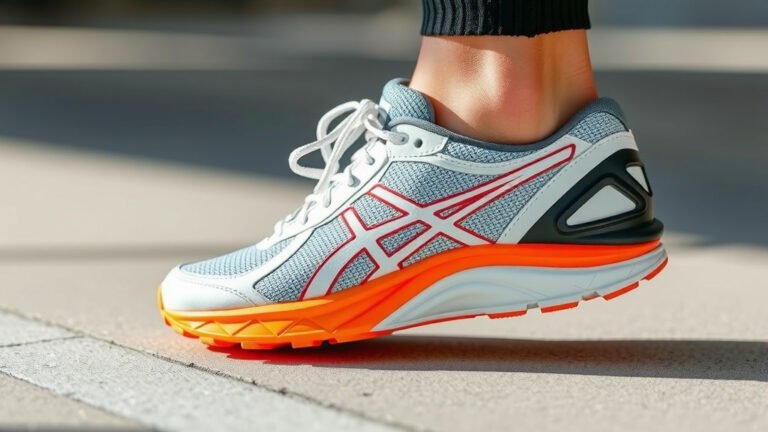
The upper of a running shoe is the top part that covers your foot. It’s like the shoe’s jacket, providing a secure and comfortable fit. This material wraps around your foot, holding it in place while you run.
Think of the upper as the shoe’s main outfit. It’s constructed from various materials chosen for breathability, support, and durability. Different designs cater to different running needs and foot shapes, ensuring a snug but not restrictive feel.
- The upper is the top section of your running shoe.
- It holds your foot securely in place.
- Key functions include breathability and support.
- Materials vary to suit different running styles.
Ready to learn more about how this important part works? Let’s take a closer look at what makes up the upper of your running shoes.
You know how your favorite jacket keeps you cozy and protected on a chilly day? The upper of your running shoe does something similar for your foot. It’s the part that wraps around and above your foot, connecting to the midsole (the cushioned part) and the outsole (the bottom grippy part). Its job is to hold your foot securely and comfortably within the shoe as you move.
Understanding Your Running Shoe’s Upper
The upper is what gives your running shoe its personality. It’s the most visible part and often where the design and color really shine. But beyond looks, it’s a carefully engineered piece of your shoe. Its construction impacts everything from how well your foot breathes to how stable you feel on uneven terrain.
The Main Job: Foot Containment and Comfort
Think of the upper as the ultimate hug for your foot. It needs to be snug enough to prevent your foot from sliding around. This is super important for preventing blisters and for giving you better control during your run. Yet, it can’t be so tight that it cuts off circulation or feels like a vise grip. Finding that perfect balance is key to a happy run.
Materials Matter: What’s Your Upper Made Of?
Running shoe uppers are typically made from a variety of materials. Each one is chosen for specific properties that benefit a runner. You’ll often see synthetics like mesh, engineered knit, and sometimes even leather, though that’s less common for modern running shoes.
Mesh: The Breathable Champion
Mesh is a very common material. It’s a woven fabric with tiny holes, making it incredibly breathable. This is vital for keeping your feet cool and dry, especially on long runs or in warm weather. It helps sweat evaporate, reducing the chance of discomfort and blisters. We found that many runners prioritize breathability for summer running (Runner’s World).
Engineered Knit: The Custom Fit
Engineered knit uppers are like a custom-tailored sweater for your foot. The material is woven in specific patterns to create areas of stretch and support exactly where you need them. This can offer a very sock-like, comfortable fit. It molds to your foot’s shape over time, making the shoe feel more personal.
Synthetic Overlays: Adding Structure and Support
You’ll often see synthetic overlays on running shoe uppers. These are typically made of tougher materials like TPU (thermoplastic polyurethane) or synthetic leather. They are strategically placed to add structure and support to key areas, such as the heel or the lacing system. These overlays help lock your foot down and prevent excessive movement.
Key Components of the Upper Structure
The upper isn’t just one big piece of fabric. It’s made up of several parts that work together:
The Vamp
This is the front section of the upper. It covers the top of your foot from the toe box to where your laces start. Its design influences how snug the shoe feels around the forefoot.
The Heel Counter
Located at the back of the shoe, the heel counter is usually a stiff cup. It wraps around your heel bone. Its main job is to keep your heel securely in place and prevent it from slipping out. A good heel counter provides stability without feeling uncomfortable. Located at the back of the shoe, the heel counter is usually a stiff cup that wraps around your heel bone, and our guide explains its function.
The Tongue and Collar
The tongue sits under your laces and prevents them from digging into your foot. The collar is the padded area around the ankle opening. Both are cushioned to provide comfort and a secure fit. The height and padding can vary greatly between shoe models.
The Lacing System
While not technically part of the fabric, the eyelets and laces are crucial. They allow you to adjust the tightness of the upper. This personalization is how you achieve that perfect, secure feel. Some shoes even offer alternative lacing techniques to address specific fit issues.
How the Upper Impacts Your Run
The type of upper you choose can make a noticeable difference in your running experience. Different designs cater to different needs and foot types.
Breathability for Hot Weather Runners
If you often run in heat or humidity, a highly breathable upper is your best friend. Look for shoes with lots of mesh. This will help keep your feet cool and dry, preventing that uncomfortable, swampy feeling. Many sports medicine guidelines suggest keeping feet dry to prevent skin issues (CDC).
Support for Stability Seekers
Some runners need a bit more support to keep their foot aligned. Uppers designed for stability might incorporate more overlays or reinforced structures. These help guide your foot through your natural stride, offering a more controlled feel. These shoes are often recommended for those who overpronate.
Flexibility for Natural Movement
Other runners prefer a more natural, flexible feel. Uppers made from engineered knits or very thin, flexible mesh allow your foot to move more freely. This can feel great for those who want a barefoot-like sensation but with added protection and cushioning.
Water Resistance for Trail or Wet Conditions
If you’re a trail runner or often run in wet conditions, you might look for uppers with some level of water resistance. Some shoes use treated materials or membranes that block water from entering while still allowing some breathability. It’s a trade-off; very waterproof materials can sometimes make your feet hotter.
Weight Considerations
Generally, lighter uppers mean a lighter overall shoe. This can be a plus for speed work and racing. However, extremely lightweight uppers might sacrifice some durability or support. It’s about finding the right balance for your specific running goals.
Choosing the Right Upper for You
When picking your next pair of running shoes, pay attention to the upper. Does it feel comfortable right away? Does it hold your foot snugly without pinching? Consider when and where you’ll be running. A shoe built for a hot road race will likely have a very different upper than one designed for muddy trails.
Here’s a quick checklist to consider when evaluating an upper:- Does it feel breathable?
- Is it comfortable around your toes and forefoot?
- Does your heel feel secure without slipping?
- Can you adjust the fit with the laces?
- Does the material seem durable for your needs?
Conclusion
You’ve now seen how the upper is much more than just the colorful part of your running shoe. It’s a carefully designed system that holds your foot, manages breathability, and provides essential support. The materials and structure of the upper directly impact your comfort and performance on every run. When choosing your next pair, take a moment to really feel the upper. Does it offer the right blend of security and flexibility for your stride? Your feet will thank you for paying attention to this vital component.
Frequently Asked Questions
What’s the difference between a mesh and knit upper?
Mesh uppers have small holes for maximum airflow, keeping your feet cool and dry. Engineered knit uppers are woven with varying patterns to create a more sock-like fit, offering targeted stretch and support exactly where you need it. Both aim for comfort, but knit often feels more adaptive.
Will a reinforced upper make my running shoe heavier?
Generally, yes. More robust materials or extra overlays to add support will typically increase the shoe’s weight slightly. However, many brands work to balance this, ensuring the added support doesn’t make the shoe feel clunky. It’s a trade-off between weight and stability.
Can the upper cause blisters?
Absolutely. An ill-fitting upper that rubs, or one that doesn’t manage moisture well, can definitely lead to blisters. Ensure the upper holds your foot securely without chafing, and that it provides enough breathability to keep your feet dry during your run.
How often should I replace running shoes based on the upper?
While the outsole and cushioning wear down, the upper can also be a sign. If you notice significant stretching, tearing, or loss of structure in the upper material, it might be time for a new pair. A worn-out upper can compromise fit and support.
Are waterproof uppers good for all runners?
Waterproof uppers are great for trail runners or those who frequently run in wet conditions. However, they tend to be less breathable, which can make your feet feel hot and sweaty in warmer weather. For dry conditions, a breathable mesh or knit is usually preferred.