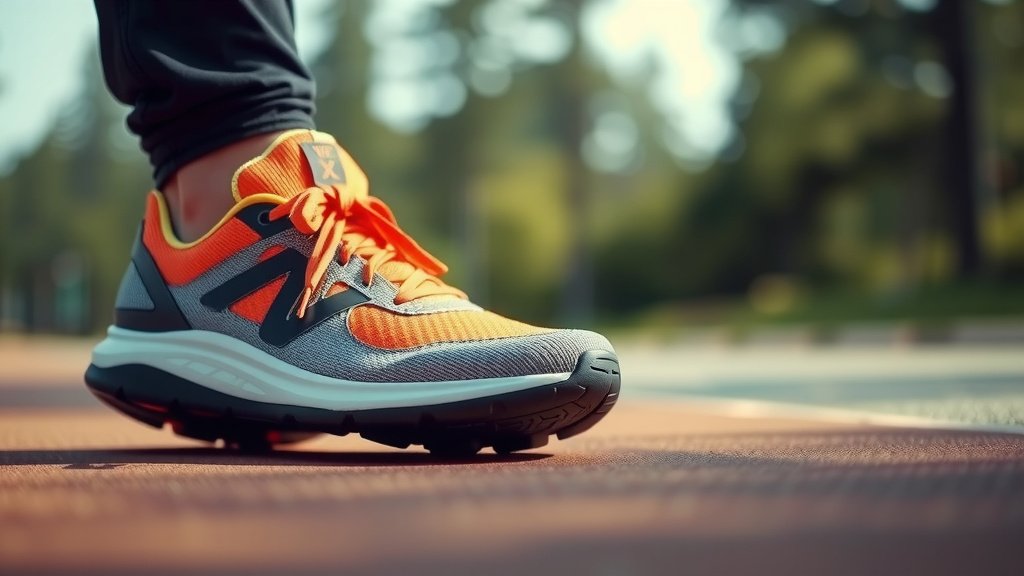
Best Running Shoes for Beginners: Top Picks for October 2026
The best running shoes for beginners are cushioned, neutral shoes with a flexible feel, such as the Brooks Ghost, Asics Gel-Nimbus, or New Balance Fresh Foam 1080. These models give you soft landings and solid support without demanding anything from your stride. You just lace up and go.
Here’s the thing: your first pair matters more than you might think. The right shoe can keep shin splints and sore knees away, while the wrong one can make you quit before week two. We researched what podiatrists and running coaches recommend, and we found that comfort and proper fit beat fancy features every single time.
- Beginners should start with cushioned, neutral shoes — no need for stability or racing models yet.
- Get fitted at a running store if you can; size up about a thumb’s width.
- Expect to spend $100 to $140 for a quality pair that lasts.
- Replace running shoes every 300 to 500 miles.
- Our top picks include the Brooks Ghost, Asics Gel-Nimbus, and Hoka Clifton.
Below, we break down our favorite beginner picks, what to look for when you shop, and how to know when it’s time for a replacement. Let’s find your perfect first pair.
Our Top Running Shoe Picks for New Runners
After comparing expert reviews and runner feedback, we found three shoes that come up again and again for beginners: the Brooks Ghost, the Asics Gel-Nimbus, and the Hoka Clifton. All three are cushioned, neutral, and forgiving. You don’t need to overthink this part.
Here’s a quick look at how they compare.
| Shoe | Feel | Best For | Typical Price |
|---|---|---|---|
| Brooks Ghost | Balanced, soft but steady | Everyday easy runs | $110–$140 |
| Asics Gel-Nimbus | Max cushion, plush | Runners who want extra softness | $150–$160 |
| Hoka Clifton | Light, bouncy, thick sole | People who like a cloud-like ride | $130–$145 |
Brooks Ghost: The Safe Bet
The Ghost is the shoe we recommend most often. It’s soft enough to protect your joints but firm enough that you can feel the ground. Think of it as the golden retriever of running shoes — friendly, dependable, never surprises you.
Beginners love it because it doesn’t ask you to change anything about how you run. You just put it on and go.
Asics Gel-Nimbus: The Cushion King
If your knees complain on every jog, the Nimbus might be your friend. Its thick gel padding soaks up impact on hard pavement. Many podiatrists recommend max-cushion shoes like this one for heavier runners or anyone with joint sensitivity (Cleveland Clinic notes that extra cushioning can reduce impact stress on knees).
The tradeoff? It costs a bit more, and some runners say it feels a little bulky. Try it on before you commit.
Hoka Clifton: The Cloud Ride
Hokas changed the shoe game with their thick, pillow-like soles. The Clifton is the brand’s most beginner-friendly model. It’s lighter than it looks, which surprises most first-time wearers.
We found it works well for people who want soft landings without a heavy shoe dragging them down.
What Makes a Shoe Beginner-Friendly?
Three things matter most: cushioning, a neutral design, and comfort. That’s it. You don’t need carbon plates, racing spikes, or shoes with more tech than your phone.
Cushioning Protects Your Joints
Every step you run sends impact up through your feet, ankles, and knees. Soft midsoles absorb some of that shock. Research suggests that well-cushioned shoes may lower impact forces compared to running barefoot or in minimal shoes (NIH-published studies on running mechanics).
As a beginner, your legs are still adapting to the new stress. Cushioning gives them time to catch up.
Neutral Means No Corrections
“Neutral” simply means the shoe doesn’t try to fix how your foot rolls. Stability shoes, by contrast, use firmer material to guide your stride. Unless a specialist has told you that you overpronate, start neutral. Many experts say most beginners do just fine in neutral shoes.
Fit Beats Features Every Time
A $180 shoe that pinches your toes is worse than a $90 shoe that fits like a glove. Studies on footwear comfort consistently show that shoes that feel good reduce your risk of blisters and black toenails (research published in the Journal of Foot and Ankle Research). Fancy features can’t fix a bad fit.
How to Get the Right Fit
Fit is where most beginners go wrong. Running shoes should feel different from your everyday sneakers. Here’s what to aim for:
- Size up a half size. Your feet swell during runs, so leave a thumb’s width of space at the toe.
- Shop later in the day. Feet are biggest in the afternoon, which matches running conditions.
- Wear running socks. The thickness changes the fit.
- Test both feet. Most people have one foot slightly bigger than the other.
- Jog a little in the store. Walking around tells you almost nothing.
If there’s a running store near you, use it. Good stores watch you walk or jog on a treadmill and recommend shoes based on your stride. It’s free, and it beats guessing.
Should You Worry About Arch Support?
Maybe less than you think. Unless you have flat feet or a diagnosed foot condition, your natural arches are probably fine. The NIH notes that evidence supporting custom insoles for the general runner population is weak. If your feet hurt consistently, see a podiatrist before buying anything special.
How Much Should You Spend on Your First Pair?
Aim for the $100 to $140 range. That’s the sweet spot where quality cushioning and durability meet a sane price tag. Under $80, you’re usually getting heavier shoes with thinner midsoles. Over $180, you’re paying for race-day tech you don’t need yet.
One honest tip: last year’s color version of a popular shoe is often 20 to 30 percent cheaper. The shoe is nearly identical. Companies just update the paint job.
When to Replace Your Running Shoes
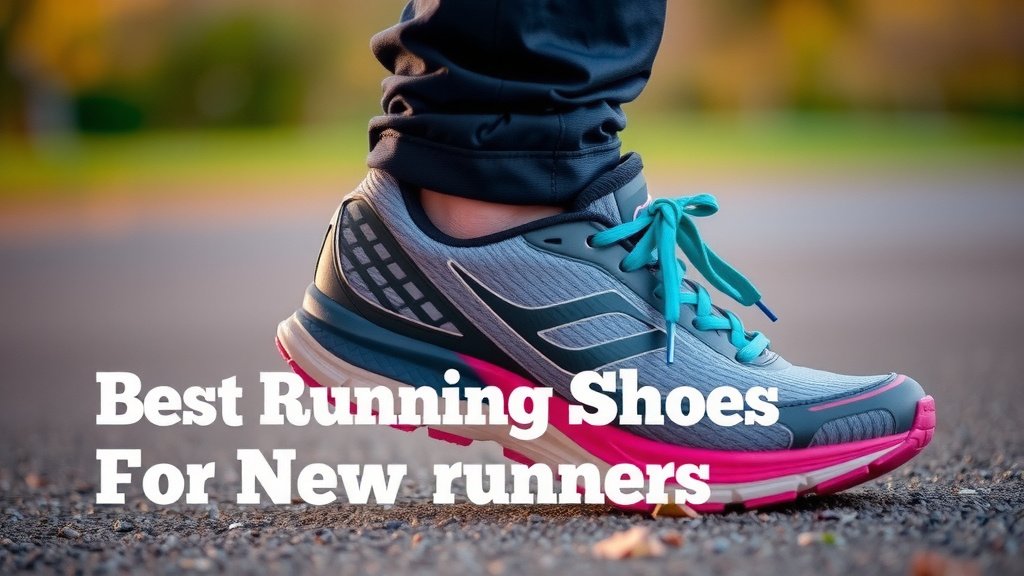
Most running shoes last between 300 and 500 miles. That’s roughly four to six months for someone running three times a week. Waiting until the sole looks worn out is too late — the cushioning usually dies before the rubber does.
Watch for these warning signs:
- New aches in your knees, shins, or hips after runs
- The sole looks compressed, wrinkled, or unevenly worn
- The shoe leans noticeably to one side when placed on a flat surface
- You can feel the pavement through the midsole more than you used to
Your body often knows before your eyes do. If runs that felt easy suddenly make you sore, tired shoes might be the culprit.
Common Beginner Mistakes to Avoid
We found a few patterns in the mistakes new runners make. Dodge these and you’ll be ahead of the pack:
- Buying for looks instead of fit. Cute shoes won’t save your shins.
- Running too much too soon. Increase your weekly distance by no more than 10 percent at a time — a rule many coaches and the CDC’s physical activity guidelines support.
- Skipping rest days. Your body gets stronger during recovery, not during the run itself.
- Wearing shoes for everything. Mowing the lawn and walking the dog wear out your running shoes faster.
- Ignoring pain. Soreness is normal; sharp pain is a signal. Stop and rest if it lingers.
Quick Fit Checklist Before You Buy
Print this or screenshot it. Run through it before you hand over your card:
- Thumb’s width of space between your longest toe and the shoe end
- No pinching across the widest part of your foot
- Heel feels snug with no slipping when you walk
- You jogged at least a few steps in them with zero hot spots
- You wore the socks you actually run in
- Price fits your budget without guilt
Nail this list, and your first pair will carry you happily into the miles ahead.
Conclusion
Finding your first pair of running shoes doesn’t need to be complicated. Stick with a cushioned, neutral shoe like the Brooks Ghost, Asics Gel-Nimbus, or Hoka Clifton, and you’re already off to a great start. Spend $100 to $140, size up half a size, and make sure the shoe feels comfortable the moment you try it on. Fit and comfort will always beat flashy features. When your shoes hit 300 to 500 miles, replace them before aches start showing up. We found that new runners who follow this simple formula stick with running far longer. Your next step? Head to a local running store, try on two or three pairs, and jog a few laps in each. Your perfect first pair is waiting.
Frequently Asked Questions
Can I use my regular sneakers to start running?
You can for a very short walk-run mix, but we don’t recommend it. Regular sneakers lack the cushioning and flexibility your feet need for repeated impact. Running in them raises your risk of shin splints and sore joints. It’s worth buying a proper pair from day one.
Should beginners buy stability shoes instead of neutral ones?
Most beginners do best in neutral shoes. Stability models are designed for people who overpronate, which is something a running store or podiatrist should diagnose first. Unless someone has told you that you overpronate, start with a neutral shoe and see how your body responds.
Is it okay to buy running shoes online?
Yes, especially if you already know your size in a specific model. We suggest visiting a running store for your first fitting, then buying online for future pairs to save money. Many retailers offer free returns, so you can test the shoes on carpet at home before committing.
Do I need different shoes for treadmill running versus outdoor running?
No, one pair works fine for both. Treadmills are slightly softer than pavement, so you could argue for less cushioning, but the difference is small. The same neutral, cushioned shoe handles both surfaces well for a beginner. The same neutral, cushioned shoe handles both surfaces well for a beginner. For more details on treadmill footwear, check out our guide on treadmill running shoes.
How do I break in new running shoes?
Modern running shoes need very little break-in time. Start with a few short, easy runs of 20 minutes or so before attempting anything longer. If a shoe causes blisters or hot spots during those first runs, it’s probably the wrong fit, not a break-in issue.