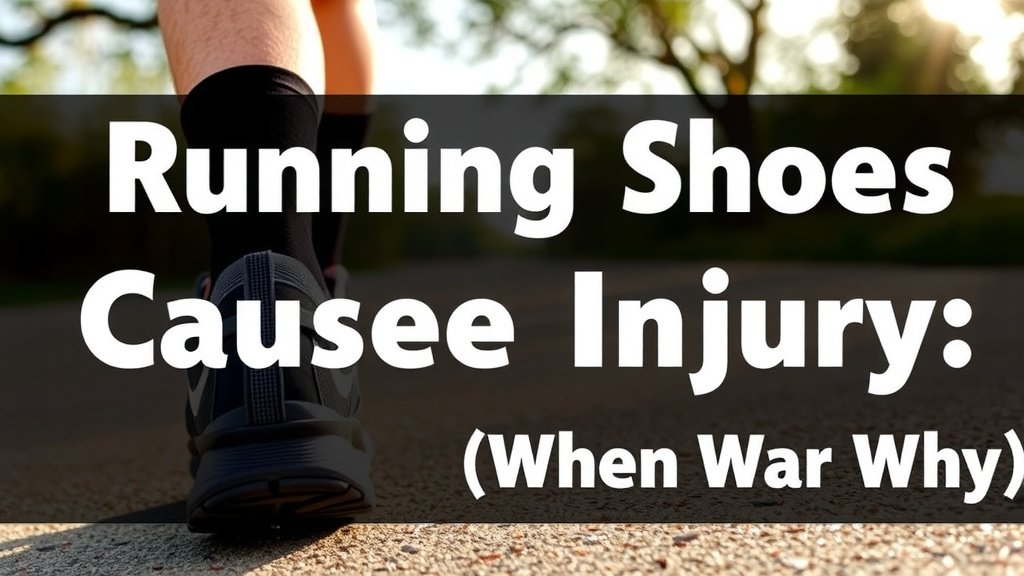
Running Shoes Causing Injury: When and Why
Yes, your running shoes can absolutely cause injury. It often happens when they don’t fit right, are worn out, or aren’t the correct type for your foot and running style. Wearing the wrong shoes can lead to painful issues like shin splints or plantar fasciitis.
Many runners overlook the importance of proper footwear. When your shoes fail to provide adequate support or cushioning, they put extra stress on your feet, ankles, and legs. This can result in common running ailments that sideline you from the activity you love. We found that many injuries are preventable with the right shoe choice.
- Wrong fit is a major culprit.
- Worn-out shoes lose their support.
- Matching shoes to your foot type matters.
- Ignoring pain can worsen shoe-related issues.
Let’s walk through why your running shoes might be causing trouble and what you can do about it.
“`htmlHow Your Running Shoes Can Lead to Injury
It might seem surprising, but your trusty running shoes could be the sneaky culprit behind those aches and pains you’re experiencing. Wearing the wrong pair, or wearing them for too long, can put your body in a vulnerable position. We found that many common running injuries stem from footwear issues.
The Wrong Fit: A Recipe for Disaster
Think of your running shoes like a glove for your feet. If they’re too tight or too loose, things can get uncomfortable pretty quickly. A shoe that’s too small can pinch your toes, leading to blisters and even ingrown toenails. Conversely, a shoe that’s too big can cause your foot to slide around. This constant friction can lead to blisters and calluses (Mayo Clinic).
When your foot slides around, your toes often grip to keep your foot in place. This unnatural gripping can strain your foot muscles and lead to arch pain. We found that getting the right size is the first step to happier feet.
Too Tight: The Squeeze Play
A shoe that’s too narrow can compress your foot. This might cause numbness or tingling in your toes. It can also lead to bunions or hammertoes over time, conditions that make finding comfortable shoes even harder. Always ensure there’s a thumb’s width of space between your longest toe and the end of the shoe.
Too Loose: The Slippery Slope
When shoes are too large, your foot moves excessively inside them. This excessive movement forces your muscles to work overtime to stabilize your foot. It can result in heel slippage, which often leads to blisters on your Achilles tendon. It also means your shoes aren’t providing the support they should.
When Shoes Lose Their Bounce: Wear and Tear
Running shoes aren’t meant to last forever. Over time, the cushioning and support they offer degrade. Imagine a trampoline that’s lost its spring; it just doesn’t absorb shock the same way. This is precisely what happens to your running shoes.
When the midsole cushioning breaks down, your feet and legs absorb more impact with every stride. We found that this increased impact can lead to stress fractures, shin splints, and pain in your joints. Many experts say you should replace your running shoes every 300 to 500 miles (CDC).
What to Look For: Signs of Shoe Fatigue
- The tread on the sole is worn smooth.
- The midsole feels compressed or stiff, not springy.
- Wrinkles or creases in the foam are deep.
- You start experiencing new aches and pains during runs.
The Type of Shoe Matters: Matching Your Stride
Not all running shoes are created equal. They are designed with different types of support and cushioning to suit various foot types and running styles. Wearing a shoe that’s fundamentally mismatched for you is like trying to use a screwdriver to hammer a nail – it’s just not going to work well. Understanding your foot type and running styles is crucial for selecting the right shoe.
Understanding Your Foot Type and Gait
Your foot arch and how your foot rolls inward (pronation) when you run are key. Some runners overpronate, meaning their foot rolls inward excessively. Others have a neutral gait, and some supinate (roll outward). Shoes are often categorized based on the level of support they offer for these different gaits.
We found that neutral shoes offer general cushioning, stability shoes help control overpronation, and motion control shoes provide maximum support. Choosing the wrong category can lead to biomechanical imbalances. This imbalance can then contribute to injuries like IT band syndrome or plantar fasciitis (NIH).
Consider Your Running Surface and Style
Are you primarily running on roads, trails, or a treadmill? Trail shoes offer more grip and protection for uneven terrain. Road shoes are typically lighter and more cushioned for harder surfaces. If you’re a forefoot striker, you might need different cushioning than a heel striker. We found that considering these details can make a big difference.
When Shoes Don’t Fit the Activity
Sometimes, the shoes themselves are fine, but you’re using them for the wrong purpose. Wearing your lightweight racing flats for everyday training might wear them out too quickly. Conversely, using a bulky, over-supported shoe for speed work can feel sluggish and hinder performance.
The Role of Custom Orthotics and Inserts
For some runners, even the best off-the-shelf shoes aren’t enough. This is where custom orthotics or supportive inserts can come into play. They can help correct biomechanical issues and provide targeted support that standard insoles can’t offer. Many podiatrists recommend them for persistent foot pain.
However, we found that it’s essential to get these from a medical professional. Poorly fitted or unnecessary orthotics can actually worsen problems. They can alter your natural gait in a way that causes new injuries.
A Quick Checklist: Are Your Shoes Sabotaging You?
Let’s do a quick check-up on your current running companions. Ask yourself these questions:
- Do my shoes feel too tight or too loose when I put them on?
- Have I run more than 500 miles in these shoes?
- Do they feel flat and offer little shock absorption anymore?
- Do I experience new pain in my feet, ankles, or shins after running?
- Were these shoes recommended for my specific foot type and gait?
- Do they feel comfortable and supportive throughout my entire run?
If you answered “yes” to any of these, your shoes might be contributing to your discomfort. It’s time to pay closer attention to what’s on your feet.
“`
Conclusion
Your running shoes play a vital role in preventing injuries. We’ve seen how a wrong fit, worn-out cushioning, or a mismatched shoe type can lead to pain and setbacks. Paying attention to your footwear is an investment in your running health. Don’t let your shoes become the reason you can’t hit the road. Your next step should be a trip to a reputable running store to get properly fitted for a new pair that suits your unique needs.
Frequently Asked Questions
How often should I replace my running shoes?
You should aim to replace your running shoes every 300 to 500 miles. Track your mileage, or watch for signs of wear like flattened cushioning or worn-out treads. Continuing to run in old shoes can lead to increased impact on your joints.
Can wearing non-running shoes for running cause injury?
Yes, absolutely. Shoes designed for other activities lack the specific cushioning, support, and durability needed for running. This can put unnatural stress on your feet and legs, increasing your risk of injuries like shin splints or stress fractures.
What if my new running shoes hurt my feet?
It’s common for new shoes to feel a bit different, but significant pain isn’t normal. If your new shoes cause blisters, pinching, or new aches, they might be the wrong size, width, or type for you. We found that returning them for a different model or size is often the best solution.
Should I get my gait analyzed before buying shoes?
Getting your gait analyzed can be very helpful, especially if you’ve had recurring injuries. A professional can assess how your foot moves when you run and recommend shoe types that offer the right support for your pronation. This guidance can prevent future issues.
Are expensive running shoes always better?
Not necessarily. While higher-priced shoes might offer advanced features, the most important factor is how well they fit your foot and running style. We found that a moderately priced shoe that’s correctly fitted is far better than an expensive one that isn’t.