Does a Higher Heel Drop Make Running Easier? What to Know
No, a higher drop is not automatically better for running. The right heel-to-toe drop depends on your body, your stride, and how your feet hit the ground. What works great for one runner can leave another with sore calves and a very bad mood.
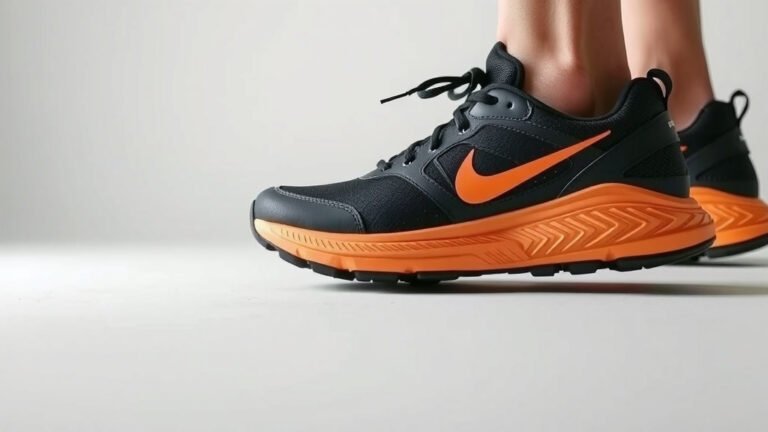
Drop is simply the height difference between a shoe’s heel and its forefoot, usually between 0 and 12 millimeters. We looked into what running experts and research actually say, and the short answer is this: comfort and injury history matter more than the number on the box. A lower drop can encourage a midfoot landing, while a higher drop tends to shift impact toward your knees and hips.
- Higher drop (8-12mm) may feel easier on your calves and Achilles.
- Lower drop (0-4mm) can strengthen feet and calves over time.
- Switching drops too fast is a common cause of calf pain and shin splints.
- The best drop is usually close to what you already run in comfortably.
- Change gradually, one short run at a time.
Below, we break down how drop really works, who it helps, and how to pick the right number for your feet. Let’s find your perfect match.
How Heel Drop Actually Changes Your Running
Heel drop changes where the impact lands when your foot hits the ground. Think of it like the suspension on a car. A taller heel acts like softer shocks, easing the load on one part of your body while adding a bit more to another.
We found that a higher drop tends to shift stress toward your knees and hips. A lower drop pushes more of the work into your calves, Achilles, and feet. Neither is bad. Your body just handles load differently depending on the angle under your foot.
What the Research Says About Drop and Injuries
Here’s the honest part: the science is messier than shoe marketing suggests. Some studies reviewed by the NIH found that shoe drop alone did not reliably predict injury rates. Runners got hurt in both high-drop and low-drop shoes.
What seemed to matter more was change. Runners who jumped to a very different drop quickly reported more calf and Achilles complaints. That lines up with what many physical therapists see in their clinics every week.
Does Drop Change How Your Foot Strikes?
Often, yes, but not always. A lower drop nudges many runners toward a midfoot landing. A higher drop makes heel striking feel more natural, because the shoe is literally built up back there.
But your stride is stubborn. Some runners heel strike in zero-drop shoes anyway. Your form comes from your body’s habits, strength, and history, not just the shoe under it.
Who Should Consider a Higher Drop Shoe
A higher drop can be a smart pick if you have a history of calf strains or Achilles tightness. The lifted heel shortens the working length of those muscles, which gives them a break.
It can also help if you’re a heavier-impact runner or you’re coming back from a knee-friendly phase of rehab. Many casual runners simply find 8-12mm shoes more comfortable, and comfort is a legitimate reason.
- Chronic calf or Achilles tightness.
- Preferring a heel strike when you run.
- Long runs where fatigue changes your form.
- Years of happy running in higher-drop shoes already.
When a Higher Drop Might Work Against You
The extra heel can load your knees and hips a bit more. If those joints are your trouble spots, a moderate drop might serve you better.
There’s also the stability question. A big heel-to-toe difference can feel like standing on a small ramp. Some runners notice that on trails or tight turns.
Who Should Consider a Lower Drop Shoe
A lower drop may suit you if your knees or hips complain more than your calves. It spreads some of the workload down the leg, into muscles that often need more strength anyway.
It can also help runners who want stronger feet over time. We found that experts generally agree low-drop shoes make your calves and feet work harder, which can build capacity if you transition slowly.
The Transition Rule Nobody Told You About
Here’s the mistake we see over and over: buying zero-drop shoes and running your usual 5 miles the next day. Your calves will file a formal complaint by morning.
Many experts suggest starting with one short run per week in the new shoes. Add a little distance each week over a month or two. Think of it like training a new muscle group, because that’s exactly what it is.
Research summarized by the NCBI on minimalist shoe transitions found the same pattern: slow switchers did fine, fast switchers got hurt. Patience wins.
Quick Guide: Matching Drop to Your Body
This table is a starting point, not a prescription. Your comfort always wins ties.
| Your Situation | Good Starting Drop | Why It Helps |
|---|---|---|
| Sore calves or Achilles issues | 8-12mm | Reduces calf loading |
| Recurring knee or hip pain | 4-8mm | Shifts some load to lower leg |
| Happy heel striker, no pain | 8-12mm | Matches your natural stride |
| Wanting stronger feet | 0-4mm | Trains calves and feet gradually |
| First pair of running shoes | 6-10mm | Comfortable middle ground |

Common Myths About Drop, Busted
Let’s clear up a few things you’ve probably heard at the running store or from that guy in your running group.
Myth: Low Drop Automatically Fixes Your Form
A shoe can nudge your stride, but it can’t rewire it. Form improves through strength work and practice, not footwear alone. We found no solid evidence that low-drop shoes make you a better runner by themselves.
Myth: High Drop Shoes Are Only for Beginners
Plenty of experienced marathoners run in 10mm shoes. The Cleveland Clinic notes that footwear choice should match your body and injury history, not your runner resume. Elite habits don’t require a thin heel.
Your Pre-Purchase Checklist
Before you click buy, run through this quick list:
- Check the drop on the shoes you currently run in.
- Note any recent calf, knee, or Achilles trouble.
- Pick a new pair within 2-4mm of your current drop.
- Try them on and jog briefly in the store if you can.
- Plan short transition runs, not race-day debuts.
- Reassess after a month of honest use.
How to Switch Drops Safely
Ready to try something new? Keep your old shoes in rotation for a while. Alternate pairs so your body gets gradual exposure instead of a shock.
Start with easy, short runs. Skip speed work in new-drop shoes until they feel boring. If your calves feel tight the next morning, back off a week. Soreness is feedback, not failure.
And if you’re recovering from an injury, check with a physical therapist first. A quick conversation can save you months of setbacks, and honestly, your legs deserve it.
Conclusion
So, is a higher drop better for running? Only if it fits your body and your history. We found that the number on the box matters far less than how your calves, knees, and feet respond to it. Sore Achilles? A lifted heel may be your friend. Troubled knees? A moderate or lower drop could spread the load better. And whatever you choose, switch slowly. Your muscles need time to adjust to a new angle, and rushing the change is the fastest way to the injury list. This week, check the drop on your current shoes and use that as your baseline. Let comfort guide your next pair.
Frequently Asked Questions
Does heel drop affect running speed?
Not directly. Some racers prefer lower-drop shoes for a snappier toe-off, while others feel faster with a heel under them. Speed comes from training and fitness far more than shoe geometry, so pick what feels good at pace.
Can I run in different drop shoes on different days?
Yes, and many runners do. Rotating between drops spreads stress across different tissues, which some experts consider a smart way to build well-rounded strength. Just make sure each pair gets a gradual introduction.
Is zero-drop bad for beginners?
Not necessarily, but it demands a slower ramp-up. Zero-drop shoes make your calves and Achilles work harder than most new runners are used to. If you start there, keep early runs short and give yourself extra recovery days.
How do I find the heel drop of my current shoes?
Check the manufacturer’s product page or the shoe tag, since drop is usually listed in millimeters. Most running shoe brands print it in the specs. If you can’t find it, a quick search of the model name plus “heel drop” usually does the trick.
Should my walking shoes and running shoes have the same drop?
They don’t need to match. Walking puts far less load on your calves than running does, so a mismatch won’t cause problems for most people. That said, if you’re transitioning to a lower drop for running, a similar everyday shoe can ease the adjustment.