Running Shoe Toe Box Explained: Your Guide to Fit and Comfort
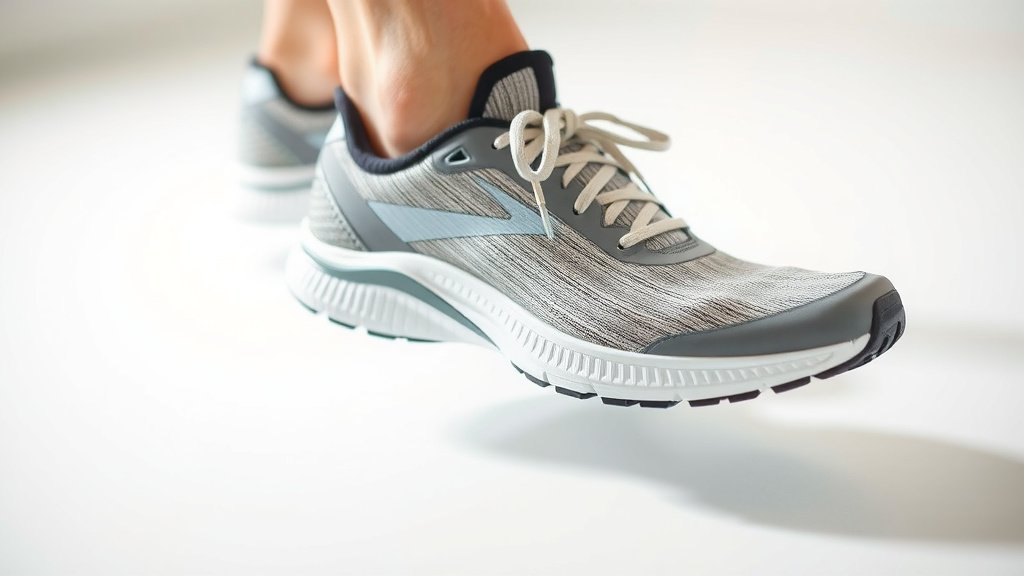
The toe box in your running shoes is the front section that covers your toes. It’s designed to give your toes enough room to splay naturally. A well-fitting toe box prevents discomfort and potential foot problems while you run.
Think of it as the toe’s personal space. When it’s too tight, your toes can get squished, leading to blisters or even bunions over time. Many runners overlook this part, but it’s key to comfort and preventing foot pain on your runs.
- The toe box is the front part of your running shoe.
- It protects and gives your toes room to move.
- A good toe box allows toes to spread out naturally.
- This helps prevent common running foot issues.
Ready to learn how to find a shoe with the perfect toe box for your feet? Let’s dive in!
Understanding the Toe Box in Your Running Shoes
The toe box is more than just the front of your shoe. It’s where your foot does some of its most important work. It needs to be just right for happy feet. Let’s take a closer look at this often-overlooked part.
What exactly is the toe box? It’s the section of the running shoe that surrounds your toes and the metatarsals. This area is designed to be spacious. Your toes should have room to wiggle and spread out. Think of it as a little free-range area for your digits. A shoe with a wider toe box can make a big difference for ultra runners.
Why the Toe Box Matters for Runners
You might not think much about the toe box. But it plays a big role in how your run feels. A properly fitting toe box can make a world of difference. It can prevent a lot of common running woes. Your feet are your foundation, and this part of the shoe supports them.
The Impact of a Tight Toe Box
When your toe box is too narrow or shallow, your toes get squished. This can lead to immediate discomfort. You might feel tingling or numbness during your run. Longer-term, a tight toe box can cause more serious issues. Blisters are a common problem. You might also develop calluses or corns.
Some research indicates that prolonged toe compression can contribute to foot deformities. Bunions are one such concern. These are bony bumps that form on the joint at the base of your big toe. Hammertoes, where your toes bend abnormally, can also be aggravated or caused by tight footwear (American Podiatric Medical Association). Your toes need space to live their best life!
The Benefits of a Spacious Toe Box
On the flip side, a well-designed toe box offers many benefits. It allows your foot to function naturally. When you run, your foot expands slightly. Your toes naturally splay to help with balance and propulsion. A roomy toe box accommodates this natural movement.
This means better stability on uneven terrain. It also means improved comfort over longer distances. Your toes won’t feel crammed or confined. This can help prevent fatigue in your feet. You’ll feel more connected to the ground, which is a good thing for your stride.
Anatomy of the Running Shoe Toe Box
Let’s break down the different aspects of a toe box. It’s not just about width. There’s also depth and shape to consider.
Width: The Most Common Concern
The width of the toe box is probably what most people think of. This refers to how much side-to-side space your toes have. Many running shoes come in different widths. This is great news for runners with wider or narrower feet. Always check if a shoe offers wide (2E, 4E) or narrow (B) options if standard widths don’t fit.
Depth: Don’t Forget the Height
The depth of the toe box is about how much vertical space there is. If a shoe is too shallow, the top of your toes can rub against the shoe. This can lead to bruised toenails or general irritation. If you have high arches or naturally longer toes, shoe depth is very important. Look for shoes that feel comfortable without your toes hitting the top.
Shape: Form Follows Function
The shape of the toe box is designed to match the natural shape of your foot. Ideally, it should be wider at the front and taper gently towards the heel. This allows your toes to spread out without feeling restricted. Some shoes have a more squared-off toe box, while others are more pointed. You want a shape that works with your foot’s natural structure.
| Feature | Ideal Fit | Problem Signs |
|---|---|---|
| Width | Toes can spread without touching the sides. | Toes crammed together, pinching. |
| Depth | Toes don’t hit the top of the shoe. | Toenails hitting the shoe, bruising. |
| Shape | Accommodates natural toe splay. | Toes forced into an unnatural position. |
| Overall Comfort | No immediate pinching or rubbing. | Discomfort or pressure points from the start. |
How to Find the Right Toe Box for You
Finding the perfect toe box isn’t complicated. It just takes a little attention. Here’s a simple way to approach it. You want a shoe that feels good from the moment you put it on.
Try Them On Later in the Day
Your feet naturally swell throughout the day. They also swell during exercise. Trying on shoes in the afternoon or evening gives you a more accurate fit. It accounts for this natural expansion. This is a tip many shoe experts recommend (National Institute of Arthritis and Musculoskeletal and Skin Diseases).
Wear Your Running Socks
Always wear the socks you plan to run in when trying on shoes. Running socks can be thicker than your everyday socks. They add bulk. Using them ensures you get a true sense of the shoe’s fit in the toe box. Don’t forget this step!
The “Thumb Width” Rule
A common guideline is to have about a thumb’s width of space between your longest toe and the end of the shoe. This applies when the shoe is on your foot and you’re standing. However, remember this is just a starting point. You also need to consider width and depth.
Wiggle and Spread Test
Once the shoe is on, can you wiggle your toes up and down? Can you spread them out comfortably? If you can’t, the toe box is likely too small in either width or depth. Your toes should feel free, not confined. Pay attention to any pressure points.
Listen to Your Feet
Ultimately, your feet will tell you if the toe box is right. There should be no immediate pinching, rubbing, or discomfort. A shoe that feels good right away is usually a good sign. Don’t assume you can “break in” a shoe with a bad toe box fit. It’s usually not worth the pain.
Consider Different Brands and Models
Not all brands or models fit the same. Some brands tend to run narrower or wider in the toe box. Others might offer more depth. It’s worth trying on several different options. This will help you discover which ones suit your foot shape best. You might be surprised by what works.
Check for These Common Toe Box Issues: A Quick Checklist
- Can you wiggle your toes freely?
- Do your toes feel cramped side-to-side?
- Does the top of the shoe press on your toes?
- Are there any immediate hot spots or rubbing?
- Does the shape feel natural for your foot?
Conclusion
You’ve learned that the toe box is your running shoe’s front section, designed for your toes’ natural splay. A proper fit prevents blisters, bunions, and discomfort, enhancing your overall running experience. Remember to consider width, depth, and shape, and always try shoes on later in the day with your running socks. Don’t ignore your feet’s signals; they’ll tell you if the toe box is right. Visit your local running store and have a professional analyze your gait and foot shape to help you find that perfect pair.
Frequently Asked Questions
How do I know if my running shoe toe box is too tight?
If your toes feel cramped, numb, or tingly during or after your run, your toe box is likely too tight. You might also notice your toenails hitting the front of the shoe, or an inability to wiggle your toes freely. Persistent discomfort or blisters at the front of your feet are clear signs.
Can a bad toe box cause foot problems?
Yes, a shoe with a toe box that’s too narrow or shallow can definitely cause foot problems. Prolonged pressure can lead to issues like blisters, calluses, bunions, and hammertoes over time. Giving your toes enough room is key for long-term foot health.
What’s the difference between toe box width and depth?
Width refers to the side-to-side space available for your toes to spread out. Depth refers to the vertical space, ensuring your toes don’t rub against the top of the shoe. Both are critical for a comfortable and healthy fit.
Should I choose a shoe with a wide toe box if I have wide feet?
Absolutely. If your feet naturally spread wide, or if standard shoes feel snug around the forefoot, opt for models that offer a wider toe box or are specifically available in wide sizes (like 2E or 4E). This allows your toes to function naturally without compression.
Does the shape of the toe box matter?
Yes, the shape matters a lot! An ideal toe box mimics the natural shape of your foot, being wider at the front to allow toes to splay. Some shoes have a more rounded or anatomical shape, which is generally better than a sharply pointed one for promoting natural foot mechanics.