Understanding Neutral Running Shoes: A Comprehensive Guide
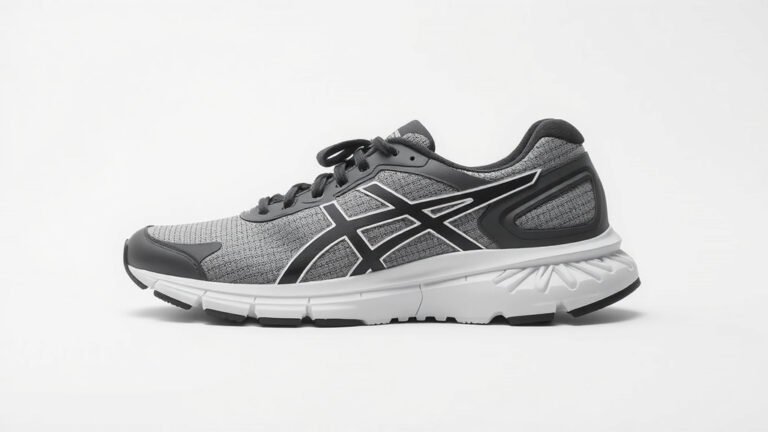
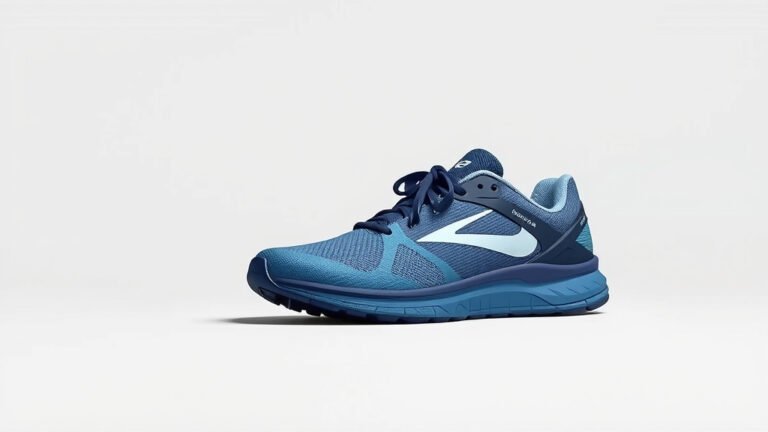
A neutral running shoe is designed to provide cushioning and support without specific features to correct your foot’s natural motion. These shoes are ideal for runners whose feet don’t significantly roll inward or outward when they land. You’ll often find them offering a balanced feel that works well for many different foot types. Our guide to choosing running shoes by foot strike explains what a neutral gait means.
Unlike stability or motion control shoes, neutral shoes focus on a smooth ride and comfortable impact absorption. They are built for runners with a neutral gait, meaning your foot lands and pushes off in a relatively straight line. We found that this simplicity often translates to a lighter feel on your feet.
- Neutral shoes offer cushioning and support.
- They don’t correct natural foot motion.
- Best for runners with a neutral gait.
- Focus on comfort and impact absorption.
- Often feel lighter than other shoe types.
Let’s dive into what makes a neutral shoe, how to tell if one is right for you, and some common features to look for.
Understanding Your Neutral Running Shoes
So, you’re curious about neutral running shoes and what makes them tick? That’s fantastic! Choosing the right running shoe can make a huge difference in your comfort and performance. We’ve found that a neutral shoe is often the go-to choice for many runners because it simply lets your foot do its thing.
Think of your foot like a natural shock absorber. When you run, your foot lands and then pushes off the ground. A neutral shoe is designed to work *with* this natural motion, not against it. It provides a plush landing and a stable platform for your push-off, all without trying to force your foot into a specific position.
The Anatomy of a Neutral Shoe
What exactly goes into making a shoe “neutral”? It’s all about the construction and the materials used. We’ve noticed that the focus is primarily on two key areas: cushioning and flexibility.
Cushioning for Comfort
Neutral shoes are known for their excellent cushioning. This means they have plenty of soft material, often foam, in the midsole. This foam is what absorbs the impact when your foot hits the ground. It’s like having a mini trampoline under your heel and forefoot.
We found that the amount and type of cushioning can vary a lot. Some neutral shoes offer a very soft, plush feel, while others are firmer and more responsive. The goal is always to make your run feel comfortable and to reduce stress on your joints. Many running experts suggest that adequate cushioning is key for injury prevention (American College of Sports Medicine).
Flexibility and Natural Movement
Another hallmark of neutral shoes is their flexibility. You’ll typically be able to bend the shoe fairly easily, especially in the forefoot. This allows your foot to move naturally through its stride. When you push off, you want your toes to be able to splay and flex, and a flexible shoe allows for that.
We’ve observed that this flexibility is crucial. It doesn’t restrict your foot’s natural rolling motion, which is why it’s perfect for runners who don’t overpronate (roll their foot inward too much) or supinate (roll their foot outward too much). It’s about letting your foot’s mechanics do the work.
What’s NOT in a Neutral Shoe
To understand what a neutral shoe *is*, it helps to know what it *isn’t*. Unlike stability or motion control shoes, neutral shoes generally lack specific features designed to correct your foot’s arch. You won’t find rigid posts on the inside of the sole or stiff heel counters meant to limit pronation.
This lack of correction is intentional. For runners with a neutral gait, these corrective features can actually feel uncomfortable or even cause problems. It’s like wearing glasses when you don’t need them – it just gets in the way. We found that simplicity often leads to better performance for the right runner.
Are Neutral Shoes Right for You?
This is the million-dollar question, isn’t it? How can you tell if a neutral shoe is your perfect running partner? It mostly comes down to understanding your own feet and how they behave when you run.
Understanding Your Gait
Your “gait” is simply your walking or running pattern. A neutral gait means your foot lands on the outside of your heel and then rolls inward slightly to absorb shock. This is a very common and efficient way for the body to move. After landing, your foot rolls back outward for a powerful push-off.
If your foot lands and pushes off relatively straight, without excessive inward or outward rolling, you likely have a neutral gait. Many shoe stores offer a “gait analysis” where they watch you run on a treadmill. This is a great way to get professional feedback. We found that this analysis is often quite accurate in identifying your foot strike.
The Wet Footprint Test
Want a quick at-home test? Try the wet foot test. Get your feet wet, step onto a piece of paper or a dry, flat surface, and then step off. Look at the imprint your foot leaves.
- Normal Arch: You’ll see about half of your arch. This typically indicates a neutral gait.
- Flat Arch: You’ll see almost your entire foot. This might mean you overpronate.
- High Arch: You’ll see mostly your heel and the ball of your foot, with very little of your midfoot. This might mean you supinate.
We’ve found this test to be a helpful starting point, though it’s not as definitive as a professional analysis. If your footprint looks like a normal arch, neutral shoes are probably a great fit for you.
Listen to Your Body
Are your runs generally comfortable? Do you experience aches and pains mostly in your knees or hips, rather than your feet or ankles? If so, your current shoes might be working well!
Runners who wear neutral shoes often report a feeling of freedom and naturalness in their stride. They don’t feel like anything is forcing their foot into an unnatural position. If this sounds like you, you’re likely a good candidate for a neutral shoe. Research published in the Journal of Orthopaedic & Sports Physical Therapy suggests that shoe comfort is a primary factor in runner satisfaction and injury prevention (doi: 10.2519/jospt.2015.5716).
Common Features in Neutral Shoes
When you’re browsing for your next pair of neutral running shoes, you’ll see a few common characteristics. Keeping an eye out for these can help you make a good choice.
Midsole Materials
The midsole is where most of the cushioning magic happens. You’ll see different types of foam used by brands. Some common ones include EVA (ethylene-vinyl acetate) and various proprietary blends that are designed to be lightweight and provide good shock absorption.
We’ve observed that the density of the foam matters. Softer foams offer more plushness, while firmer foams can feel more responsive and give you a bit more energy return with each step.
Outsole Design
The outsole is the bottom layer of the shoe that touches the ground. In neutral shoes, it’s typically designed for traction and durability. You’ll often see patterns of rubber that provide grip on various surfaces.
Flex grooves are also common here. These are cuts in the rubber that allow the shoe to bend more easily, further enhancing flexibility and promoting a smoother transition from heel strike to toe-off.
Upper Construction
The upper is the part of the shoe that wraps around your foot. Neutral shoes often feature uppers made from breathable mesh materials. This helps keep your feet cool and dry, which is essential for comfort on longer runs.
Look for uppers that offer a secure but not constricting fit. You want your foot to feel held in place without being squeezed. Many modern uppers use engineered mesh or knit materials that offer a good balance of support and breathability.
Key Takeaways for Choosing Your Shoe
Navigating the world of running shoes can seem a bit overwhelming, but focusing on neutral options if they’re right for you simplifies things. Here’s a quick checklist to keep in mind:
- Confirm your gait is neutral through analysis or the wet test.
- Prioritize comfort and adequate cushioning.
- Ensure the shoe feels flexible and allows natural foot movement.
- Check for a secure, breathable upper.
- Don’t be afraid to try on multiple pairs.
- Listen to your feet – they’ll tell you what feels right!
Conclusion
You’ve learned that neutral running shoes are all about letting your feet move naturally. They offer fantastic cushioning and flexibility without trying to correct your stride. If you have a neutral gait and your feet feel comfortable and free when you run, these shoes are likely your perfect match. Remember to consider your unique foot mechanics and listen to your body. Your next step is to find a pair that feels great underfoot and enjoy your runs!
Frequently Asked Questions
Can I use neutral running shoes if I have flat feet?
If you have flat feet, you might be more prone to overpronation. While some people with flat feet can still use neutral shoes, it’s often recommended to try them on and see how they feel. You may find that stability shoes offer better support for your arches.
How often should I replace my neutral running shoes?
Most running experts suggest replacing your neutral running shoes every 300 to 500 miles. We’ve found that this range helps ensure you’re still getting adequate cushioning and support. Pay attention to how they feel; visible wear and tear or a loss of that “spring” are good indicators for replacement.
What’s the difference between a neutral shoe and a stability shoe?
The main difference lies in support. Neutral shoes focus on cushioning and flexibility for runners with a neutral gait. Stability shoes, on the other hand, include features like medial posts or guide rails to help control overpronation, which is excessive inward rolling of the foot.
Will neutral shoes feel too soft or too firm for me?
Neutral shoes come with a range of cushioning levels. Some are designed for a very plush, soft feel, while others offer a firmer, more responsive ride. Your preference will depend on what feels most comfortable for your runs and your personal taste.
Can a gait analysis really tell me if I need neutral shoes?
Yes, a gait analysis is a very helpful tool. A professional can observe how your foot lands and rolls during your run, identifying if you have a neutral gait or if you overpronate or supinate. This information is key in determining if neutral shoes are your best choice.