What Is Motion Control Running Shoe: A Guide
A motion control running shoe is designed to help runners whose feet tend to roll inward excessively, a condition known as overpronation. These shoes provide extra support and stability to guide your foot into a more neutral and efficient stride. If you notice your old shoes wear down heavily on the inner edge, a motion control shoe might be your next best friend for a smoother, more comfortable run.
Finding the right shoe can make a big difference in preventing common running injuries. Motion control shoes are a specific type of stability shoe. They offer the highest level of support compared to neutral or even standard stability shoes. We’ve found they are often recommended for runners needing robust correction for their gait.
- Motion control shoes offer maximum support.
- They are built to correct overpronation.
- Look for inner wear on old shoes as a clue.
- They help improve running efficiency.
- Preventing injuries is a key benefit.
So, what exactly makes a shoe a “motion control” shoe, and how can you tell if it’s the right fit for your feet? Let’s break down the features and benefits.
Understanding Motion Control Running Shoes
So, what exactly defines a motion control running shoe and who benefits most from this type of footwear? These shoes are engineered with robust support features. They are specifically designed for runners who experience severe overpronation. This means your foot rolls inward excessively upon landing. Motion control shoes aim to limit this excessive inward roll.
What Does Overpronation Look Like?
Overpronation is common. You might notice it if your ankles roll inward a lot when you run or walk. This can cause your arches to flatten. Sometimes, it’s easy to spot by looking at your old running shoes. Do they show heavy wear on the inside edge of the sole? That’s a strong indicator of overpronation.
The Impact of Overpronation on Your Stride
When your feet overpronate, it can throw off your natural running mechanics. This misalignment can send shockwaves up your legs. It can affect your knees, hips, and even your back. Research suggests that controlling this excessive motion can lead to a smoother and more stable stride (American Academy of Orthopaedic Surgeons). This stability helps your body absorb impact more effectively.
Key Features That Define Motion Control Shoes
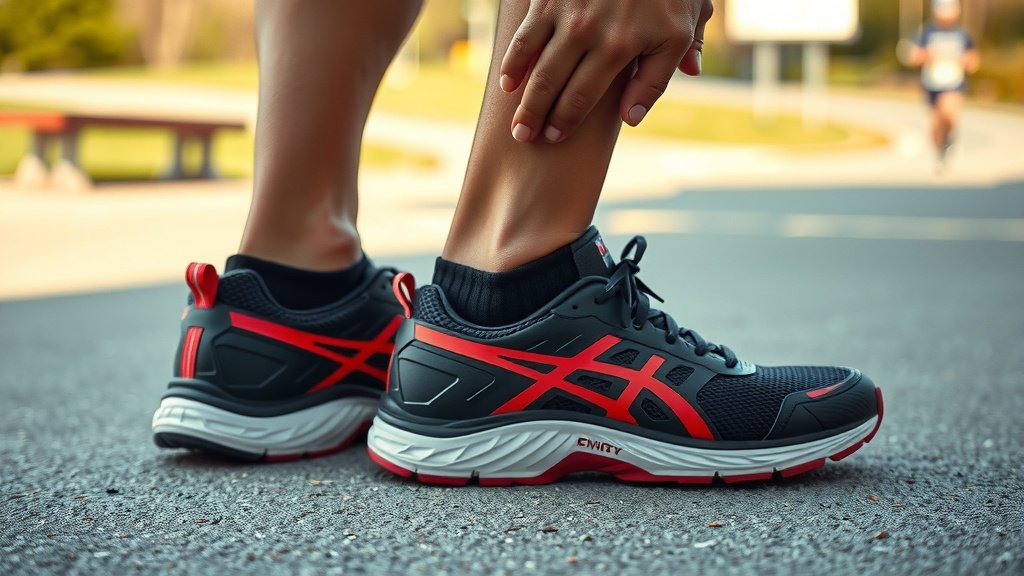
Motion control shoes aren’t just slightly more supportive. They are built with a mission to provide maximum stability. Think of them as having a built-in support system for your feet. Several design elements work together to achieve this.
Sturdy Midsole Technology
The midsole is the cushioning layer between the outsole and the upper. In motion control shoes, this area is often firmer and denser. We found that many use a dual-density foam. This means one part is softer, and another, typically on the inner side, is much firmer. This firmer section, often called a medial post, resists compression on the inside of the shoe.
The Role of the Medial Post
This medial post is a key component. It actively counteracts the inward roll of your foot. When your foot lands and starts to roll inward, the firmer foam of the medial post provides resistance. This helps to guide your foot toward a more neutral position. It’s like having a gentle hand guiding your foot through its natural motion path.
Enhanced Arch Support
Beyond the medial post, motion control shoes often feature enhanced arch support. The insole or the midsole itself is shaped to cradle your arch. This prevents it from collapsing too much during your stride. This helps maintain a more upright foot position, reducing the stress on your plantar fascia and other foot structures.
Structured Heel Counter
The heel counter is the part of the shoe that cups your heel. In motion control shoes, this is typically stiffer and more rigid. A firm heel counter helps lock your heel in place. It prevents excessive side-to-side movement of your heel bone. This provides a stable foundation for your entire foot strike.
Wider Base of Support
Many motion control shoes also boast a wider platform, especially in the forefoot and heel. This wider base offers more surface area for your foot to land on. It naturally increases stability. It’s similar to how a wider base makes a stool more stable than a narrow one.
Are Motion Control Shoes Right for You?
Deciding if you need motion control shoes involves a little self-assessment. Many runners can benefit, but they are most recommended for a specific group.
Identifying Your Foot Type and Gait
The best way to know for sure is to get a gait analysis. Many running stores offer this service. They’ll watch you walk or run. They can often tell if you overpronate significantly. If you have flat feet or low arches, you might also be a candidate. Research indicates that flat feet are often associated with overpronation (National Institutes of Health).
Signs You Might Need Motion Control
Here’s a quick checklist to help you consider if these shoes could be a good fit:
- Your feet roll inward excessively (overpronation).
- Your arches tend to collapse when you run.
- You experience pain in your ankles, shins, knees, or hips.
- Your old running shoes show significant wear on the inner edges.
- You have been told you have flat feet.
- You’re looking for the maximum level of support available.
Comparing Motion Control to Other Shoe Types
It’s helpful to see how motion control shoes stack up. Think of running shoes on a spectrum of support:
| Shoe Type | Primary Purpose | Level of Support | Best For |
|---|---|---|---|
| Neutral Shoes | Cushioning and flexibility. No added stability features. | Low | Runners with neutral pronation or high arches. |
| Stability Shoes | Mild to moderate support for overpronation. | Medium | Runners with mild overpronation. |
| Motion Control Shoes | Maximum support to control severe overpronation. | High | Runners with severe overpronation or flat feet. |
As you can see, motion control shoes offer the highest degree of correction. If you have very mild overpronation, a standard stability shoe might be enough. But if your pronation is severe, motion control provides the necessary structure.
Conclusion
You’ve learned that motion control running shoes are your top choice for tackling severe overpronation. They offer the highest level of stability through features like firmer midsoles and structured heel counters. These shoes help guide your foot into a more natural motion path. This can lead to a smoother run and help prevent discomfort. If your old shoes show wear on the inner edges or you have flat feet, it’s time to consider these supportive shoes. Your next step? Visit a specialized running store for a gait analysis. They can confirm if motion control is the right support for your stride and recommend the perfect pair.
Frequently Asked Questions
Can I wear motion control shoes if I don’t overpronate severely?
Generally, motion control shoes are designed for severe overpronation. If your pronation is mild or you have a neutral gait, they might feel too stiff or restrictive. You could find standard stability or neutral shoes more comfortable and effective for your running style.
How often should I replace my motion control running shoes?
Like all running shoes, motion control shoes lose their supportive features over time. We recommend replacing them every 300 to 500 miles. Pay attention to how they feel; if you notice less support or new aches, it’s likely time for a fresh pair.
Are motion control shoes good for walking too?
Yes, motion control shoes can be beneficial for walking, especially if you overpronate. They provide excellent support and can help make walking more comfortable and stable. However, they might feel a bit rigid compared to shoes designed solely for walking.
What’s the main difference between stability and motion control shoes?
The primary difference is the level of support. Stability shoes offer medium support for mild to moderate overpronation. Motion control shoes provide maximum support designed to correct severe overpronation, often with stiffer construction and more robust corrective features.
Will motion control shoes fix my flat feet?
Motion control shoes can help manage the effects of flat feet, like overpronation, by providing extra support. They don’t actually change the structure of your foot. They work by guiding your foot into a more stable position as you run or walk, which can reduce strain and improve comfort.