Running Shoe Sizing Guide: Find Your Perfect Fit
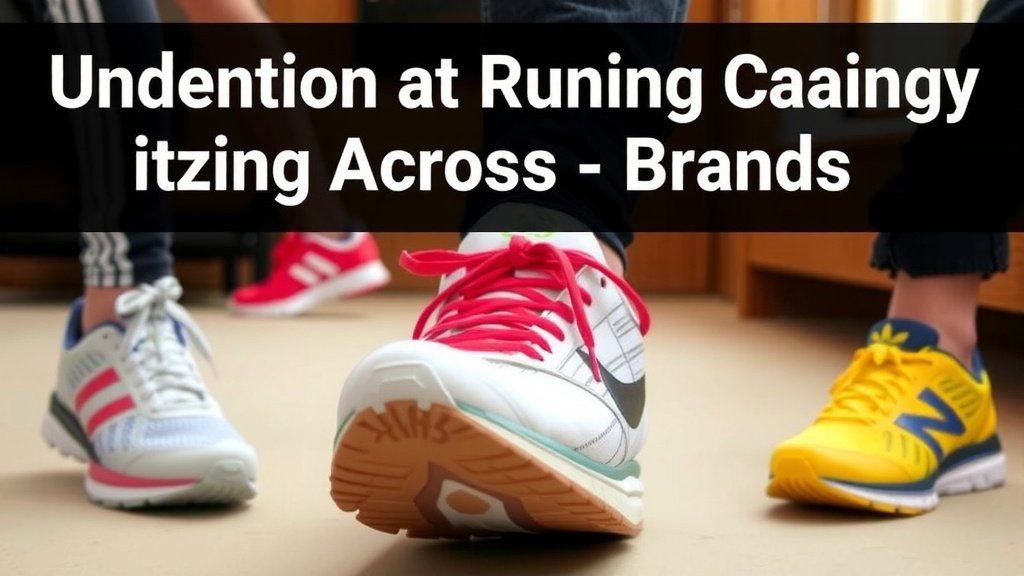
Running shoe sizing across brands is not standardized, meaning your usual size in one brand may not fit the same in another. You’ll likely need to try on shoes or consult size charts carefully to find your perfect fit. This can feel frustrating, but it’s common when shopping for athletic gear.
Many runners find that brands like Nike, Adidas, Brooks, and Hoka can vary significantly in their length and width measurements. Understanding these differences is key to avoiding blisters and ensuring comfort on your runs. We’ve found that a half-size difference is not uncommon between brands.
- Running shoe sizes aren’t the same everywhere.
- Expect size variations between brands like Nike, Brooks, and Adidas.
- Always check a brand’s specific size chart.
- Trying shoes on in person is the best way to guarantee a good fit.
Let’s break down how running shoe sizing can differ and how to find the right pair for your feet, no matter which brand you’re looking at.
Understanding Running Shoe Sizing Across Different Brands
It can feel like a wild goose chase trying to find the right running shoe size. Your usual size 9 in one brand might be a snug 9.5 in another. We’ve all been there, staring at a wall of shoes, wondering how to pick the pair that won’t end our run before it begins. Don’t worry, we’re here to help you navigate this sizing maze.
Why Do Running Shoe Sizes Differ So Much?
You’d think shoe sizes would be universal, right? Sadly, that’s not the case in the running world. Different brands have their own unique lasts, which are the foot-shaped molds used to make shoes. These molds can vary in shape and volume. This is why a size 10 from Brooks might feel different than a size 10 from New Balance. It’s a common frustration for runners, and it’s important to be aware of it.
It’s All About the Fit: Length and Width Matters
When we talk about shoe size, we usually mean two main things: length and width. Running shoes need a little extra room in the toe box. This is to accommodate foot swelling during a run and to prevent toenails from hitting the front of the shoe. Many experts recommend leaving about a thumb’s width of space between your longest toe and the end of the shoe. For width, your foot should feel snug but not squeezed. Too tight, and you risk blisters. Too loose, and your foot slides around, causing instability.
The ‘Thumb’s Width’ Rule
This is a gold standard for most runners. When you try on a shoe, stand up and tap your toe. If your toes hit the front, it’s too small. You should be able to slip a thumb’s width of space between your longest toe and the shoe’s end. This rule is a great starting point, regardless of brand. We found this simple tip helps avoid many common sizing errors.
Width Variations: Narrow, Standard, and Wide
Brands often offer shoes in different widths, usually denoted by letters. ‘B’ is typically standard for women, and ‘D’ for men. ‘A’ or ‘2A’ might be narrow, while ‘C’, ‘D’, or ‘2E’ and up can be wide. Even within these categories, there can be slight differences between brands. A ‘wide’ shoe from one company might fit like a ‘standard’ from another. Always check the width markings on the box.
Brand-Specific Sizing Tendencies (What We’ve Found)
While there’s no hard-and-fast rule, some general patterns emerge from brand to brand. This is based on common feedback and our own observations. Remember, these are tendencies, and individual shoe models within a brand can also vary.
Nike: Often Runs True to Size, but Can Be Slim
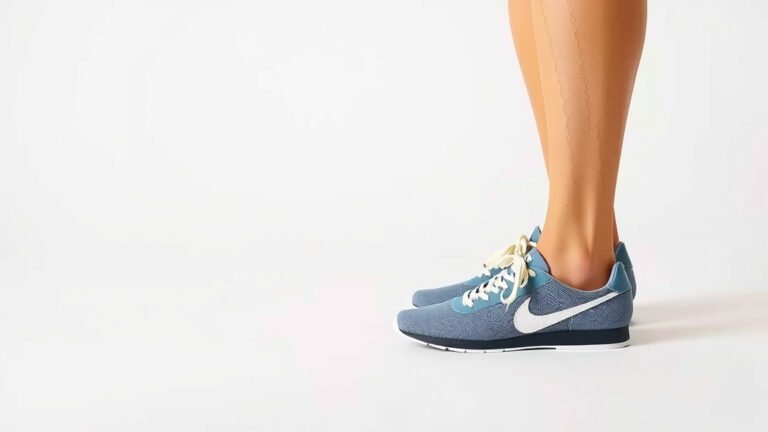
Nike is often cited as running true to size for many people. However, they can sometimes feel a bit slimmer in the midfoot and toe box compared to other brands. If you have wider feet, you might need to go up a half size or look for their ‘wide’ options, which aren’t always available in every model.
Adidas: Generally Consistent, but Check Specific Models
Adidas tends to be fairly consistent across their running shoe lines. Many runners find their sizing reliable. However, like Nike, some models might have a slightly narrower fit. We’ve found that comparing specific models within Adidas is often more helpful than generalizing across the entire brand.
Brooks: Known for a Reliable, Roomier Fit
Brooks consistently gets praise for its sizing and fit. They often provide a bit more room in the forefoot, which many runners appreciate. They also offer a good range of widths. If you struggle with shoes feeling too tight, Brooks is often a great brand to start with. Many experts agree their fit is geared towards comfort for a wide variety of foot shapes (American College of Sports Medicine).
Hoka: Can Run Long or Narrow
Hoka is famous for its maximalist cushioning, but some runners find their shoes can run a bit long. It’s also possible they can feel narrower than you expect, especially in the toe box. Always check your toe room carefully with Hoka. Going up a half size might be necessary for some, while others find their standard size works well if they’re mindful of the length.
New Balance: Offers a Wide Range of Widths
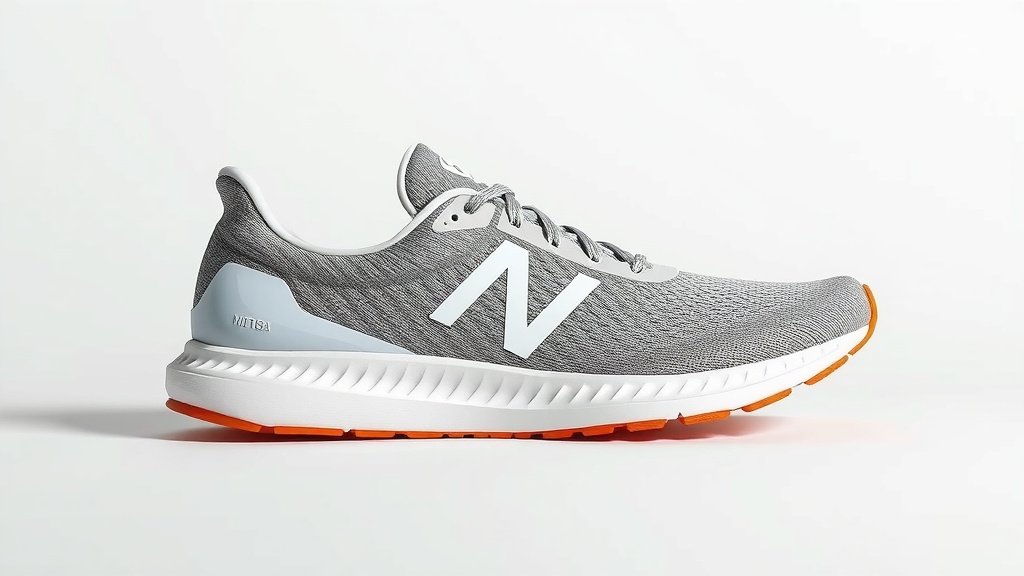
New Balance excels in offering a broad spectrum of widths, from extra-narrow to extra-wide. Their sizing is generally considered reliable. If you have very narrow or very wide feet, New Balance is often a go-to brand because of their extensive width options. You can usually find your perfect fit here.
How to Find Your Perfect Fit: A Practical Checklist
Don’t let inconsistent sizing discourage you. With a few smart strategies, you can find the right pair every time.
- Always check the brand’s specific size chart online. Don’t rely on your typical shoe size.
- Measure your feet. Use a Brannock device at a shoe store or trace your foot on paper at home.
- Try shoes on at the end of the day. Your feet swell throughout the day, mimicking how they’ll be when running.
- Wear your running socks. The thickness of your socks can significantly impact the fit.
- Walk and jog in the store. Get a feel for how the shoe moves with your foot.
- Don’t be afraid to size up or down. A half-size difference is common and often necessary.
Using Size Charts Effectively
Size charts are your best friend when shopping online. They typically show the shoe size, followed by the in-shoe measurement in centimeters or inches. This is much more reliable than just looking at the US size number. You can measure your foot and then compare it directly to the chart. Many brands also offer a “fit finder” tool on their website to help guide you based on your needs.
| Brand | General Sizing Tendency | Width Notes |
|---|---|---|
| Nike | True to size, can be slimmer | Limited wide options |
| Adidas | Consistent, can be slightly slim | Some models available in wide |
| Brooks | Reliable, often roomier forefoot | Good range of widths |
| Hoka | Can run long, potentially narrow toe box | Standard width usually |
| New Balance | Reliable sizing | Excellent range of widths (Narrow to X-Wide) |
Conclusion
Navigating running shoe sizing across brands can feel challenging, but you now have the tools to find your perfect fit. Remember that each brand uses different molds, leading to variations in length and width. Your go-to size in one brand might not be the same in another. By understanding common brand tendencies and utilizing smart strategies like checking size charts and trying shoes on properly, you can confidently choose footwear that supports your runs.
Your next step is to measure your feet and consult the specific size charts for any brand you’re considering. Happy running!
Frequently Asked Questions
Do running shoes really fit that differently between brands?
Yes, they absolutely can. Brands use different foot molds, called lasts, which affect the overall shape and volume of the shoe. This means a size 9 in Nike might feel longer or shorter, wider or narrower, than a size 9 in Brooks.
Is it okay if my running shoes feel slightly snug at first?
It’s generally best to avoid snug running shoes. Your feet swell during a run, and you need about a thumb’s width of space between your longest toe and the end of the shoe. A shoe that feels just right when you try it on might feel too tight after a mile.
How do I use a brand’s size chart effectively?
Don’t just look at the US size number. Size charts usually include measurements in inches or centimeters for the in-shoe length. Measure your foot from heel to longest toe and compare that measurement directly to the brand’s chart for the most accurate sizing.
What’s the best time of day to try on running shoes?
You should try on running shoes at the end of the day. Your feet naturally swell throughout the day, and this swelling is similar to how they’ll feel when you’re running. Trying them on later ensures you’re getting a fit that accounts for that expansion.
Can I just assume a ‘wide’ shoe from one brand is the same as a ‘wide’ from another?
Not always. While brands have designations for width (like ‘B’ for standard women’s, ‘D’ for standard men’s, and ‘2E’ or ‘4E’ for wider), the actual width can still vary slightly between brands. Always check reviews or try them on if width is a concern.