Your Marathon Shoe Selection Guide
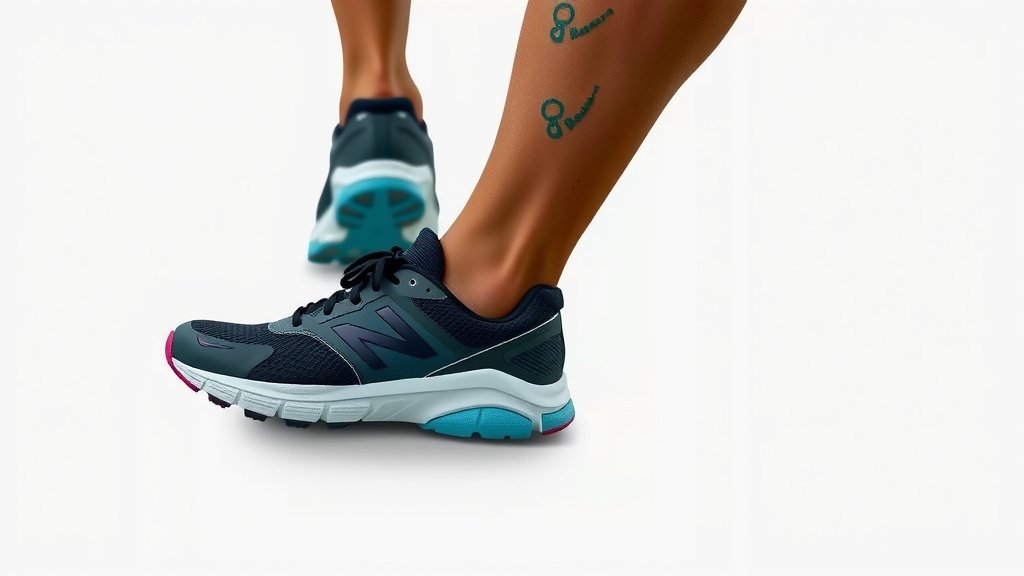
Finding the right marathon shoes can make a world of difference in your race. The best marathon shoes offer a blend of Choosing the right marathon racing shoe is about finding a balance between cushioning and responsiveness.cushioning, support, and responsiveness to help you go the distance comfortably. We found that focusing on your foot type and running style is key to selecting a pair that won’t leave your feet aching.
Picking the perfect pair isn’t just about looks. It’s about ensuring your feet are protected from impact and your stride is efficient mile after mile. Many runners overlook the importance of shoe weight and fit, which can drastically affect performance and prevent injuries.
- Match shoes to your foot type (pronation).
- Consider cushioning needs for long distances.
- Prioritize a comfortable and secure fit.
- Think about shoe weight and breathability.
- Don’t forget the outsole for traction.
Ready to find your sole mate for the marathon? Let’s walk through exactly how to pick the best marathon shoes for your needs.
“`htmlChoosing Your Marathon Running Shoes
Selecting the right marathon shoes is more than just a preference. It’s a critical decision for comfort and injury prevention over 26.2 miles. You want a shoe that feels like an extension of your foot. It should handle the pounding of the pavement for hours on end. We’ve researched what makes a marathon shoe great.
Understanding Your Foot Type and Pronation
Your foot’s natural rolling motion, called pronation, is key. It affects how your foot lands and absorbs shock. Knowing your pronation type helps you find shoes that offer the right stability.
Neutral Pronation
If your foot rolls inward just enough, you likely have neutral pronation. Your arch typically lands on the outside of the heel. Then it rolls inward to absorb shock. For neutral pronators, shoes offering good cushioning and flexibility are usually best. You don’t need extra stability features.
Overpronation
Overpronation occurs when your foot rolls inward excessively. The arch collapses. This can put stress on your ankles and knees. If you have flat feet, you might be an overpronator. Shoes with stability or motion control features can help. They guide your foot for a more even stride.
Supination (Underpronation)
Supination means your foot doesn’t roll inward enough. Your heel strikes the ground. It stays on the outside. This can lead to impact shock traveling up your leg. Runners who supinate often benefit from highly cushioned shoes. These shoes offer shock absorption. They also tend to be more flexible.
How can you figure out your pronation type? A simple wet foot test can help. Wet your feet and step onto a paper bag or dark paper. Look at your footprint. A high arch shape often means supination. A full foot imprint suggests overpronation. A normal arch shape typically indicates neutral pronation. Many specialty running stores also offer gait analysis.
The Importance of Cushioning for Marathons
Marathons are long. Very long. Your feet will take a beating. The right amount of cushioning is vital. It acts like a shock absorber. This protects your feet, joints, and muscles from repetitive impact. Too little cushioning can lead to soreness and fatigue. Too much might feel sluggish.
You’ll find shoes with varying levels of cushioning. Some are minimalist, offering very little. Others are plush, feeling like clouds for your feet. For a marathon, most runners find a medium to high level of cushioning to be ideal. This provides a balance of comfort and responsiveness. It helps prevent that “beat-up” feeling by mile 20.
Fit and Feel: Your Most Important Metrics
Even the most technologically advanced shoe is useless if it doesn’t fit well. A proper fit prevents blisters, hot spots, and black toenails. This is probably the most personal aspect of shoe selection.
The Right Size
Your feet swell during long runs. Always try on shoes later in the day. Wear the type of socks you’ll use for your marathon. There should be about a thumb’s width of space between your longest toe and the front of the shoe. This allows for swelling. Your heel should feel snug and secure, not slipping.
Width and Volume
Shoes come in different widths. Make sure the shoe isn’t too tight across the ball of your foot. You shouldn’t feel any pinching. The shoe’s volume should also match your foot. If you have a high instep, you might need more room over the top. If you have a low-volume foot, a less accommodating shoe might work.
Trying Them Out
Don’t just stand in the shoes. Jog around the store or on a treadmill. How do they feel? Are there any areas that rub? Do they feel supportive where you need it? Trust your gut feeling. If they don’t feel good in the store, they won’t feel good at mile 22.
Weight and Responsiveness: Finding Your Speed
Marathon shoes have evolved. Many now offer a great blend of cushioning and responsiveness. Responsiveness refers to how well a shoe springs back. It gives energy return with each step. This can help you feel faster and more efficient.
Lighter shoes generally feel faster. However, they often have less cushioning. This might not be ideal for every marathoner. We found that many modern marathon shoes are surprisingly light. They still offer ample cushioning. Look for shoes that feel light enough for you to pick up the pace. But also feel protective for the long haul.
Outsole: Grip and Durability
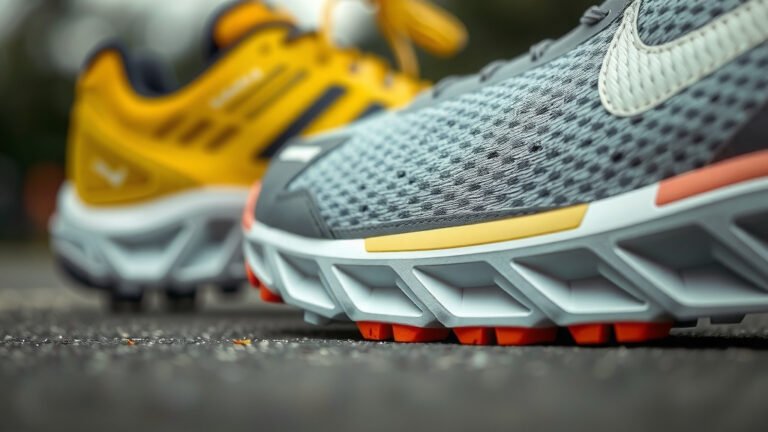
The outsole is the bottom part of your shoe. It provides traction. For road marathons, you want an outsole that grips well on dry and wet pavement. Most running shoes use rubber for durability and grip. Some racing flats might have less rubber to save weight.
Consider the typical weather conditions where you’ll be running your marathon. If rain is common, a grippier outsole might be beneficial. The durability of the outsole also matters. You want it to last through your training and the race itself. Look for shoes with good wear patterns. They should still have plenty of tread left after a few hundred miles.
Your Marathon Shoe Checklist
Before you commit, run through this quick checklist:
- Does it match my pronation type?
- Is there enough cushioning for 26.2 miles?
- Does it fit comfortably with no rubbing or pinching?
- Is there space for my foot to swell?
- Does it feel responsive and energetic?
- Is the outsole offering good traction?
The Break-In Period: Don’t Skip This Step!
Once you find your perfect pair, don’t wear them for the first time on race day. This is a recipe for disaster. You need to break them in gradually.
Start with a few short runs. Then move to some medium-distance runs. Gradually increase the mileage. This allows your feet to adapt to the shoe. It also lets the shoe mold to your foot. Many experts recommend putting at least 50-100 miles on a shoe before a marathon. This ensures they are ready for the big day.
“`
Conclusion
Choosing the right marathon shoes is a personal journey. You’ve learned how your foot type and pronation play a big role. Remember to prioritize cushioning for long-distance comfort and a secure, proper fit. Don’t overlook shoe weight or outsole grip. These factors contribute to a better race-day experience.
Take the information here and apply it to your next shoe shopping trip. Visit a specialty running store if you can. Trust your feet and find the pair that will help you conquer those 26.2 miles with confidence.
Frequently Asked Questions
How do I know if I need stability shoes for my marathon?
If your foot rolls inward excessively (overpronation), stability shoes can help. This often happens with flat feet. A gait analysis at a running store can confirm this. Stability shoes guide your foot for a more even stride.
Can I use my regular running shoes for a marathon?
Yes, if they are well-cushioned and fit properly. However, marathon-specific shoes often have enhanced cushioning and durability. They are designed for the prolonged stress of 26.2 miles. Ensure your current shoes have at least 50-100 miles of break-in time.
How much space should I leave in my marathon shoes?
You need about a thumb’s width of space between your longest toe and the shoe’s front. Your feet swell during long runs. This extra room prevents discomfort, blisters, and black toenails. Always try shoes on later in the day.
What is the difference between cushioning and responsiveness in marathon shoes?
Cushioning absorbs impact, protecting your feet and joints. Responsiveness refers to how a shoe returns energy with each step. Marathon shoes aim for a balance. You want comfort from cushioning and a springy feel from responsiveness.
How many miles should I put on new marathon shoes before the race?
It’s recommended to put at least 50 to 100 miles on new marathon shoes before race day. This break-in period allows the shoes to mold to your feet. It also helps prevent blisters and ensures they feel comfortable for the entire distance.