Wrong Shoes: How Footwear Choice Leads to Injury
Yes, wearing the wrong shoes can absolutely lead to injury. Your footwear plays a massive role in supporting your body, and when it doesn’t fit right or offer the right kind of support, it can throw your entire alignment off. This often starts with small pains that can grow into much bigger problems if you don’t pay attention.
From the soles on your feet, imbalances can travel up your legs and into your back. We found that poor shoe choices are often linked to common issues like plantar fasciitis and painful knee problems. It’s not just about comfort; it’s about preventing physical harm and keeping you moving without pain.
TL;DR:
- Wrong shoes can cause injuries like plantar fasciitis.
- Poor footwear affects your body’s alignment.
- Supportive shoes are key to preventing pain.
- Listen to your feet; they’ll tell you if something’s wrong.
Let’s walk through exactly how wearing the wrong shoes can lead to different types of injuries and what you can do to protect your feet and body.
How the Wrong Footwear Can Lead to Pain and Injury
Your feet are the foundation for your entire body. They absorb shock and provide balance with every step. When you wear shoes that don’t fit or support you properly, it’s like building a house on a wobbly foundation. This imbalance can travel up your legs and cause problems all the way to your back. We found that many common aches and pains start right at your feet.
Think of your shoes as essential tools for movement. They protect your feet, yes, but their main job is to work *with* your body. When shoes are too tight, too loose, lack cushioning, or offer the wrong kind of arch support, they can force your feet and body into unnatural positions. We’ve seen this lead to everything from minor blisters to more serious stress fractures. Listening to your body is key; it will often tell you when your shoes aren’t working for you.
Foot Pain: The Most Obvious Warning Sign
The most common and immediate consequence of wearing the wrong shoes is foot pain. This might start as a dull ache after a long day, or a sharp twinge when you walk. Your feet have a lot of bones, muscles, and nerves that are sensitive to pressure and strain.
Blisters and Calluses: Surface-Level Issues
These are usually the first signs that something is wrong. Ill-fitting shoes can cause friction. This friction can lead to blisters, which are fluid-filled pockets that form between layers of skin. If the friction continues, your skin might thicken to protect itself, forming calluses. While calluses can be harmless, persistent ones can become painful and even crack.
Arch and Heel Pain: The Strain on Soft Tissues
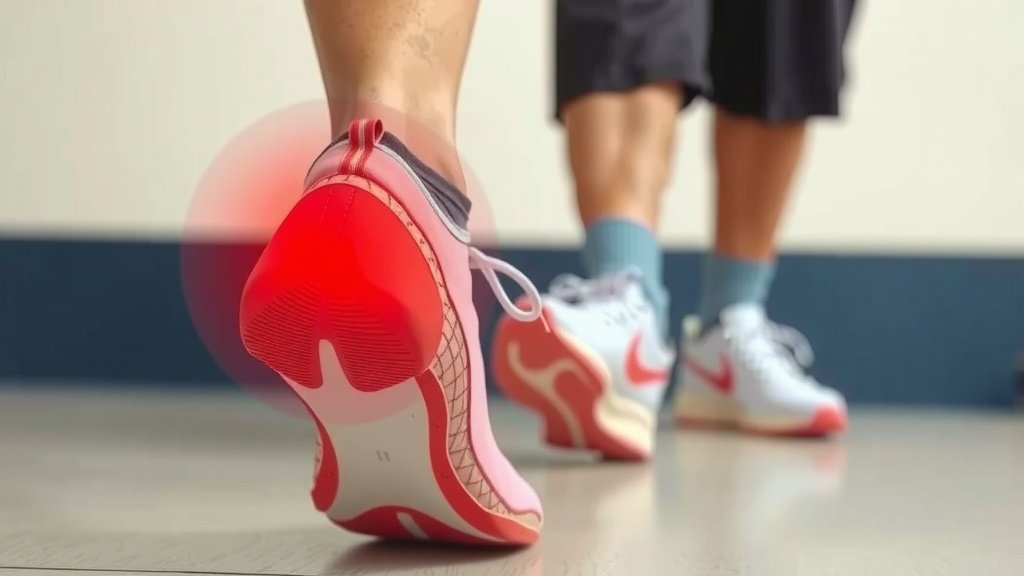
Many foot injuries stem from problems with the soft tissues, like ligaments and tendons. The plantar fascia is a thick band of tissue that runs from your heel to your toes. It supports your arch. When shoes don’t provide adequate arch support, this band can get stretched too much. We found that this is a major cause of Proper arch support is crucial for preventing issues like plantar fasciitis, and the best insole for running can help.plantar fasciitis, a condition causing sharp heel pain, especially in the morning (Cleveland Clinic).
Shoes with worn-out cushioning also fail to absorb impact. This means more shock travels directly to your heel bone and the surrounding tissues. Over time, this constant pounding can inflame the plantar fascia or lead to heel spurs. You might feel the pain most intensely when you first get out of bed or after periods of rest.
The Domino Effect: How Foot Problems Travel Up Your Body
Your feet are your body’s anchor. If they’re not aligned correctly due to your shoes, the rest of your body has to compensate. This compensation can create problems in your ankles, knees, hips, and even your back. It’s a chain reaction that starts from the ground up.
Ankle and Shin Splints: Misalignment and Overuse
When shoes offer poor support or don’t fit your foot’s natural shape, your gait can change. You might start to roll your ankles inward (overpronation) or outward (supination). This can put extra strain on your ankle ligaments. It can also lead to Changes in gait, like overpronation or supination due to poor shoe support, can lead to shin splints, and foot strike affects shoe choice.shin splints, which are painful inflammation of the muscles and tissues along your shinbone. We found research linking improper footwear to increased risk of ankle sprains and shin pain.
Knee Pain: Altered Biomechanics
Your knees are designed to absorb shock and support your body’s weight. When your feet aren’t absorbing impact properly due to faulty shoes, your knees have to work harder. This can lead to anterior knee pain, often felt behind or around the kneecap. Shoes that are too flat or lack cushioning can contribute to this by not controlling the motion of your foot as you walk or run.
Consider a shoe that doesn’t support your arch well. This might cause your foot to flatten excessively. This flattening can cause your leg to rotate slightly inward, which in turn puts stress on your knee joint. Many experts say that correcting foot alignment with proper shoes can often help alleviate knee pain (Mayo Clinic).
Hip and Back Issues: The Wider Impact
If your feet are out of alignment, your hips and spine will try to correct for the imbalance. This can cause your pelvis to tilt incorrectly. Over time, this can lead to lower back pain and even hip pain. It’s like trying to stand straight on an uneven surface; your whole body has to adjust.
We found that wearing shoes with significantly different heel heights or poor stability can also disrupt your natural posture. This constant strain on your muscles and joints can lead to chronic pain in your hips and back. It’s surprising how much your lower body alignment can be affected by something as simple as your footwear.
Common Shoe Mistakes That Lead to Trouble
It’s easy to make mistakes when choosing shoes, especially with so many options out there. Understanding these common pitfalls can help you avoid them.
Ignoring the Fit: Too Tight, Too Loose, or Just Wrong
This is perhaps the most common mistake. Shoes that are too narrow can pinch nerves and blood vessels, leading to numbness or pain. Shoes that are too big allow your foot to slide around, causing friction and blisters. Even shoes that seem to fit might lack the right shape for your foot type. We found that a shoe should feel comfortable from the moment you try it on, with no “breaking in” period needed for pain relief.
Lack of Support: Flat Soles and Worn-Out Cushioning
Many stylish shoes, like some flats or fashion sneakers, offer minimal support. They might look good, but they don’t protect your feet from impact. Similarly, athletic shoes lose their cushioning over time. Even if they still look fine, the shock absorption capacity diminishes. We recommend replacing athletic shoes every 300-500 miles or when you start to feel a difference in support.
Wrong Shoe for the Activity: A Mismatch in Purpose
Wearing running shoes for weightlifting, or casual sneakers for a long hike, is a recipe for disaster. Each activity has different demands on your feet. Running requires excellent cushioning and flexibility. Weightlifting needs a stable, flat sole for balance. Hiking demands ankle support and durable traction. Using the wrong type of shoe means you’re not getting the specific support you need for that activity, increasing injury risk.
Checklist: Are Your Shoes Sabotaging You?
Take a moment to assess your current footwear. Does your favorite pair pass these simple tests?
- Do your shoes feel comfortable immediately, with no rubbing or pinching?
- Do they provide adequate cushioning for the surfaces you typically walk or run on?
- Do they support your arch without feeling too tight or constricting?
- Are the soles still firm and the cushioning hasn’t flattened out?
- Are they the right type of shoe for your main activities (e.g., running shoes for running)?
- Do you notice any aches or pains after wearing them for a while?
Conclusion
Your shoes are more than just fashion; they are your body’s foundation. We’ve seen how wearing the wrong footwear can lead to pain, from your feet all the way up to your back. Issues like plantar fasciitis, shin splints, and knee pain often start with a simple misstep in shoe choice. By understanding how fit, support, and purpose matter, you can protect yourself from injury. Take a moment to check your shoes today and choose wisely for a pain-free tomorrow.
Frequently Asked Questions
How often should I replace my athletic shoes?
You should aim to replace athletic shoes every 300-500 miles of use, or about every six months if you wear them regularly. We found that the cushioning and support in shoes wear down over time, even if they still look okay. Pay attention to how they feel; if they start to feel less supportive, it’s likely time for a new pair.
Can my shoes cause back pain?
Yes, your shoes can absolutely contribute to back pain. When your shoes don’t provide proper foot alignment and support, your entire body has to compensate. This compensation can lead to imbalances in your hips and spine, resulting in lower back discomfort. We’ve found that correcting foot alignment with the right shoes can often help alleviate back issues.
What’s the difference between a shoe that’s too tight and one that’s too loose?
A shoe that’s too tight can pinch nerves and restrict blood flow, causing numbness and pain. On the other hand, a shoe that’s too loose allows your foot to slide around inside. This movement causes friction, leading to blisters and calluses. Both extremes prevent your foot from functioning naturally and can lead to injuries.
Are ‘breaking in’ periods for new shoes always necessary?
Generally, new shoes should feel comfortable from the start. While some materials might soften slightly, you shouldn’t experience significant pain or discomfort that requires a “breaking in” period. We recommend avoiding shoes that pinch or rub heavily when you first try them on, as this often indicates a poor fit that could lead to problems.
How do I know if my shoe’s arch support is wrong for me?
If your shoes have arch support that’s too high or too low for your foot’s natural arch, you might feel discomfort or strain. You could experience arch pain, heel pain, or even notice that your foot feels unstable. Research shows that your arch should feel comfortably supported, not forced into an unnatural position. If you’re unsure, consulting a footwear specialist can be very helpful.