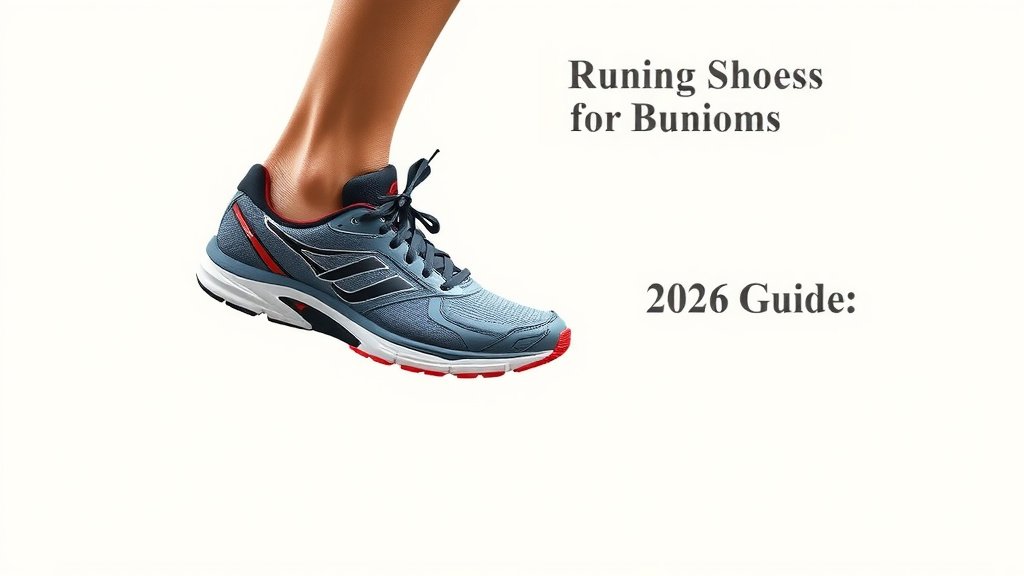
Best Running Shoes for Bunions: A 2026 Guide
Choosing the right running shoes for bunions means focusing on wide toe boxes and plenty of cushioning. You need shoes that offer ample room for your toes to spread naturally. This helps prevent painful rubbing and pressure on your bunion. Look for options with a flexible sole that bends with your foot. This reduces stress on the forefoot.
Finding the perfect running shoe can feel like a marathon in itself. When you have bunions, it’s even more important to get it right. We found that the best shoes provide a supportive yet gentle feel. They should accommodate your foot’s unique shape without causing irritation. Proper footwear can make a huge difference in your running comfort.
- Look for a wide toe box.
- Prioritize plenty of cushioning.
- Ensure a flexible sole.
- Consider shoes with a neutral support structure.
- Try shoes on at the end of the day.
Let’s walk through exactly how to pick running shoes that will keep your feet happy, even with bunions.
Finding the Right Running Shoes with Bunions
Choosing running shoes when you have bunions might seem like a puzzle. But with the right knowledge, you can find footwear that makes running feel great again. We’ve researched what matters most for comfort and support. The key is finding shoes that work with your foot, not against it.
Understanding Your Bunion Needs in Footwear
A bunion is a bony bump that forms on the joint at the base of your big toe. This can cause your big toe to point towards your second toe. When you run, this joint experiences a lot of pressure and movement. Poorly fitting shoes can aggravate the bunion, leading to pain, swelling, and even affecting your gait.
Why Shoe Fit is Non-Negotiable
Many experts stress that a proper fit is the first step to comfortable running, especially with bunions. The wrong shoe can squeeze your toes and the sensitive bunion area. This can lead to blisters, corns, and increased pain. We found that prioritizing space for your forefoot is essential for preventing irritation.
The Role of Toe Box Space
The toe box is the front part of the shoe that covers your toes. For bunions, a wide toe box is non-negotiable. It needs to be deep and wide enough so your toes can splay naturally. Think of it like giving your toes room to breathe and move freely. Many standard shoes are too narrow. They force your toes into an unnatural position, which can worsen bunion pain.
What to Look For in a Toe Box
- Shape: Opt for a shoe with a rounded or anatomical toe box shape. Avoid pointed or tapered designs.
- Volume: Ensure there’s enough vertical space so your toes aren’t crammed against the top of the shoe.
- Width: Look for shoes specifically labeled as “wide” or “extra-wide” if needed.
Cushioning: Your Bunion’s Best Friend
Bunions can make the ball of your foot more sensitive. Running involves impact with every step. Adequate cushioning acts like a shock absorber. It helps to reduce the stress on your forefoot and the bunion joint. We found that shoes with ample cushioning provide a softer landing. This can make a significant difference in your running experience.
Types of Cushioning to Consider
Different shoes use various cushioning technologies. Some offer a plush, soft feel, while others provide a more responsive, springy sensation. For bunions, a balance is often best. You want enough softness to absorb impact but not so much that the shoe feels unstable or lacks responsiveness.
Sole Flexibility: Moving with You
A shoe’s sole needs to be flexible enough to bend with your foot’s natural motion. When you run, your foot flexes at the ball of your foot. A stiff sole can force your foot into an unnatural position. This can put extra strain on your bunion. We found that a shoe that bends easily where your foot naturally bends is ideal.
Testing Sole Flexibility
You can test this by holding the shoe in both hands and trying to bend it. It should bend easily at the ball of the foot area. It shouldn’t feel like a rigid board. This flexibility helps prevent unnecessary pressure points on your bunion during your stride.
Support and Stability for Your Runs
While you need cushioning, you also need the right kind of support. Bunions can sometimes affect your foot’s alignment. This is where understanding shoe support types comes in. Many runners with bunions find that neutral shoes work well for them. However, some might benefit from a bit more stability.
Neutral vs. Stability Shoes
Neutral shoes are designed for runners with a relatively normal arch and foot strike. They don’t include motion control features. They offer cushioning and flexibility. Stability shoes are for runners who overpronate (their foot rolls inward excessively). They have features like guide rails or denser foam on the medial side to help control this motion. For bunions, we found that starting with a neutral shoe is often best. If you have specific alignment concerns, consult a specialist.
The Importance of a Good Midsole
The midsole is where most of the cushioning and support technology resides. Many shoe manufacturers use proprietary foams. Research and reviews often point to brands known for their comfortable and durable midsoles. Look for shoes that offer a smooth transition from heel to toe.
Materials and Construction Considerations
Beyond fit and cushioning, the actual materials of the shoe play a role. You want materials that are breathable and won’t rub your foot the wrong way.
Upper Material and Seams
The upper part of the shoe encases your foot. Look for shoes made with soft, flexible, and seamless materials. Any internal seams that rub against your bunion can cause irritation. Mesh uppers are usually a good choice as they offer breathability. They also tend to be more forgiving than stiff synthetic overlays.
Avoiding Friction Points
Pay close attention to how the shoe feels around the bunion area. Some shoes have overlays or stitching that could press on the bump. A well-constructed shoe will minimize these potential friction points. Many podiatrists suggest looking for shoes with a knit or sock-like upper for a softer feel.
Trying On Shoes: The Ultimate Test
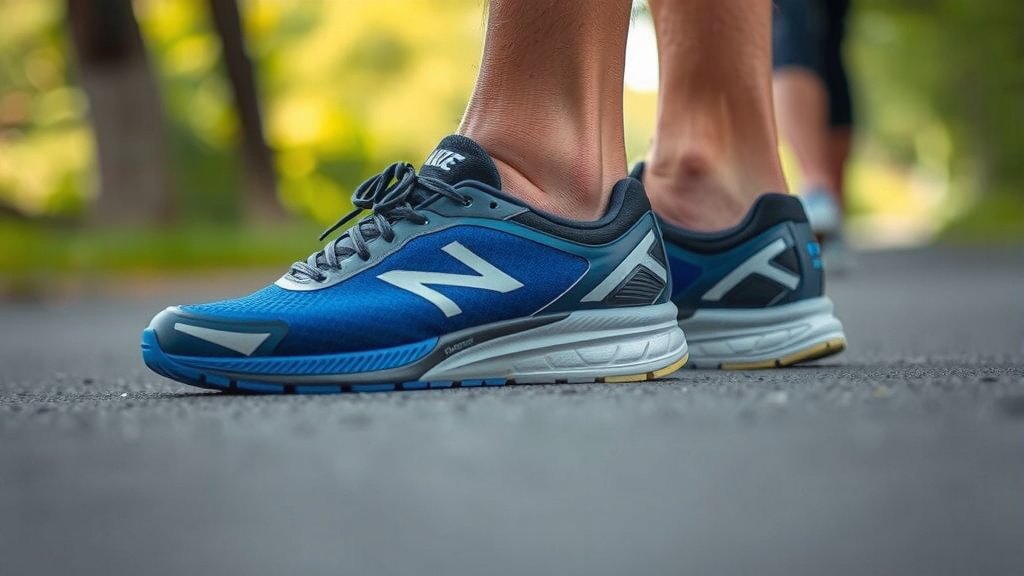
You’ve heard it before, but trying on shoes is critical. For bunions, it’s even more so. What feels right on the shelf might not feel right when you’re moving.
When to Shop for Shoes
We found that the best time to try on running shoes is at the end of the day. Your feet naturally swell throughout the day. This swelling is often more pronounced if you’ve been on your feet a lot. Trying shoes on when your feet are at their largest helps ensure they won’t feel too tight during your run.
What to Do When Trying Them On
- Wear your running socks: Always try on shoes with the type of socks you’ll wear when running.
- Walk and jog: Don’t just stand there. Walk around the store and do a short jog if possible.
- Check for pressure: Pay attention to any pinching or rubbing, especially around the bunion area.
- Lace them up properly: Ensure they are tied comfortably but securely.
Expert Advice and Your Next Steps
If you have significant bunion pain or concerns about your foot mechanics, consulting a podiatrist is a wise move. They can assess your feet and provide personalized recommendations. They might suggest specific shoe features or even custom orthotics. Many sources, like the American Podiatric Medical Association, highlight the benefit of professional advice.
Quick Checklist for Bunion-Friendly Running Shoes
- Wide, deep toe box for toe splay.
- Generous cushioning to absorb impact.
- Flexible sole that bends with your foot.
- Seamless or soft upper material.
- Try on at the end of the day.
- Consider neutral support unless advised otherwise.
Conclusion
You’ve learned that finding the right running shoes with bunions is all about prioritizing comfort and protection. Remember to look for a wide, deep toe box so your toes can splay freely. Plenty of cushioning will absorb impact, and a flexible sole will move naturally with your foot. Don’t forget to try shoes on at the end of the day with your running socks. Taking these steps helps ensure your runs are pain-free and enjoyable. Your next step is to head to a specialty running store and put these tips into practice!
Frequently Asked Questions
Can I still run if I have bunions?
Yes, you absolutely can! While bunions can cause discomfort, choosing the right running shoes is key. With proper footwear that offers ample toe room and cushioning, you can significantly reduce pain and enjoy your runs. It’s about managing the condition with smart choices.
Do I need to buy special shoes for bunions?
You don’t necessarily need “special bunion shoes,” but you do need running shoes designed with bunion needs in mind. This means prioritizing shoes with a wide toe box, sufficient cushioning, and a flexible sole. Many brands offer models that fit these criteria.
What’s the biggest mistake people with bunions make when buying running shoes?
The biggest mistake is often settling for shoes that are too narrow in the toe box. This squeezes the bunion and can worsen pain and irritation. Another common error is not trying shoes on properly, especially not at the end of the day when feet are most swollen.
How important is the material of the shoe upper for bunions?
The upper material is very important for bunions. You want soft, breathable, and seamless materials. Stiff overlays or rough seams can rub directly on your bunion, causing blisters and pain. A knit or sock-like upper often provides the best comfort.
Should I see a podiatrist before buying running shoes for my bunions?
It’s a great idea to consult a podiatrist if you have significant bunion pain or concerns about your foot mechanics. They can provide personalized advice on shoe features, orthotics, and exercises that can help you find the perfect running shoe for your specific needs.