Morton’s Neuroma Running Shoes: Your Guide
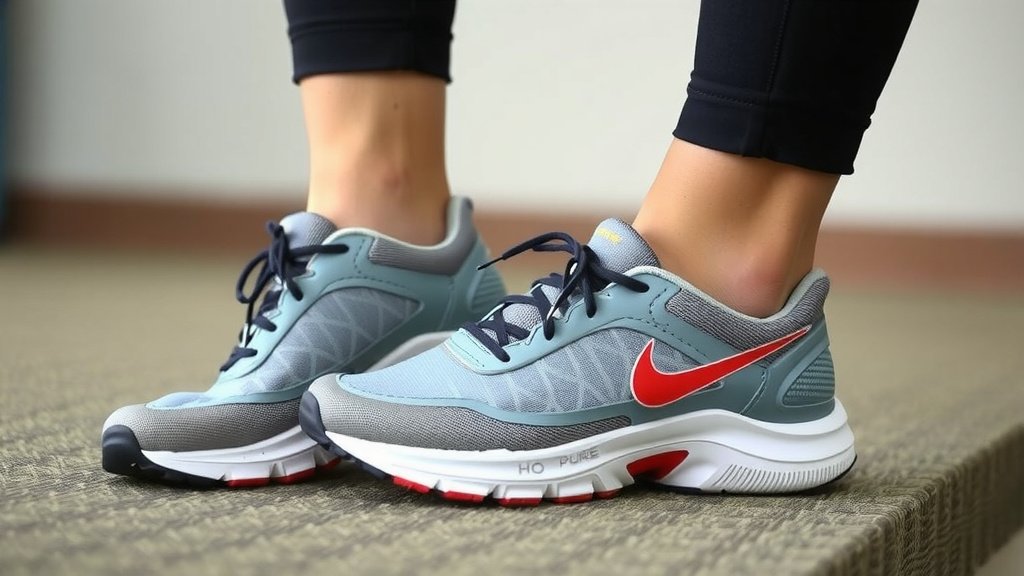
Choosing the right running shoes for Morton’s neuroma means focusing on comfort and support. You want shoes that offer a wide toe box and plenty of cushioning. This helps reduce pressure on the ball of your foot, where the neuroma usually forms. Finding shoes that feel good from the start is key to avoiding further irritation.
Morton’s neuroma can make running feel like you’re stepping on a pebble. The right footwear can make a huge difference in your comfort and ability to run. We looked at what experts and runners with this condition recommend to find shoes that provide relief and support during your miles. Getting the fit and feel right is super important.
- Look for a wide toe box to give your toes room.
- Prioritize excellent cushioning, especially in the forefoot.
- Consider shoes with a stiffer sole rather than a very flexible one.
- Ensure a secure midfoot and heel for stability.
- Try them on and walk around to feel for any pressure points.
Let’s dive into what makes a running shoe great for managing Morton’s neuroma so you can get back to enjoying your runs more comfortably.
Picking the Right Running Shoes for Morton’s Neuroma Relief
When you’re dealing with Morton’s neuroma, finding the perfect running shoe isn’t just about comfort; it’s about managing pain and protecting your foot. We’ve looked into what makes a running shoe work well for this condition, focusing on features that can make a real difference in your runs.
Understanding Your Foot’s Needs
Morton’s neuroma often feels like a sharp, burning pain or a sensation of a pebble in your shoe, usually between your third and fourth toes. The pain happens when the tissue around a nerve thickens. This can be triggered by tight shoes or high-impact activities. Choosing the right footwear can help reduce pressure and irritation on this sensitive area.
Key Shoe Features for Neuroma Support
When you’re shopping, keep these specific features in mind. They are designed to give your foot the best possible support and cushioning, which is vital for managing neuroma pain.
The Importance of a Wide Toe Box
This is perhaps the most critical feature. A shoe with a wide toe box prevents your toes from being squeezed together. When toes are cramped, it can put extra pressure on the nerves in your forefoot. We found that ample space allows your toes to splay naturally, reducing compression. Think of it like giving your toes their own little VIP lounge. This can significantly decrease irritation and discomfort during your runs.
Generous Cushioning for Impact Absorption
You’ll want shoes with plenty of cushioning, especially in the forefoot. This cushioning acts like a shock absorber with every step. It helps to soften the impact on the ball of your foot, where the neuroma is often located. Look for shoes that offer a plush, responsive feel. Some sources suggest that well-cushioned shoes can help distribute pressure more evenly across your foot, lessening the concentrated stress on the affected nerve (Cleveland Clinic).
Sole Flexibility and Stiffness
It might seem counterintuitive, but for Morton’s neuroma, a shoe that’s too flexible can sometimes be problematic. We found that a shoe with a slightly stiffer sole can offer better support. This stiffness can help prevent your foot from excessively bending or pronating, which might aggravate the neuroma. Instead of a shoe that bends easily in the middle, look for one that maintains its shape well and offers stable support through the arch and heel.
Secure Midfoot and Heel Fit
While the toe box needs to be roomy, the midfoot and heel should provide a secure, snug fit. This prevents your foot from sliding around inside the shoe, which can cause friction and further irritation. A good heel counter will hold your heel in place, and a supportive midfoot will help maintain proper foot alignment. You want your foot to feel locked in, but not constricted.
What to Look for When Trying Shoes On
Trying shoes on is your best defense against buying the wrong pair. Don’t just stand in them; do a proper try-on. You’re looking for a shoe that feels good right away. Don’t rely on a “break-in” period for pain relief.
The In-Store Test Run
Walk around the store. Better yet, if allowed, do a little jog in place or a short walk outside. Pay close attention to how your forefoot feels. Is there any pinching? Do you feel that familiar pebble sensation? If you feel any discomfort during this test, it’s a sign that the shoe likely isn’t the right fit for your neuroma. Trust your feet; they’ll tell you if something feels off.
Consider the Drop and Arch Support
The “drop” refers to the height difference between the heel and the forefoot of a shoe. Some people find that a lower drop can sometimes put more pressure on the forefoot, while a moderate drop might be more comfortable. Arch support is also key; while some prefer a neutral shoe, others with flatter feet might need more support to prevent excessive inward rolling. We’ve seen many runners find relief by adjusting these elements.
Types of Running Shoes to Consider
Different brands and models cater to various needs. Here’s a general idea of what to look for:
| Shoe Type | What to Look For | Why it Helps with Neuroma |
|---|---|---|
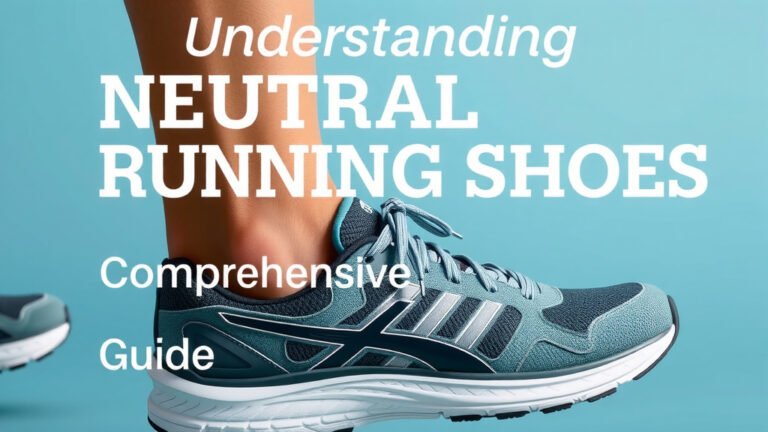
| Neutral Cushioned Shoes | Wide toe box, ample forefoot cushioning, moderate drop. | Reduces direct pressure and absorbs shock on the ball of the foot. |
| Stability Shoes | Good cushioning, a secure fit, and built-in support to guide the foot. | Helps control excessive pronation, which can sometimes worsen neuroma symptoms. |
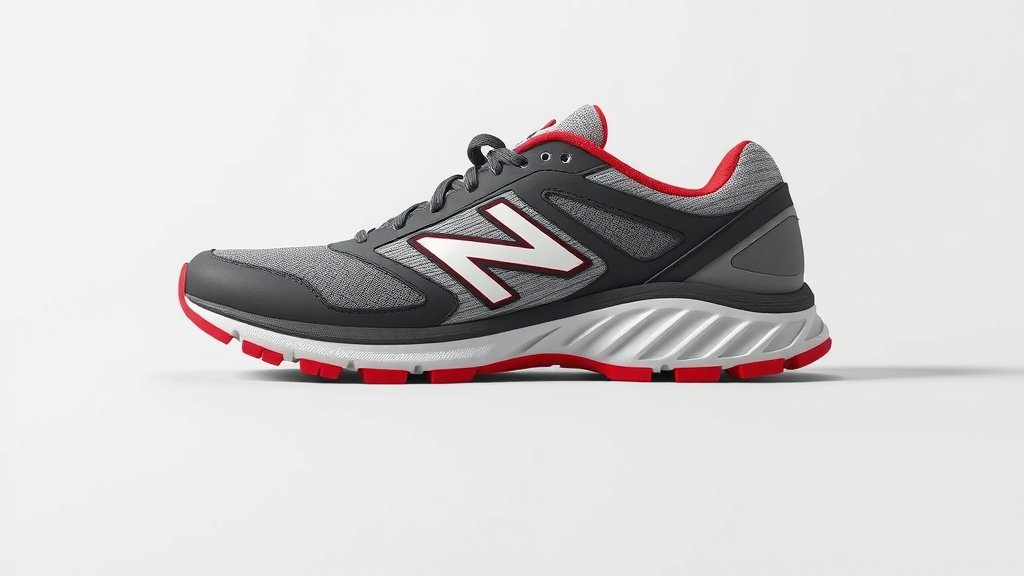
| Maximalist Shoes | Very thick midsoles for extreme cushioning. | Offers superior shock absorption and can create more space in the forefoot due to the stack height. |
It’s important to note that not all stability shoes will be right. You still need that wide toe box and forefoot cushioning. The goal is to find a shoe that offers a good blend of comfort, support, and pressure relief.
A Quick Checklist for Your Shoe Search
Before you head to the store, keep this handy list to help guide your choices:
- Wide Toe Box: Check if your toes have room to wiggle.
- Ample Cushioning: Feel for softness under the ball of your foot.
- Secure Fit: Ensure your heel and midfoot feel stable.
- Moderate Sole Stiffness: Avoid overly flexible shoes.
- No Forefoot Pressure: Make sure nothing rubs or pinches.
- Try Them On: Walk and jog to test the comfort.
Remember, every foot is unique. What works for one person might not work for another. The most important thing is to find shoes that reduce your pain and allow you to run comfortably.
Conclusion
Finding the right running shoes for Morton’s neuroma is about prioritizing your comfort and foot health. You’ve learned that a wide toe box and ample forefoot cushioning are your top priorities. These features work together to reduce pressure on the nerves. Remember to look for a shoe with a stable, supportive fit through the midfoot and heel. Don’t underestimate the power of trying shoes on and trusting how they feel. Your next step is to visit a reputable running store and apply these tips to find a pair that helps you run pain-free.
Frequently Asked Questions
Can I still run with Morton’s neuroma?
Yes, many people with Morton’s neuroma can continue running. The key is to manage the condition with proper footwear, rest, and potentially other treatments. Wearing the right shoes significantly reduces irritation, making running much more comfortable.
How do I know if a shoe has a wide enough toe box?
You should be able to wiggle your toes freely inside the shoe. There should be no pinching or pressure on the sides of your forefoot. When you stand, your toes should not be cramped together.
Should I look for shoes with a lot of arch support?
Arch support needs vary. Some people with Morton’s neuroma find relief with neutral shoes that offer good cushioning. Others may benefit from shoes with some arch support to help prevent excessive pronation, which can sometimes aggravate nerve pain.
Can I use my old running shoes if they have a wide toe box?
While a wide toe box is good, older shoes may lack sufficient cushioning and support. Worn-out shoes can contribute to discomfort and increase the risk of injury. It’s best to choose new shoes that meet all the criteria for neuroma support.
What is the “drop” of a running shoe, and does it matter for Morton’s neuroma?
The drop is the heel-to-toe height difference. Some runners find that a lower drop can increase forefoot pressure. A moderate drop (around 8-10mm) is often a good starting point, but personal preference and comfort are most important.