Can Shoes Actually Fix Flat Feet
Can shoes fix flat feet? While shoes can offer support and help manage symptoms, they can’t magically reshape your arches. The right footwear aims to provide comfort and improve alignment, but a permanent “fix” often requires more than just shoes.
Flat feet, or fallen arches, can affect how you walk and stand. Sometimes, they lead to aches and pains in your feet, ankles, or even knees. We’ve found that choosing shoes with good arch support and cushioning can make a big difference in how your feet feel throughout the day.
- Shoes offer support, not a cure for flat feet.
- Look for good arch support and cushioning.
- Proper footwear can ease pain and discomfort.
- Consult a professional for personalized advice.
Ready to learn more about how the right shoes can help you manage flat feet? Let’s walk through what to look for and why it matters.
Do Shoes Really Correct Flat Feet?
When you have flat feet, the arch on the inside of your foot collapses. Shoes can’t permanently change the structure of your foot. But they can offer significant support and comfort. Think of it like wearing glasses for your feet. Glasses don’t fix your eyesight, but they help you see better. Similarly, the right shoes help your feet function better and reduce strain.
We often hear people ask if a specific shoe can “cure” flat feet. The honest answer is no. Your foot’s arch is formed by bones, ligaments, and muscles. Shoes work by supporting these structures and guiding your foot into a more stable position as you walk or stand. This can ease discomfort and prevent issues like plantar fasciitis or shin splints (Cleveland Clinic).
What to Look For in Shoes for Flat Feet
Finding the right pair of shoes involves looking beyond just style. You need to consider how they’ll support your unique foot structure. We’ve found that focusing on a few key features makes a big difference.
Arch Support is Key
This might seem obvious, but good arch support is non-negotiable. It helps to fill the space where your natural arch is missing. This distributes pressure evenly across your foot. Without it, your foot can overpronate, meaning it rolls inward too much.
Types of Arch Support
You’ll find shoes with built-in arch support. These are often labeled as having “motion control” or “stability.” These shoes have firmer midsoles and often a supportive heel counter. Some shoes are designed to accommodate custom orthotics, which are special inserts you can buy or have made for your feet.
Cushioning Matters Too
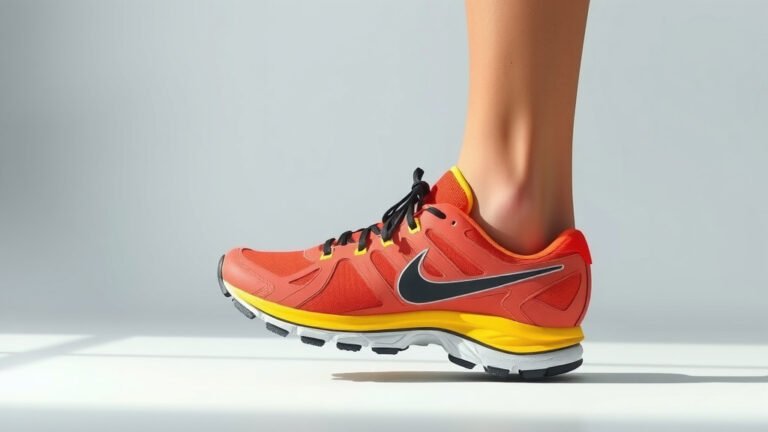
While support is vital, adequate cushioning is also important. Flat feet can sometimes mean less natural shock absorption. Good cushioning helps to absorb impact with every step. This can reduce stress on your feet, ankles, and knees. Look for shoes with responsive foam or gel inserts.
Heel Stability
A firm heel counter, the part of the shoe that wraps around your heel, provides stability. This helps to keep your heel in place and prevents excessive side-to-side motion. It contributes to better overall foot alignment. You want a heel that doesn’t collapse when you press on it.
Flexibility in the Right Place
You might think shoes should be super flexible. For flat feet, though, you want a shoe that bends primarily at the ball of your foot. It shouldn’t be too flexible in the mid-section where the arch would normally be. This controlled flexibility supports your gait cycle.
Shoe Types That Often Work Well
Certain types of shoes are designed with the needs of flat feet in mind. While individual fit is always important, these categories are a good starting point.
Running Shoes with Stability Features
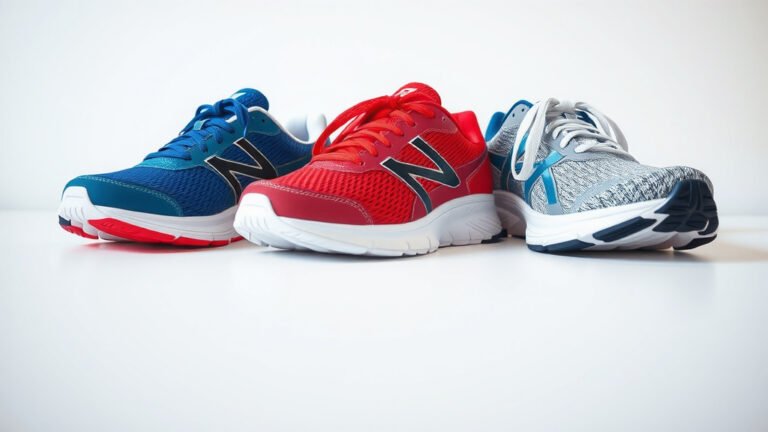
Many running shoes are engineered for specific foot types. Stability running shoes are often a great choice. They offer a blend of cushioning and support to help control overpronation. Many experts recommend these for daily wear, not just running (Mayo Clinic). Stability running shoes are often a great choice, offering a blend of cushioning and support to help control overpronation.
Walking Shoes with Arch Support
Dedicated walking shoes prioritize comfort and support for long periods of standing or walking. Look for models that specifically mention arch support and a well-cushioned sole. These are built for durability and comfort on pavement or trails.
Supportive Casual Shoes and Sneakers
Don’t forget your everyday shoes! Many brands now offer casual sneakers and walking shoes with excellent support. You can often find styles with removable insoles, making it easy to add your own orthotics if needed.
What to Avoid When Shopping for Shoes
Just as important as knowing what to look for is knowing what to steer clear of. Some shoe styles can actually make your flat feet feel worse.
Completely Flat Soles
Shoes with absolutely no arch support or cushioning are generally not recommended. This includes many ballet flats or thin-soled fashion sneakers. They offer no help in stabilizing your foot.
Excessive Flexibility (in the wrong places)
A shoe that bends easily in the middle, right where your arch should be, is a red flag. This type of shoe won’t provide the necessary structure to support your foot. You want the bend to happen at the toe box, not the arch.
Worn-Out Shoes
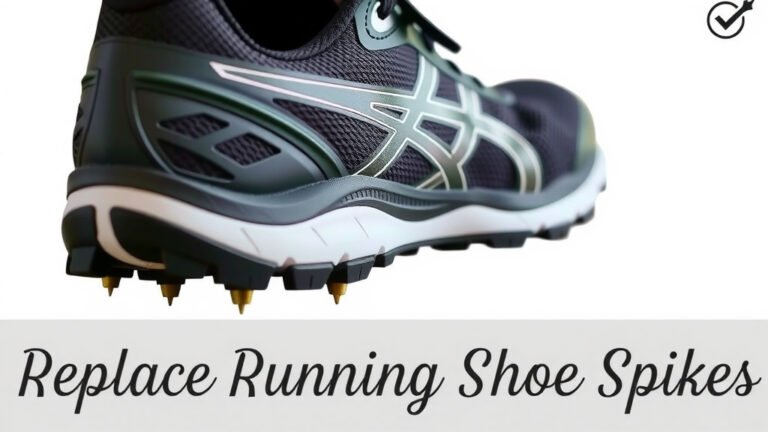
Even the best shoes lose their supportive qualities over time. If your shoes are old, the cushioning may be compressed, and the support structure might be degraded. We found that replacing athletic shoes every 300-500 miles or every year is a good practice.
When Shoes Aren’t Enough: Other Solutions
While shoes are a fantastic tool, sometimes you need more. If you’re experiencing persistent pain or discomfort, it’s wise to consult a professional. A podiatrist or physical therapist can offer personalized advice. They might suggest specific exercises or orthotic inserts designed for your feet.
Here’s a quick checklist to remember when shoe shopping:
- Check for a firm heel counter.
- Ensure good arch support.
- Look for adequate cushioning.
- The shoe should bend at the ball of the foot.
- Avoid shoes that are too flexible in the middle.
- Consider shoes that can accommodate orthotics.
Conclusion
As you’ve learned, shoes can’t fundamentally change the structure of your arches, but they are powerful allies in managing flat feet. By choosing footwear that offers excellent arch support, proper cushioning, and good heel stability, you can significantly improve your comfort and reduce foot, ankle, and knee pain. Remember to avoid shoes that are too flat or overly flexible in the mid-section. Your next step is to take this knowledge to the shoe store and find a pair that truly supports your feet, or consult with a podiatrist if pain persists.
Frequently Asked Questions
Can any shoe help with flat feet?
Not all shoes are created equal when it comes to flat feet. You’ll want to look for shoes specifically designed with support in mind. Shoes that offer good arch support, a stable heel, and ample cushioning are best.
Will shoes correct my flat feet over time?
Shoes provide support and can help manage symptoms, but they don’t permanently correct the physical structure of your foot. Think of them as aids to help your feet function better and feel more comfortable, rather than a cure.
How often should I replace shoes for flat feet?
It’s recommended to replace athletic shoes every 300-500 miles or about once a year, as their supportive and cushioning qualities degrade over time. Even casual supportive shoes can lose their effectiveness with consistent wear.
Can I wear orthotics with my current shoes?
Many supportive shoes, especially athletic and casual sneakers, come with removable insoles. This allows you to easily replace the original insole with custom orthotics or over-the-counter arch supports for enhanced stability and comfort. Many supportive shoes come with removable insoles, allowing you to add custom orthotics for enhanced stability.
When should I see a doctor for my flat feet?
If you experience persistent pain, swelling, or discomfort in your feet, ankles, or legs that isn’t relieved by supportive shoes, it’s a good idea to consult a podiatrist. They can diagnose the cause and recommend personalized treatment options beyond footwear.