Manage Overpronation: Best Shoes & Tips
Managing overpronation with the right shoes is totally doable! You can find footwear that provides excellent support and helps keep your feet aligned. Look for shoes with motion control features and a sturdy heel counter to help prevent excessive inward rolling.
Overpronation happens when your foot rolls inward too much after landing. This can sometimes lead to discomfort in your feet, ankles, or knees. Choosing supportive shoes is a key step in finding relief and improving your gait. Many brands now offer fantastic options designed for this.
- Look for shoes with motion control features.
- A sturdy heel counter is a must.
- Consider shoes with a wider base for stability.
- Don’t forget about the shoe’s arch support.
Let’s walk through exactly how to choose the best shoes to help manage your overpronation.
Choosing the Right Shoes for Overpronation
Finding the perfect pair of shoes can make a world of difference when you deal with overpronation. Your footwear acts as the foundation for your entire body. When that foundation is shaky, it can cause problems up the chain, from your ankles to your knees and even your back. The good news is, with the right shoe features, you can help stabilize your foot and reduce that inward rolling. It’s all about selecting shoes that offer the right kind of support and structure.
Understanding Your Foot Type: The First Step
Before you even start shopping, it’s smart to know your foot type. Many people with overpronation also have flat feet or low arches. This means the arch of your foot collapses easily. You can test this by doing a “wet test.” Wet the bottom of your foot and step onto a piece of paper or a dark surface. If you see almost the entire outline of your foot, you likely have low arches or flat feet, which often go hand-in-hand with overpronation.
Knowing this helps you zero in on shoes designed to support a flatter, more flexible arch. You’ll want shoes that don’t just cushion your step but actively help guide your foot into a more neutral position.
Key Shoe Features to Look For
When you’re looking at shoes, there are a few key things that signal they’ll be good for overpronation. Think of these as your checklist:
Motion Control: Your Foot’s Best Friend
This is a big one. Shoes with motion control are specifically built to limit excessive foot motion, especially that inward rolling. They often have firmer midsoles and a more rigid construction overall. This type of shoe is excellent for individuals who overpronate significantly.
The Sturdy Heel Counter: Keeping Things in Place
See that cup-like structure around the back of the shoe where your heel sits? That’s the heel counter. For overpronation, you want a sturdy, firm heel counter. This part of the shoe helps lock your heel into place and prevents it from wobbling side-to-side, which can contribute to inward rolling. Give the heel of the shoe a squeeze; it shouldn’t collapse easily.
Arch Support That Actually Supports
While shoes with motion control often have built-in arch support, it’s worth paying attention to. For overpronators, a supportive arch is crucial. It helps lift and support the collapsed arch. Some shoes offer different levels of arch support. You want one that feels like it’s gently but firmly holding up the arch of your foot without causing discomfort.
A Wider Base for Stability
Think about a tripod versus a single thin leg. A wider base offers more stability. The same applies to shoes. Shoes with a wider sole or base provide a more stable platform for your foot. This helps prevent your foot from rolling inward excessively, especially during the push-off phase of your stride.
Firm Midsole: The Backbone of Support
The midsole is the layer between the outsole (the part that touches the ground) and the upper part of the shoe. For overpronation, you want a midsole that is firmer and less flexible. This prevents your foot from sinking too deeply into the shoe and rolling inward. You can often test this by trying to twist the shoe; it should resist twisting more than a very flexible shoe.
When to Consider Orthotics
Sometimes, even the best shoes might not be enough on their own. This is where orthotics, also known as shoe inserts or arch supports, can be a game-changer. They are designed to provide extra support and alignment for your feet.
There are two main types:
- Over-the-counter orthotics: These are readily available in most shoe stores or pharmacies. They offer general support and can be a good starting point. We found that many people find relief with these basic inserts.
- Custom orthotics: These are made specifically for your feet by a podiatrist or other foot specialist. They are molded to your unique foot shape and address your specific overpronation issues. While more expensive, they offer the highest level of personalized support.
Many podiatrists recommend using orthotics in shoes that have good support to begin with. It’s like adding extra reinforcement to an already strong structure.
Shoe Categories and What to Look For
The type of shoe you need can depend on your activity.
Running Shoes for Overpronators
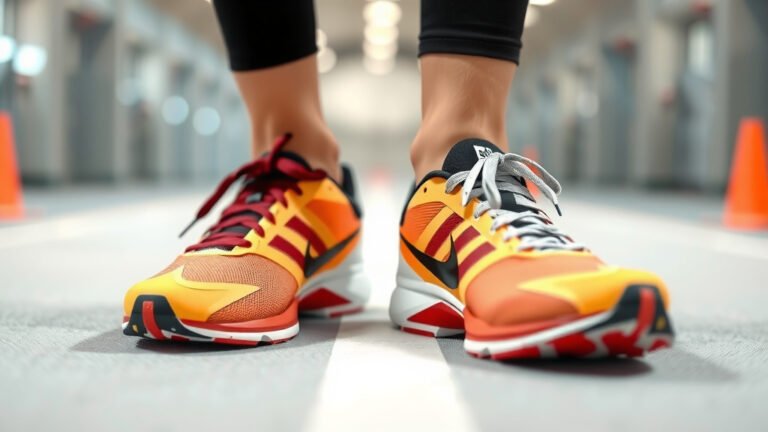
When choosing running shoes, look for terms like “stability” or “motion control.” These shoes are built with features to help control pronation. They often have denser foam on the medial (inner) side of the midsole. Many running shoe brands have specific models designed for this foot type. We’ve seen research suggesting these shoes can help reduce the stress on your joints during runs (NCBI).
Walking Shoes and Everyday Footwear
For daily wear, you don’t necessarily need a full-blown motion control running shoe unless your doctor recommends it. However, look for supportive walking shoes with a firm heel counter and good arch support. Even casual sneakers can offer this. Avoid overly soft, flexible shoes that let your foot roll inward too easily.
The Role of Shoe Fit
Beyond the features, a good fit is paramount. Your shoes should not be too tight or too loose. There should be about a thumb’s width of space between your longest toe and the end of the shoe. The width should be comfortable, with no pinching or excessive rubbing. Trying on shoes later in the day can be helpful, as your feet tend to swell a bit throughout the day.
Putting It All Together: A Simple Checklist
Here’s a quick rundown to help you shop:
- Test the heel counter: It should be firm and not easily collapsible.
- Check for flexibility: The shoe should resist twisting, but bend naturally at the ball of your foot.
- Examine the midsole: Look for a firmer feel, especially on the inner side.
- Evaluate arch support: Does it feel like it’s supporting your arch comfortably?
- Consider the base: A wider sole generally means more stability.
- Try them on: Wear them around the store for a few minutes. Do they feel supportive and comfortable?
Conclusion
You’ve learned that managing overpronation with the right shoes is completely achievable. Focusing on features like motion control, a sturdy heel counter, and adequate arch support can make a real difference in your comfort and alignment. Remember to consider your foot type and activity when selecting your footwear. Don’t hesitate to try on multiple pairs and test them out. Your next step is to head to a reputable shoe store with this knowledge and find those supportive shoes that feel just right for you.
Frequently Asked Questions
How do I know if I actually overpronate?
A simple “wet test” can give you a good idea. Wet the bottom of your foot and step on a piece of paper. If you see most of your footprint, including the arch, you likely have flat feet and may overpronate. Observing your old shoes for excessive wear on the inner edge can also be a clue.
Can I wear any supportive shoe for overpronation?
While general support is good, shoes specifically designed for overpronation are best. Look for shoes labeled “stability” or “motion control.” These have features engineered to counteract excessive inward rolling, which general support might not provide.
What’s the difference between over-the-counter and custom orthotics?
Over-the-counter orthotics are mass-produced and offer general arch support. Custom orthotics are made specifically for your feet by a professional and provide personalized correction and support for your unique pronation issues.
How often should I replace shoes for overpronation?
You should replace your supportive shoes every 300-500 miles of use, or about every 6-12 months for regular wear. The midsole cushioning and support degrade over time, even if the shoe still looks okay externally.
Will supportive shoes fix my overpronation completely?
Supportive shoes can significantly help manage and reduce the effects of overpronation. They provide the necessary foundation for better alignment. However, for severe cases, a podiatrist might recommend a combination of shoes, orthotics, and specific exercises.